A question of opportunity and fairness
When almost 100,000 pupils speak Romanian as their first language, formal recognition should not remain beyond their reach.
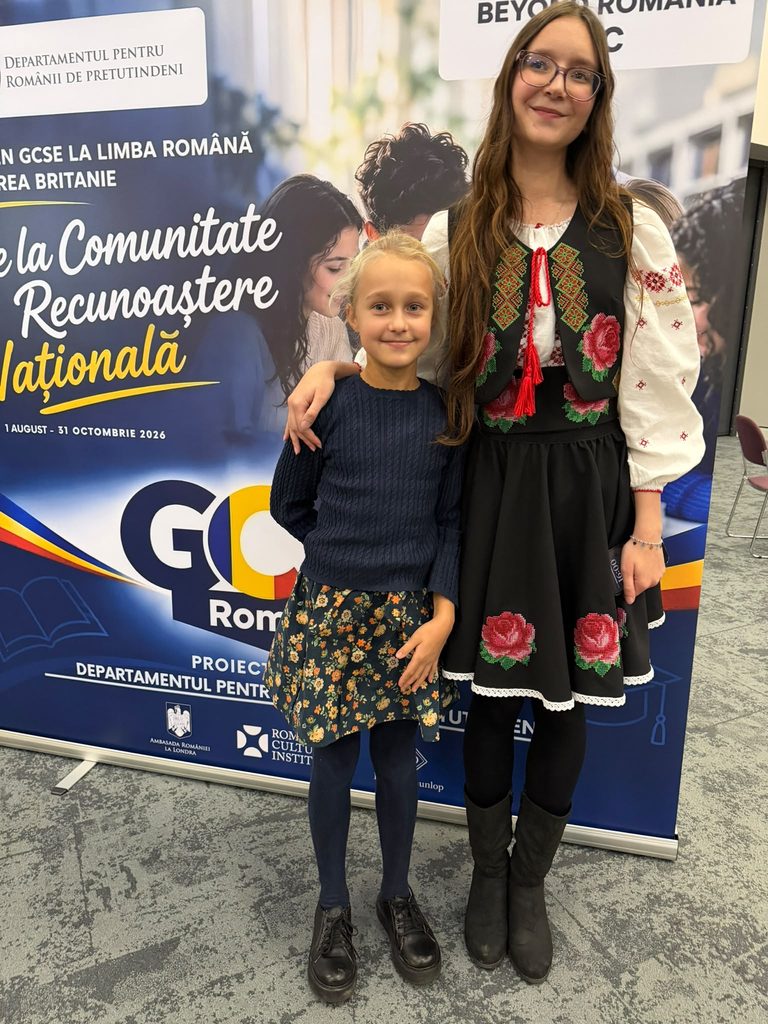
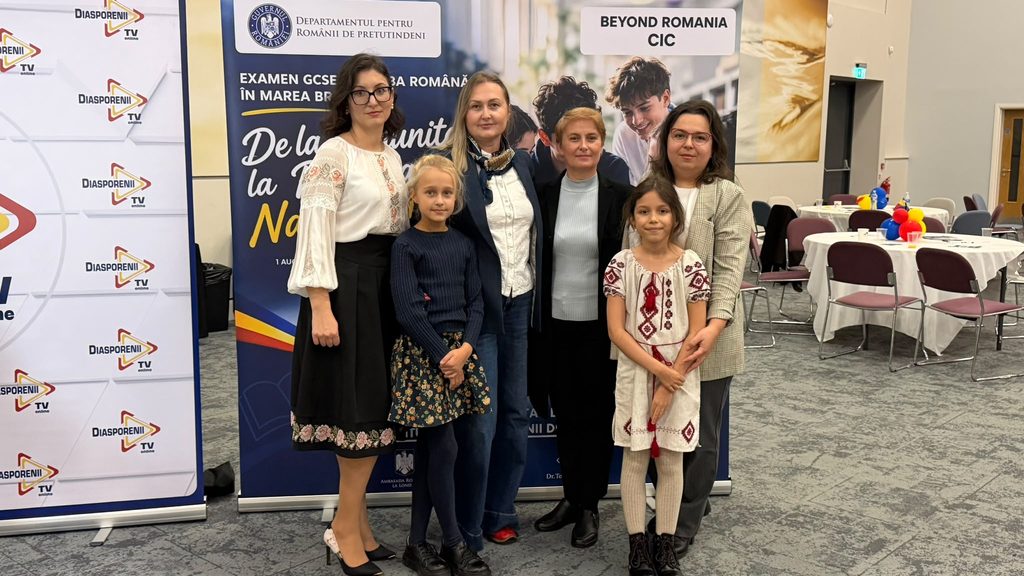
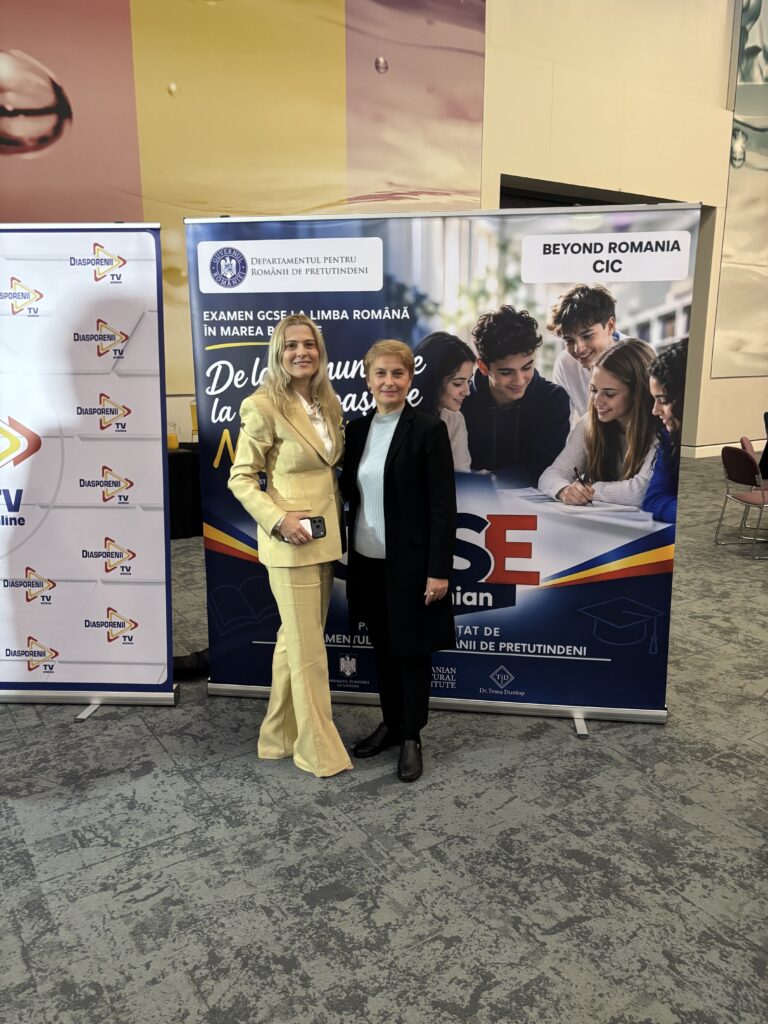
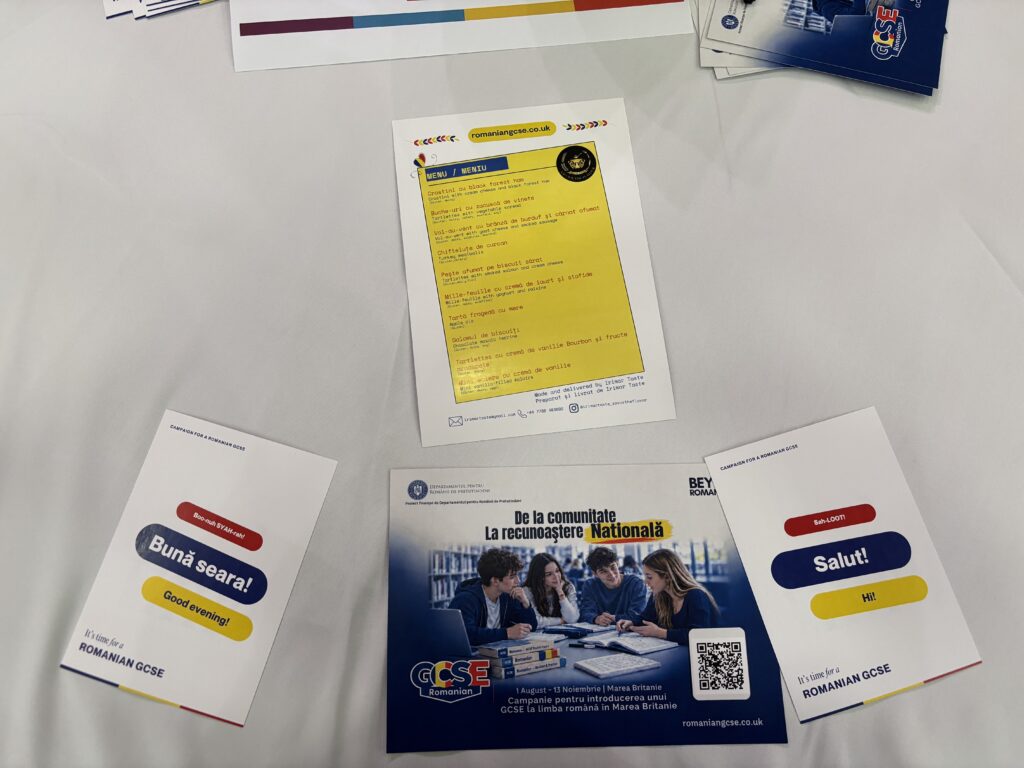
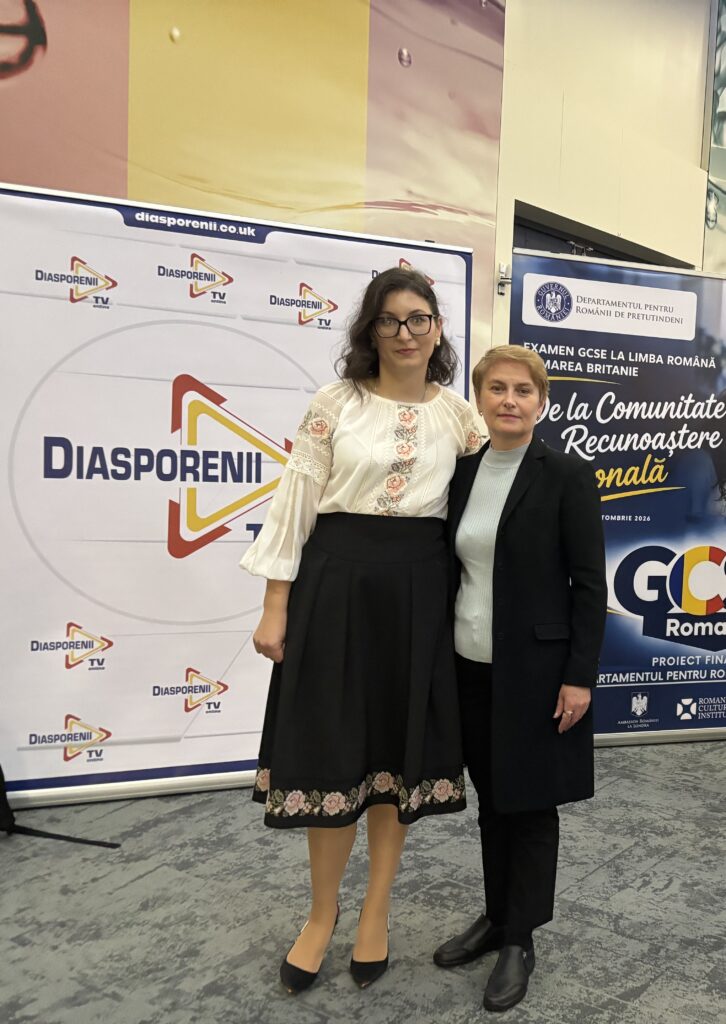
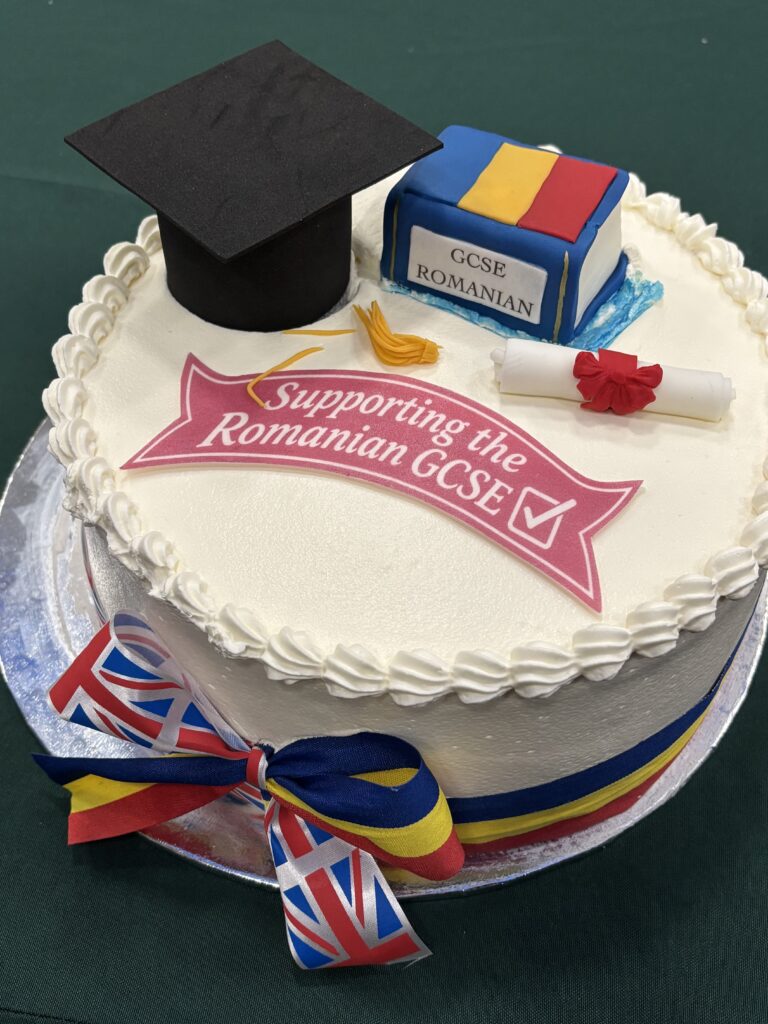
On 6 November 2026, I attended the Celebrate Identity event at the Bridge Community Church Conference Centre in Leeds. Beyond Romania CIC and Dr Tessa Dunlop organised the gathering to support the campaign for a Romanian-language GCSE.

At the request of the Embassy of the Republic of Moldova in the United Kingdom, I attended on behalf of the Embassy and represented His Excellency Ruslan Bolbocean, Ambassador of the Republic of Moldova to the United Kingdom.
Leeds sits outside my consular district. However, the engagement demonstrates the flexibility and practical value of honorary consuls.
Embassies cannot attend every civic, educational or commercial event across the country. Honorary consuls can extend diplomatic reach by providing trusted regional representation when formally requested.
The evidence demands attention
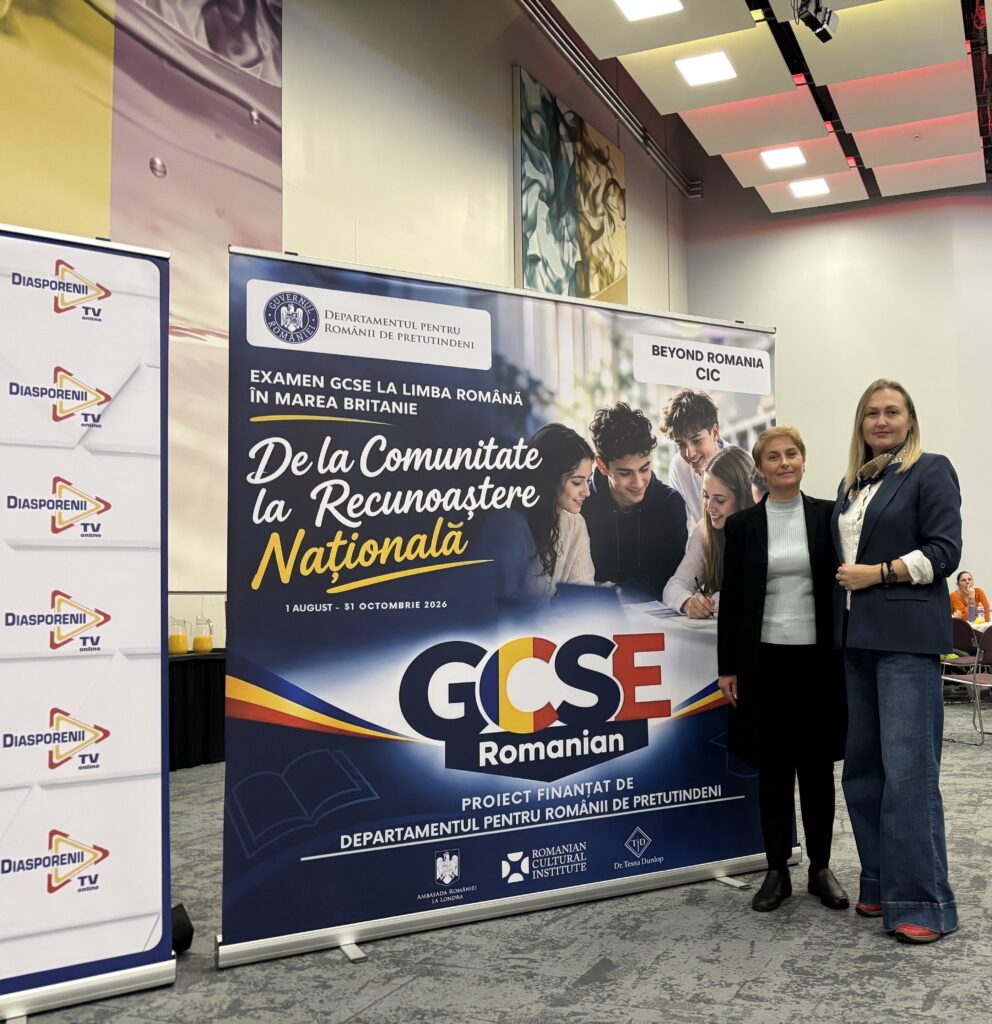
Romanian is not a marginal language in Britain.
Census 2021 recorded 471,954 people who named Romanian as their main language in England and Wales. It also counted 539,000 Romanian-born residents. Office for National Statistics
Home Office data analysed by the campaign show more than 1.4 million grants of settled or pre-settled status to Romanian nationals by June 2026. That figure does not represent a direct count of current residents, because applications can include repeat cases and some people may have left the country. Nevertheless, it illustrates the community’s national scale.
More importantly, England’s schools recorded 98,210 pupils with Romanian as their first language in January 2026. Among them, 5,316 were already in Year 11. Every compulsory school year included more than 5,000 Romanian-speaking pupils.
Nineteen modern languages have a GCSE qualification. Romanian does not.
Therefore, the issue goes beyond cultural preservation. It concerns educational opportunity, skills recognition and fairness.
Children made the strongest case
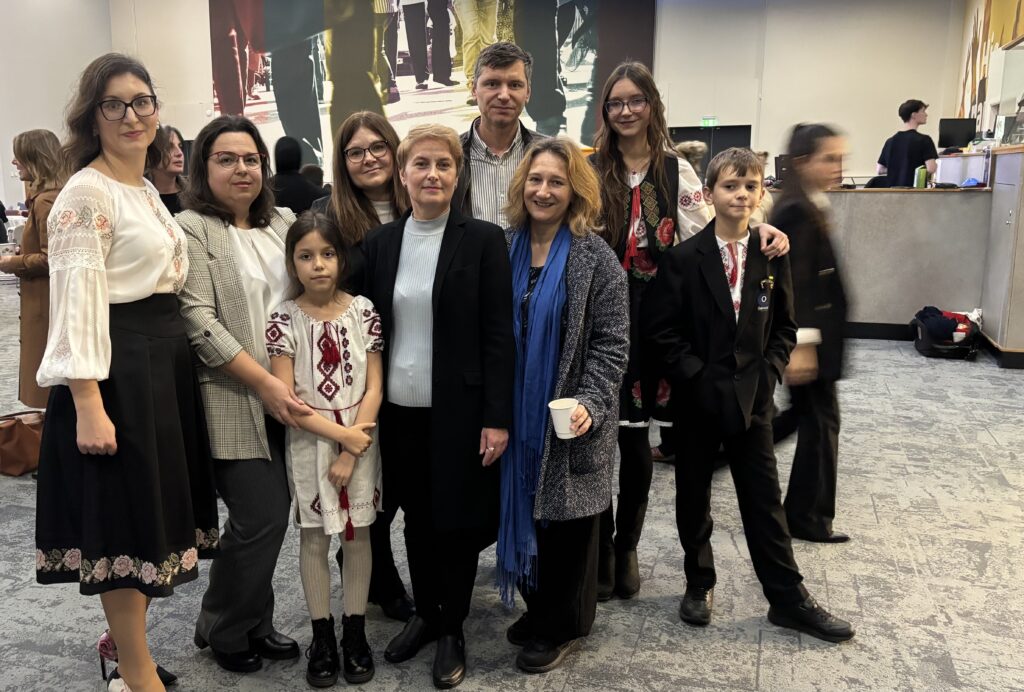
Young people stood at the centre of the Leeds event.
Loredana and Damian Zelenco performed at the event, singing “Cît trăim pe acest pămînt “, “ Once Upon A December “and reciting poetry – the poem “În limba ta “ by the Moldovan poet Grigore Vieru in Romanian. They were the only children of Moldovan heritage who performed.
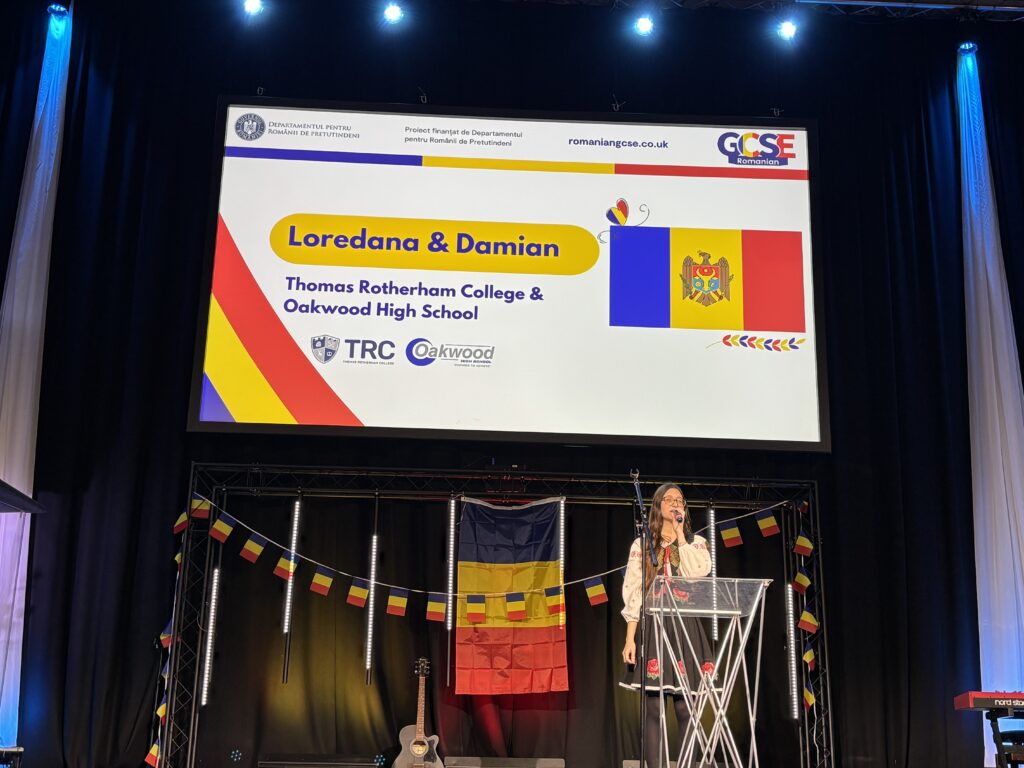
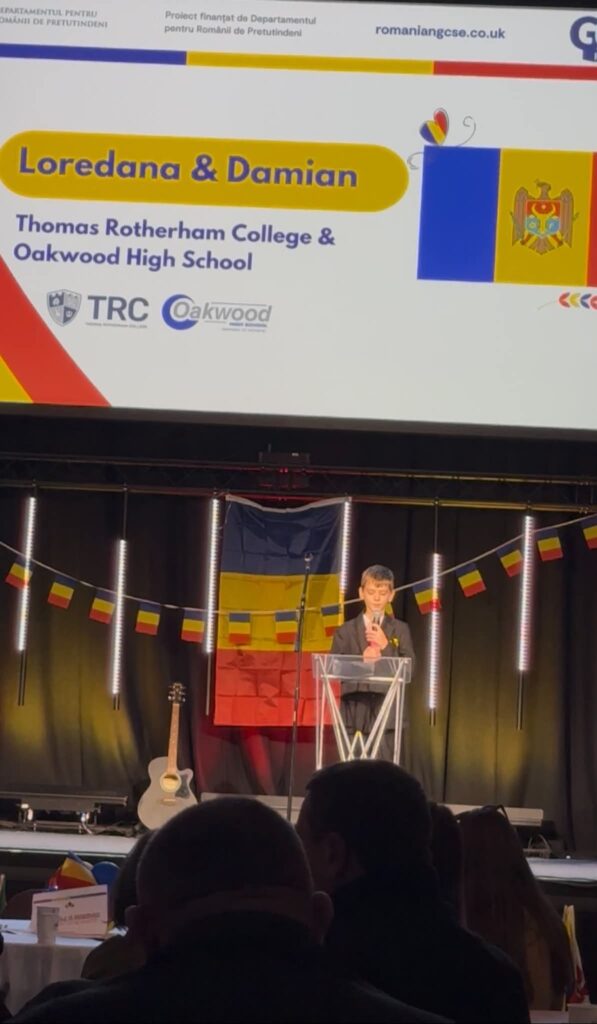
Their participation carried a simple message. A language used confidently at home, in public and through culture deserves a recognised place within education.
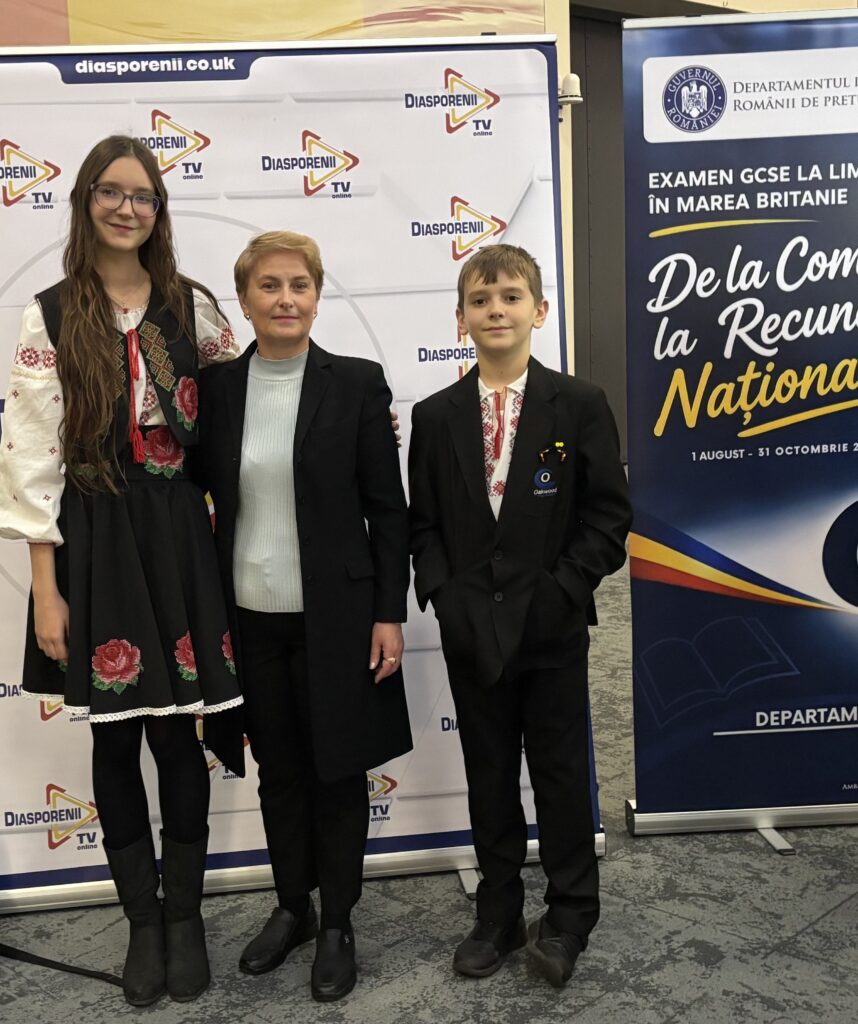
Other Moldovan Diaspora representatives included:
- Olesea Tudosan and her family
- Irina Yanioglova and her family
- Inna Platniuc and her family
- Veronica Zelenco and her family
Olesea Tudosan has contributed greatly to the Romanian GCSE campaign. Meanwhile, the participation of these families showed that the issue matters to Romanian-speaking citizens from both Moldova and Romania.
Nicoleta Teodorovici, Consul General of Romania in Manchester, represented Romania at the event. Joint diplomatic attendance demonstrated that both countries treat this educational cause seriously.
Mark Sewards, MP for Leeds South West and Morley and a member of the Education Committee, also attended. His presence confirmed that the campaign has entered a wider public-policy conversation.
Language is an economic asset
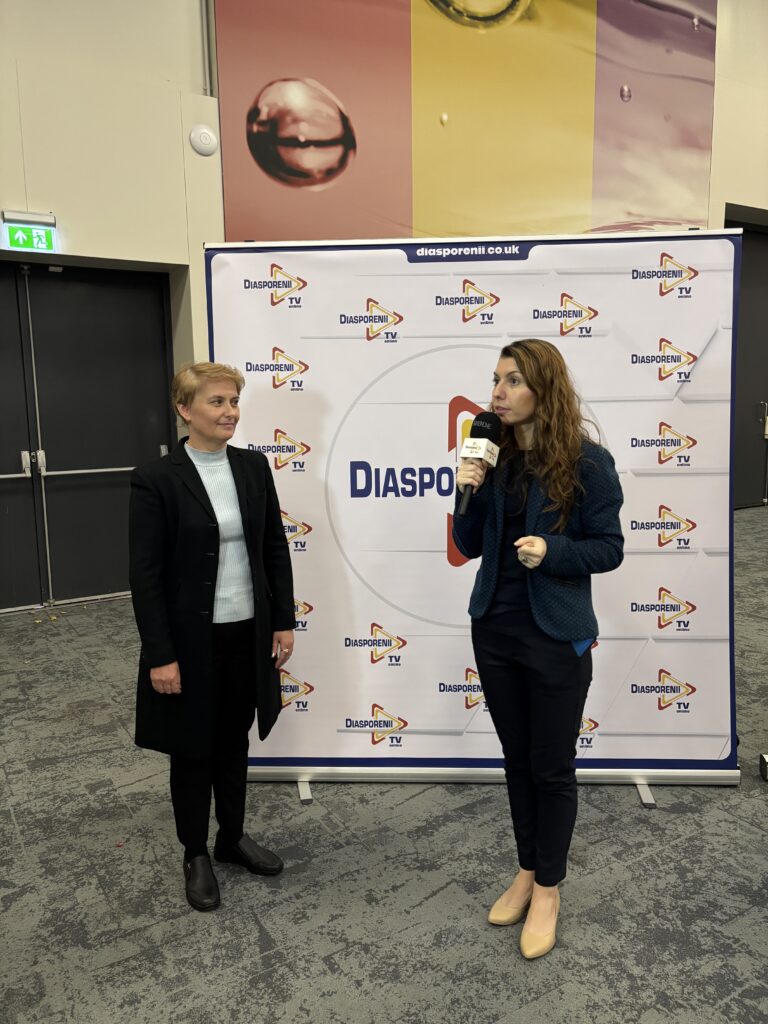
I gave an interview to a television broadcaster present at the event.
My message reflected an argument I have made consistently: Romanian language learning can strengthen identity while creating educational and professional value.
Research does not support a simple promise that every bilingual person will automatically earn more. Yet OECD evidence associates multilingualism with stronger employability and higher wages. Language proficiency can signal adaptability, cultural awareness and communication ability. OECD
An EU study also found that foreign-language skills provide a competitive advantage to companies and jobseekers across different sectors and roles. Publications Office of the EU
Formal recognition could therefore help pupils convert an existing skill into a visible qualification.
Employers in international trade, law, finance, insurance, logistics, aviation, education and professional services all need people who can work across languages and cultures.
Moreover, Romanian skills can support commercial and institutional links among the United Kingdom, Moldova, Romania and the wider European market.
Why business should care
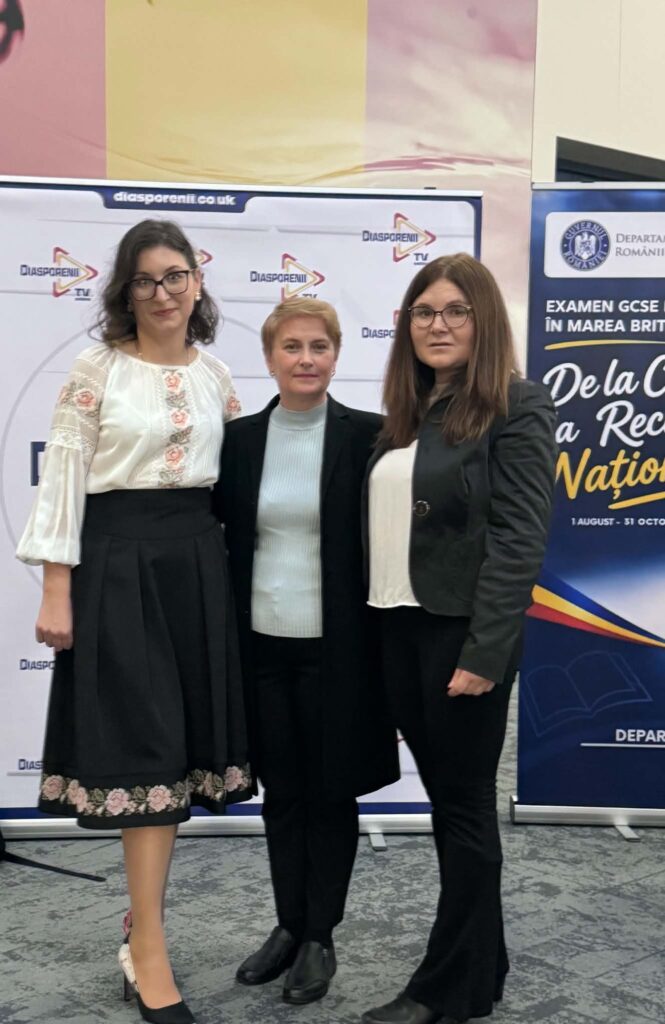
As Honorary Consul, CEO of Express Language Solutions Ltd, CEO of MDBA and Salford President of Greater Manchester Chamber of Commerce, I see language from several perspectives.
Businesses entering Moldova need more than translated documents. They require cultural understanding, trusted communication and professionals who can move confidently between markets.
Universities can use Romanian-language capability to develop research, student exchanges and regional expertise.
Airports and logistics firms benefit when communities remain connected through trade, travel and family links.
International investors also value workforces that understand different legal, commercial and cultural environments.
Furthermore, Moldova’s European integration will increase demand for multilingual professionals who can support regulatory alignment, investment and cross-border partnerships.
Looking ahead, Romanian and regional expertise may also help suitable British companies prepare for opportunities connected with Ukraine’s reconstruction.
What must happen next
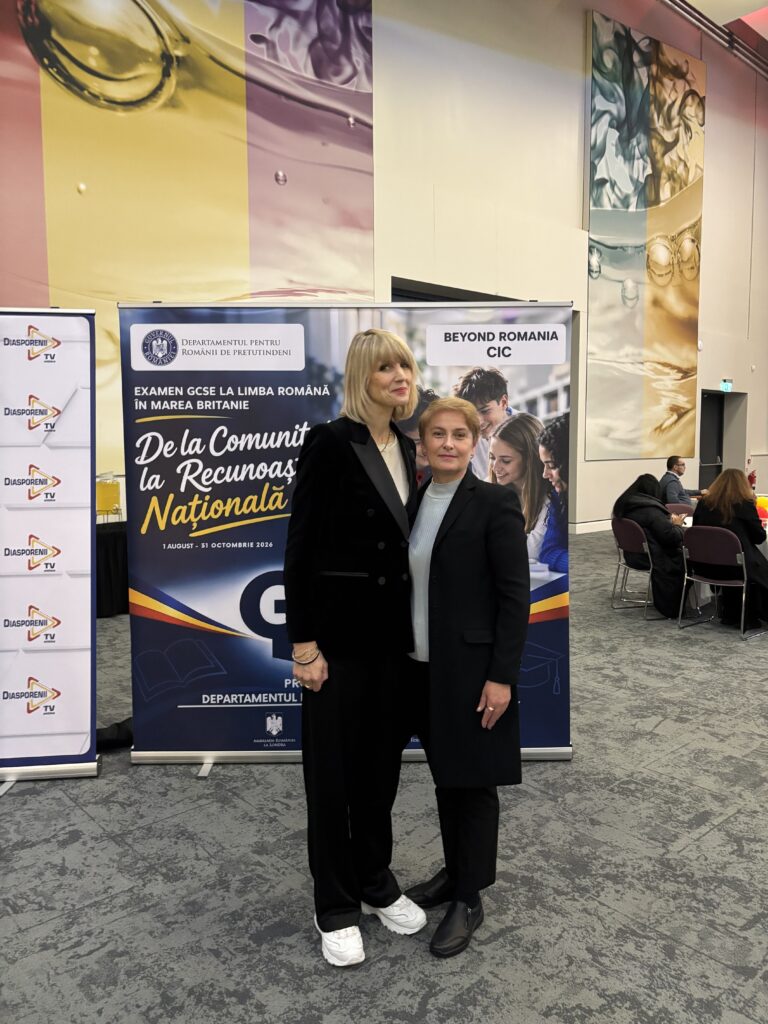
The earlier parliamentary petition closed on 19 August 2026. It secured 3,679 signatures but did not reach the threshold for a government response. Consequently, the campaign must now build direct support among MPs, education leaders, schools, employers, universities and awarding organisations.
Readers can write to their local MPs and request:
- Government engagement with an awarding organisation
- A formal assessment of national demand
- A practical route for schools and private candidates
- Investment in teacher and examiner capacity
- Recognition of pupils’ existing Romanian-language skills
Schools, universities, chambers of commerce and employers should also explain why Romanian matters to Britain’s education system and economy.
A Romanian GCSE would not grant marks merely for speaking the language at home. Pupils would still need structured study and rigorous assessment. Recognition, however, would give them the same opportunity already available in other community languages.
Britain should not leave a valuable national skill invisible.
Suggested letter to an MP
Dear [MP’s name],
I am writing to ask you to support the introduction of a Romanian-language GCSE.
England’s schools recorded 98,210 pupils with Romanian as their first language in January 2026, including 5,316 pupils in Year 11. However, Romanian remains unavailable as a GCSE, despite qualifications existing in 19 modern languages.
Please encourage the Department for Education to engage with Ofqual, awarding organisations, schools and community representatives to assess demand and establish a practical route towards this qualification.
Recognising Romanian would support educational opportunity, bilingual skills, cultural confidence and Britain’s international workforce.
Yours sincerely,
[Name]
[Postcode]
With thanks to our sponsors
This blog has been sponsored by Express Language Solutions Ltd and Moldovan Diaspora Business Alliance Ltd. I thank ELS and MDBA for their continued support.
ELS helps organisations communicate across languages and cultures through interpreting, translation of documents, including certified translation of personal documents, transcription and cultural consultancy.
MDBA promotes bilateral trade between the United Kingdom and Moldova. It helps companies build relationships, understand opportunities and develop informed routes into new markets.
Businesses, universities and professional organisations that share this commitment are invited to sponsor future blogs and newsletters. Sponsorship offers a credible way to support informed dialogue while reaching readers interested in diplomacy, trade and international cooperation.
Please contact RM.Honorary.Consul@gmail.com to discuss sponsorship.
About the Author
Dina Railean is the Chief Executive Officer of Express Language Solutions Ltd, Salford President of the Greater Manchester Chamber of Commerce, Honorary Consul of the Republic of Moldova in Manchester, Chair and Chief Executive Officer of the Moldovan Diaspora Business Alliance, and a Council Member of The Insurance Institute of Manchester.
Through her work across business, diplomacy and professional leadership, she writes about international trade, foreign direct investment, cross-cultural communication, leadership and the strategies that help organisations build trust and succeed across borders.