Representation carries a civic responsibility
Diplomacy does not take place only in embassies, boardrooms or trade fora.
It also takes place when nations stand together in silence.
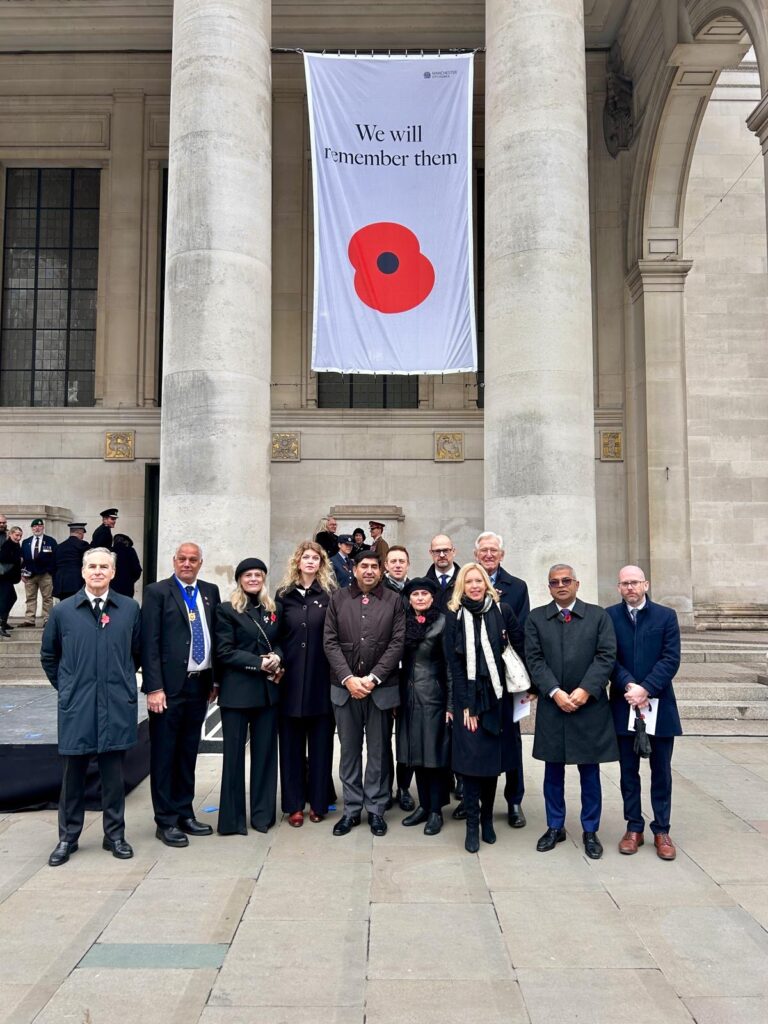
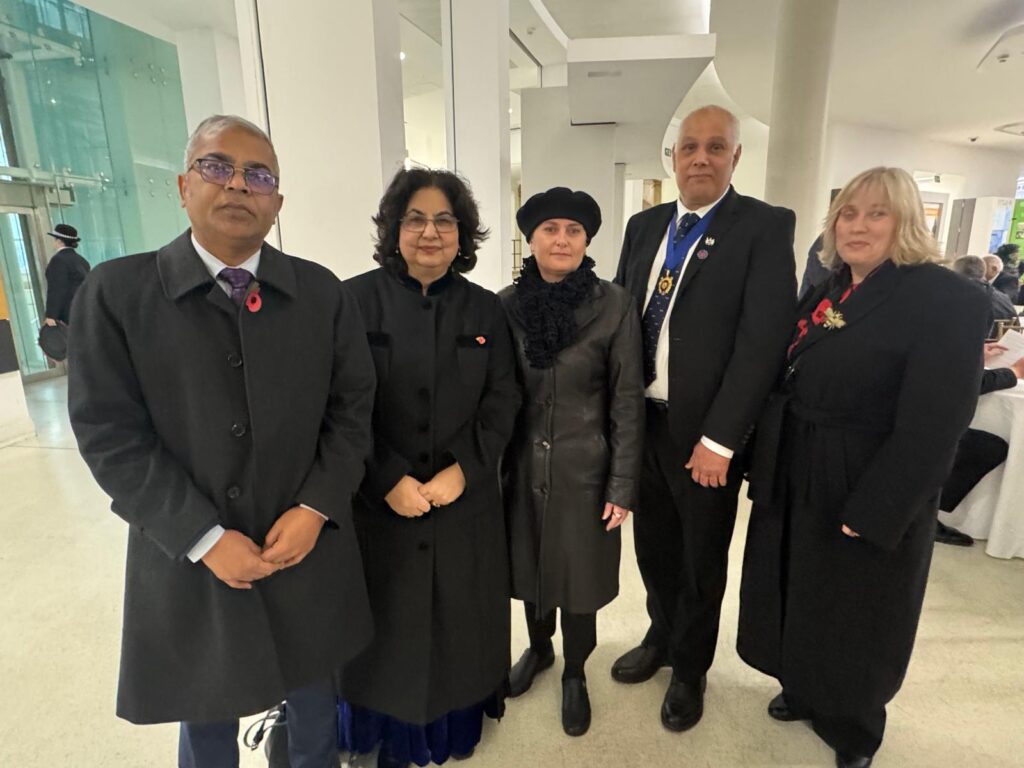
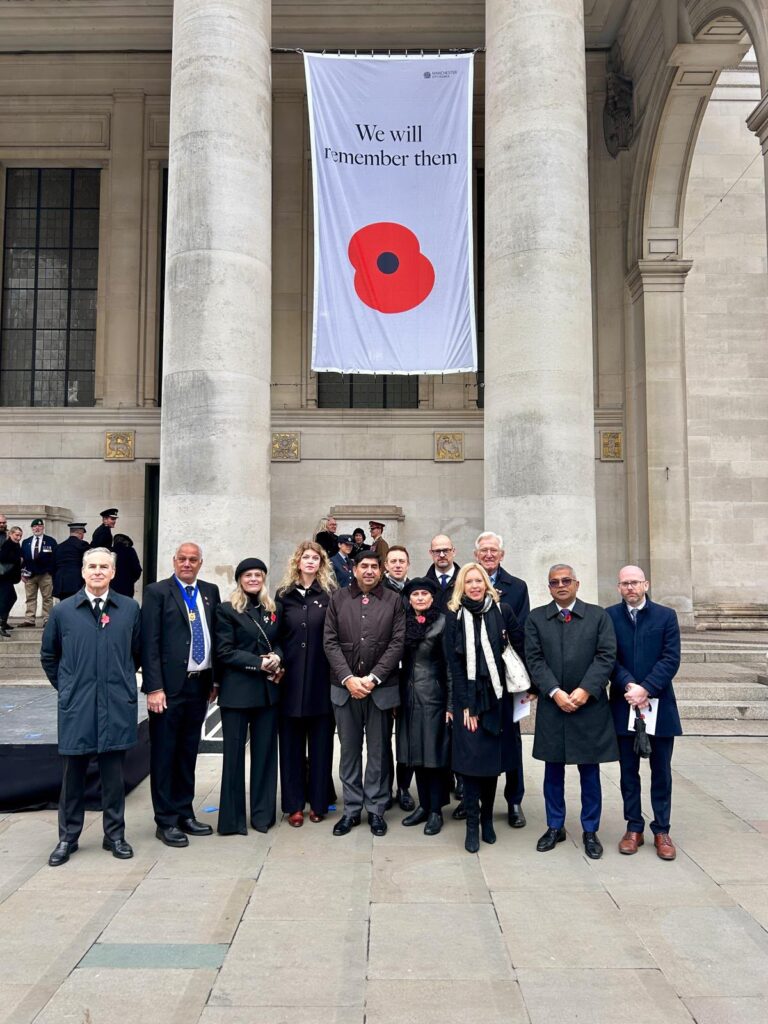
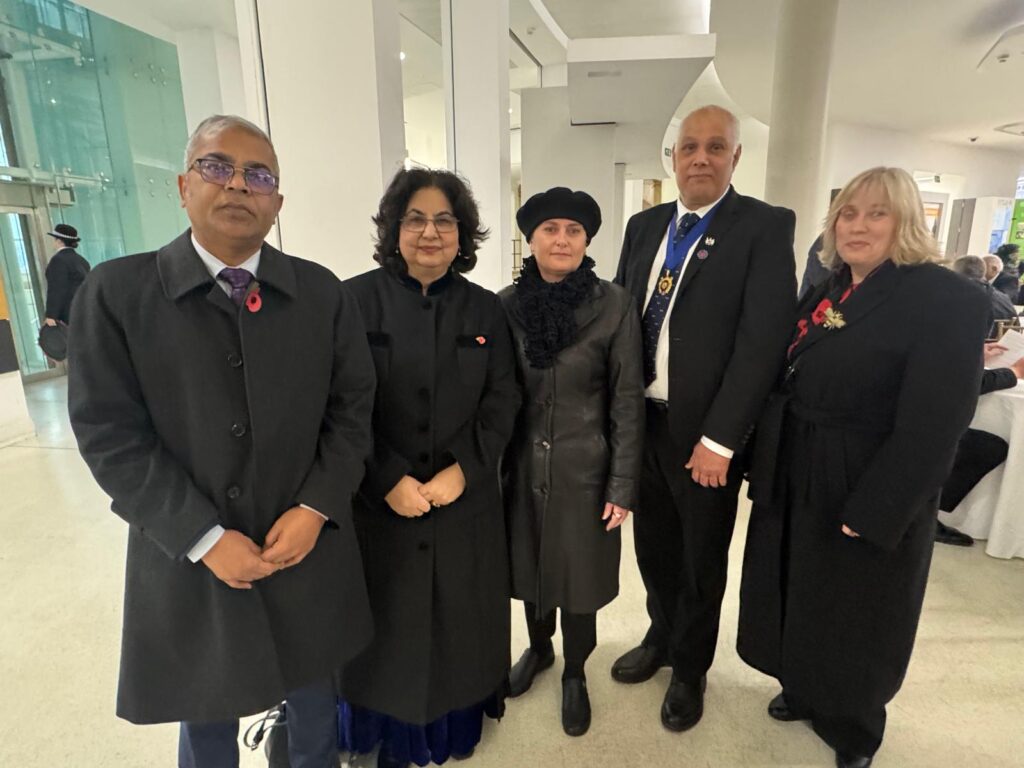
On 8 November 2026, I represented the Republic of Moldova at Manchester’s Remembrance Sunday Service. I attended as Honorary Consul of Moldova in Manchester and as a member of the Manchester Consular Association.
The Office of Councillor Shaukat Ali, Lord Mayor of Manchester, extended the invitation.
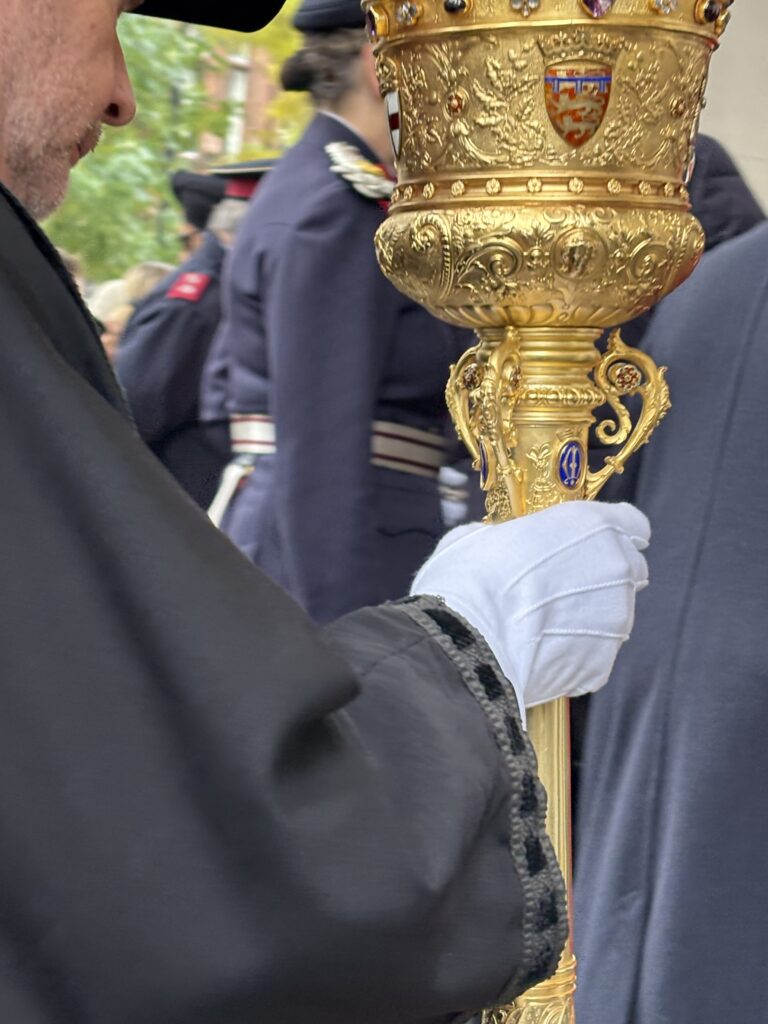
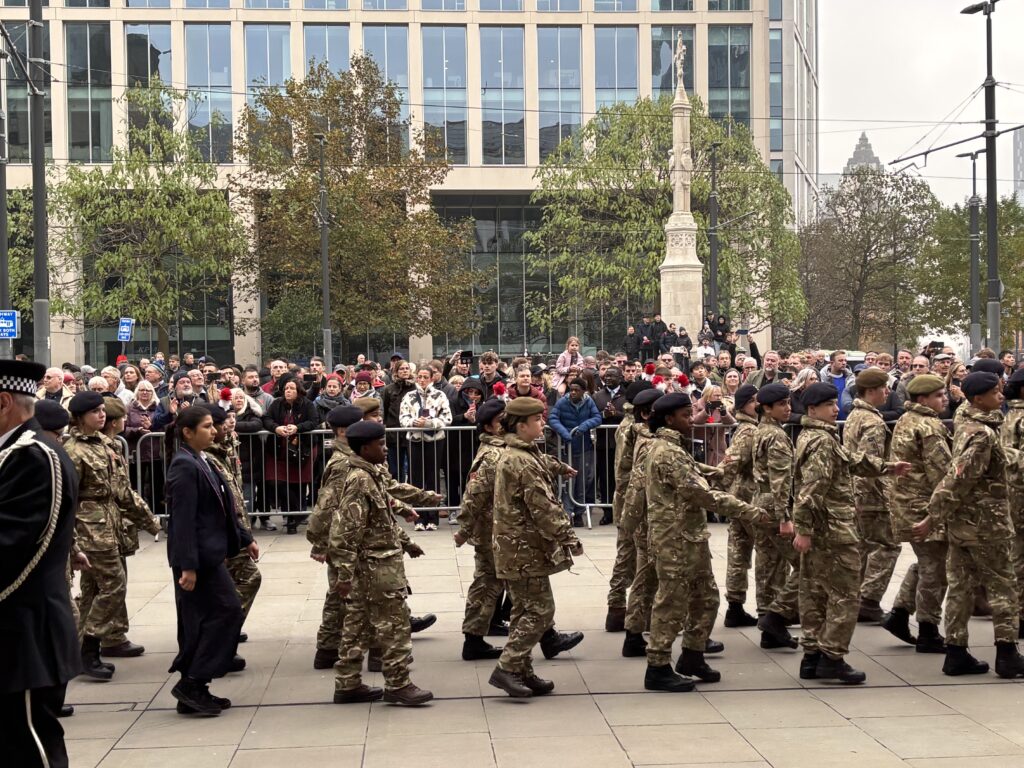
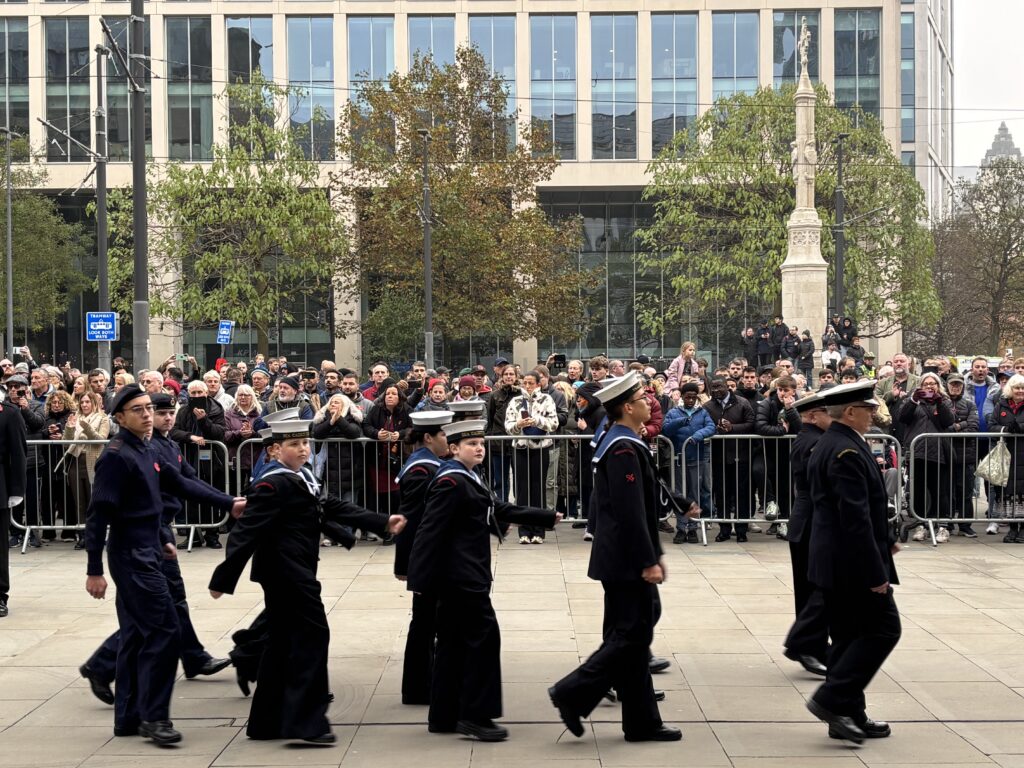
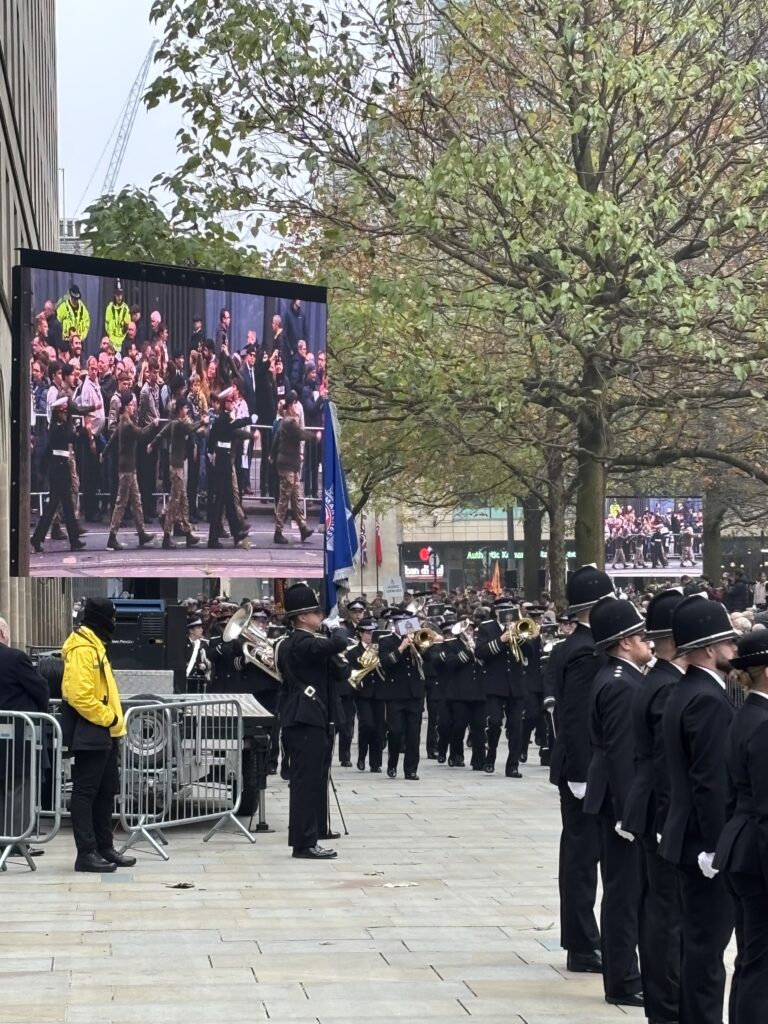
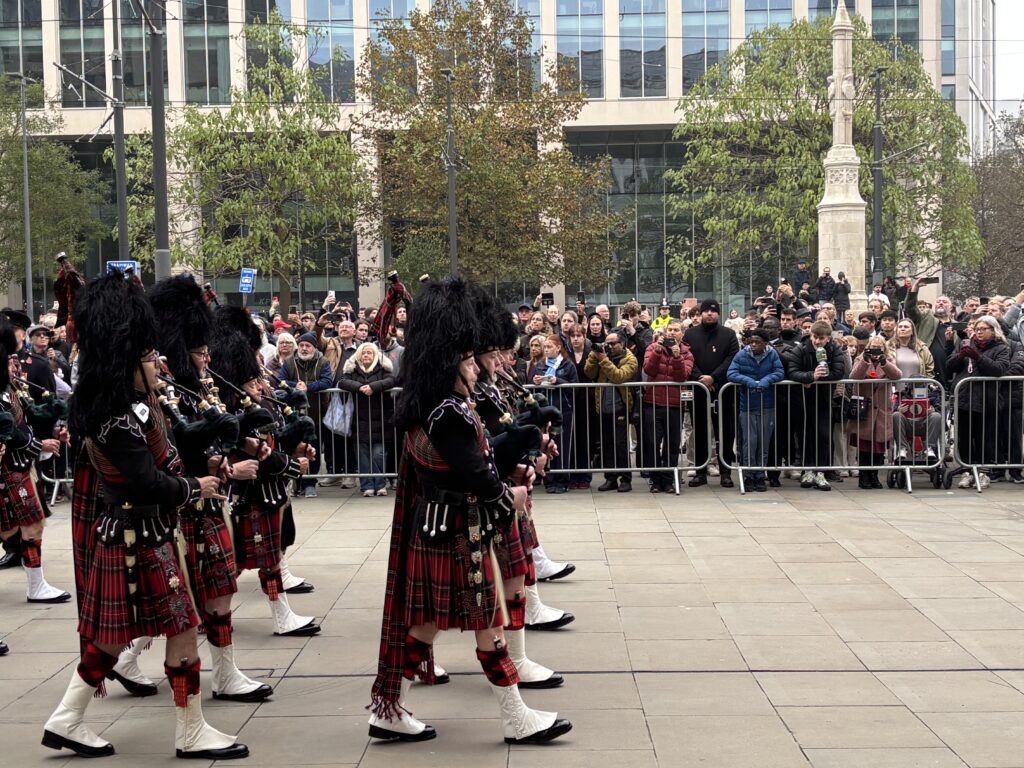
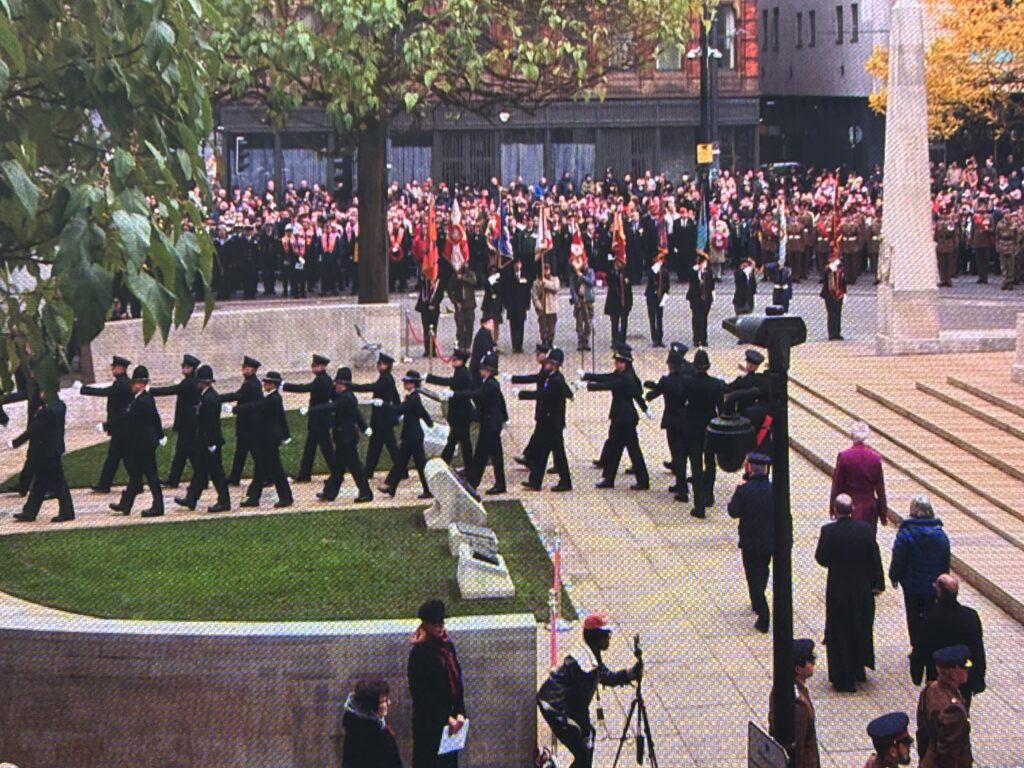
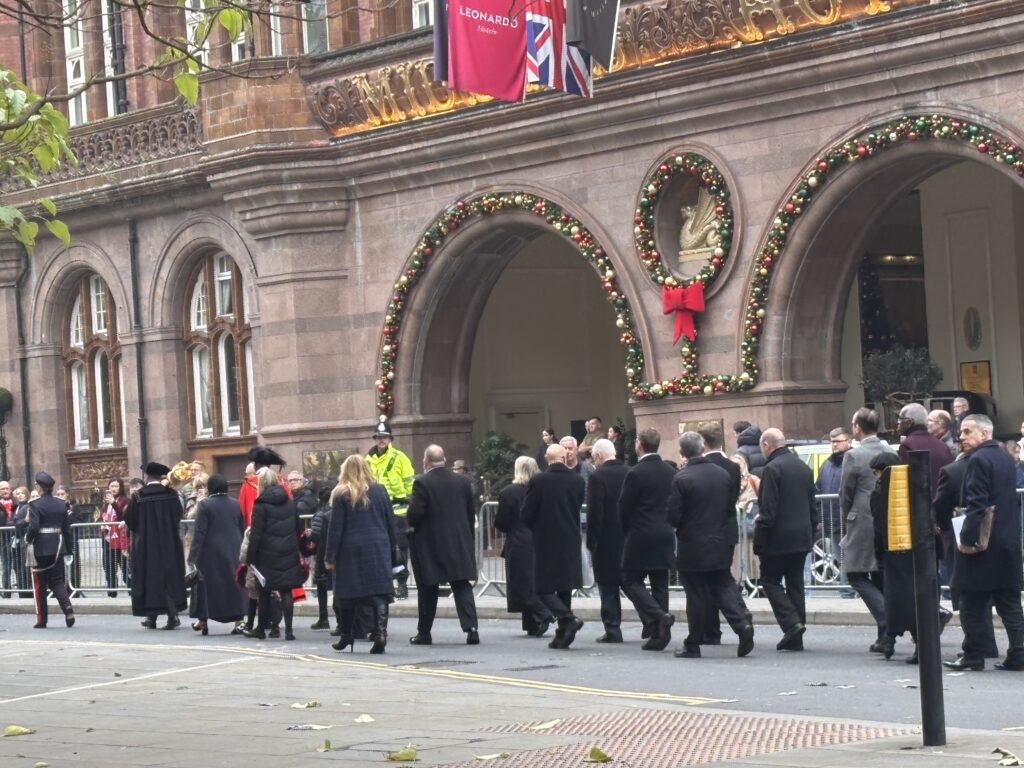
Alongside fellow consular representatives, I joined the civic procession from Mount Street to Manchester Cenotaph in St Peter’s Square.
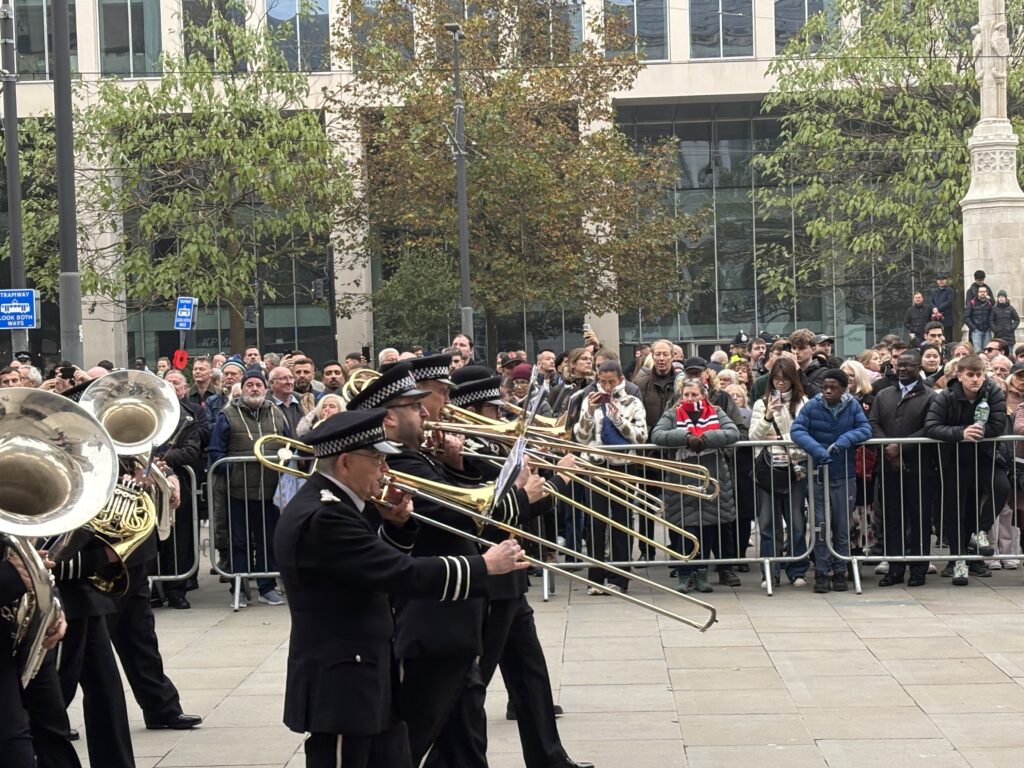
Manchester welcomed veterans, serving military personnel, cadets, civic leaders, diplomats and members of the public. Together, we honoured those who served and sacrificed in the two world wars and later conflicts.
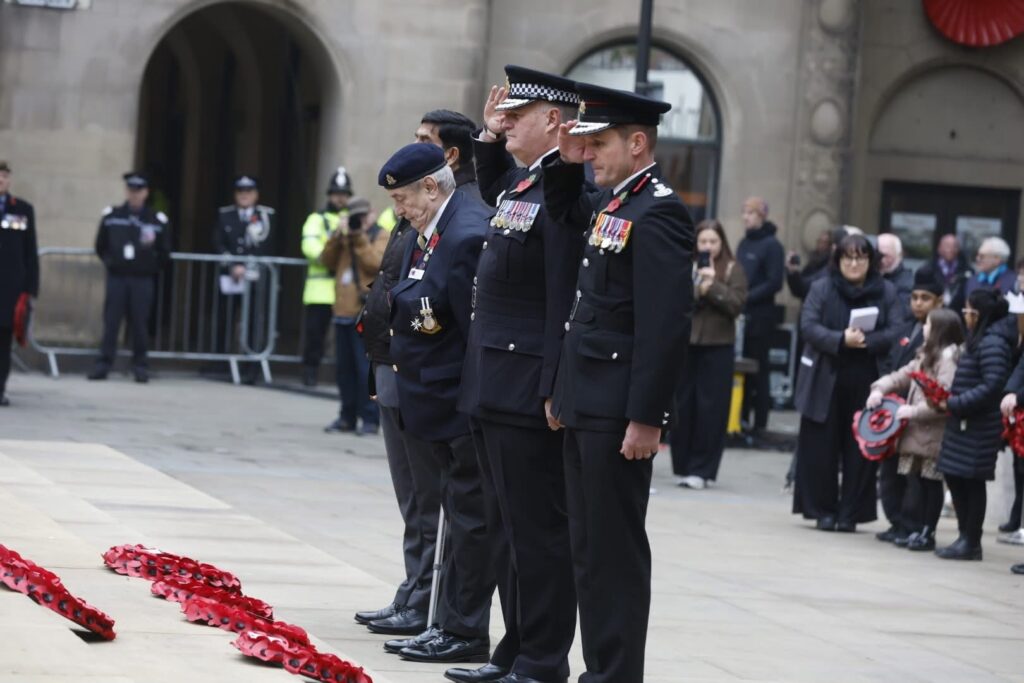
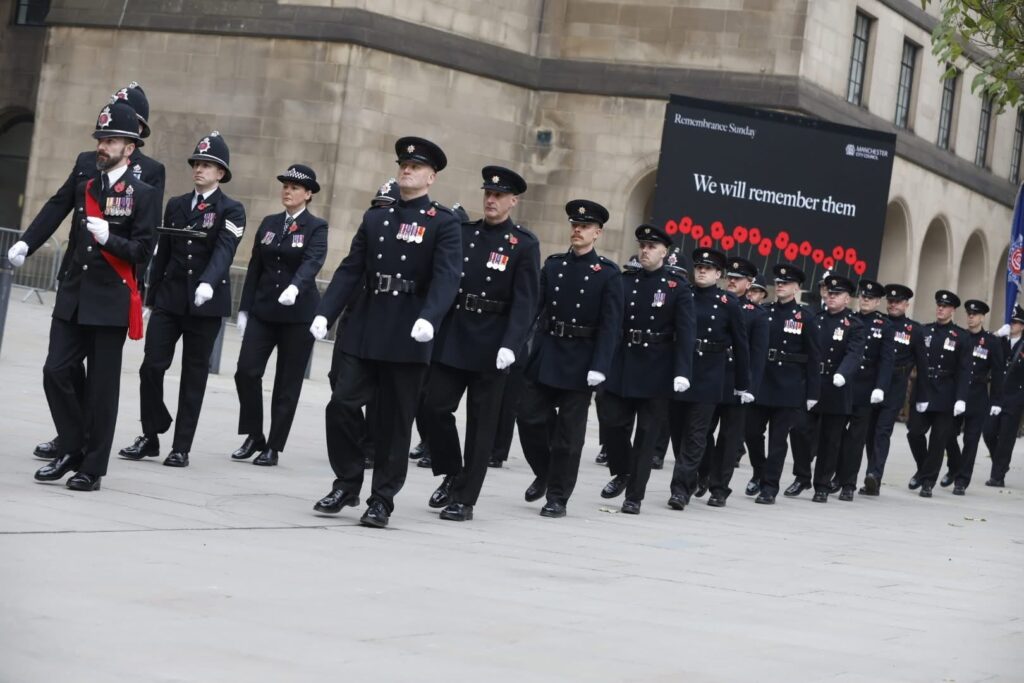
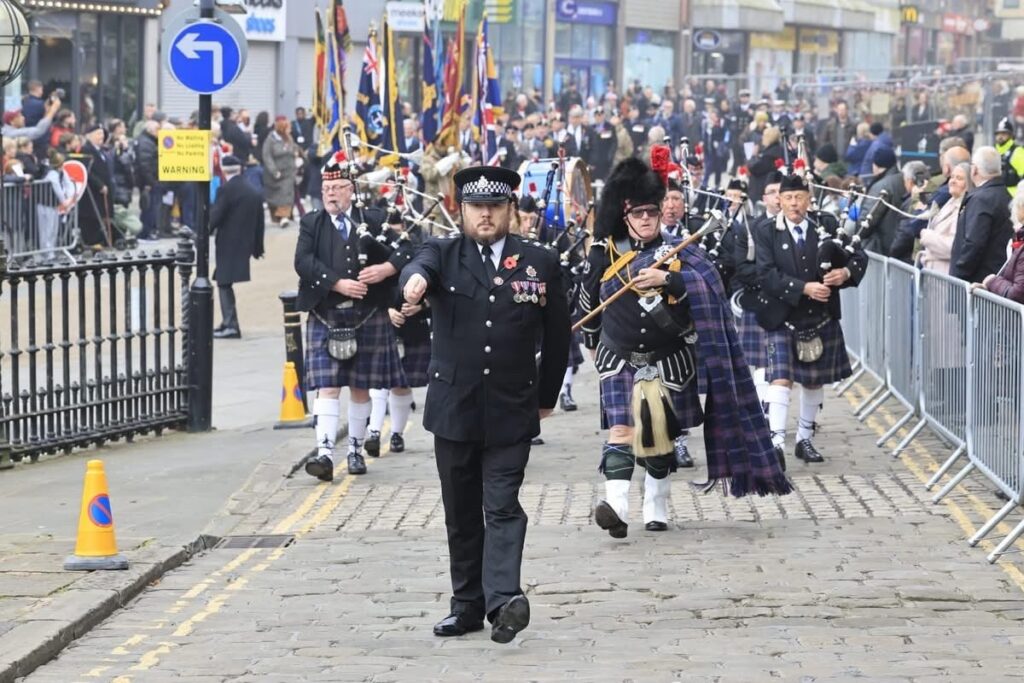
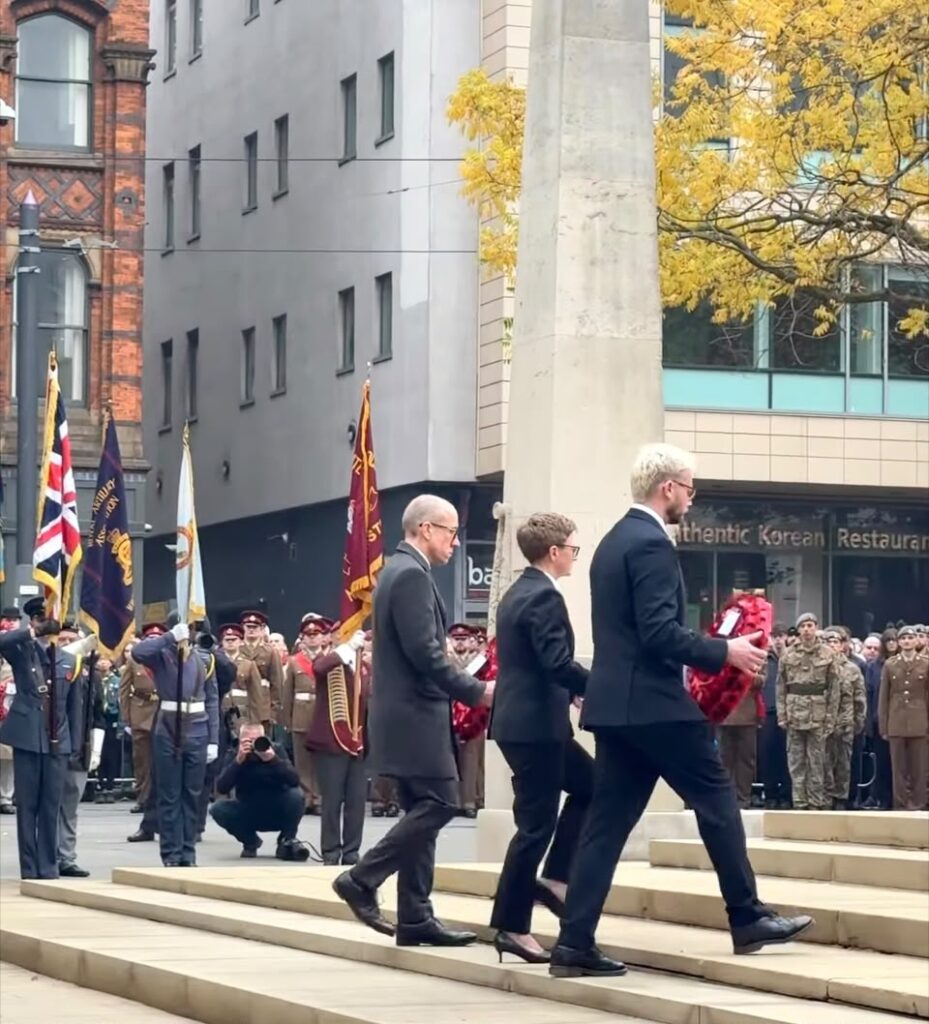
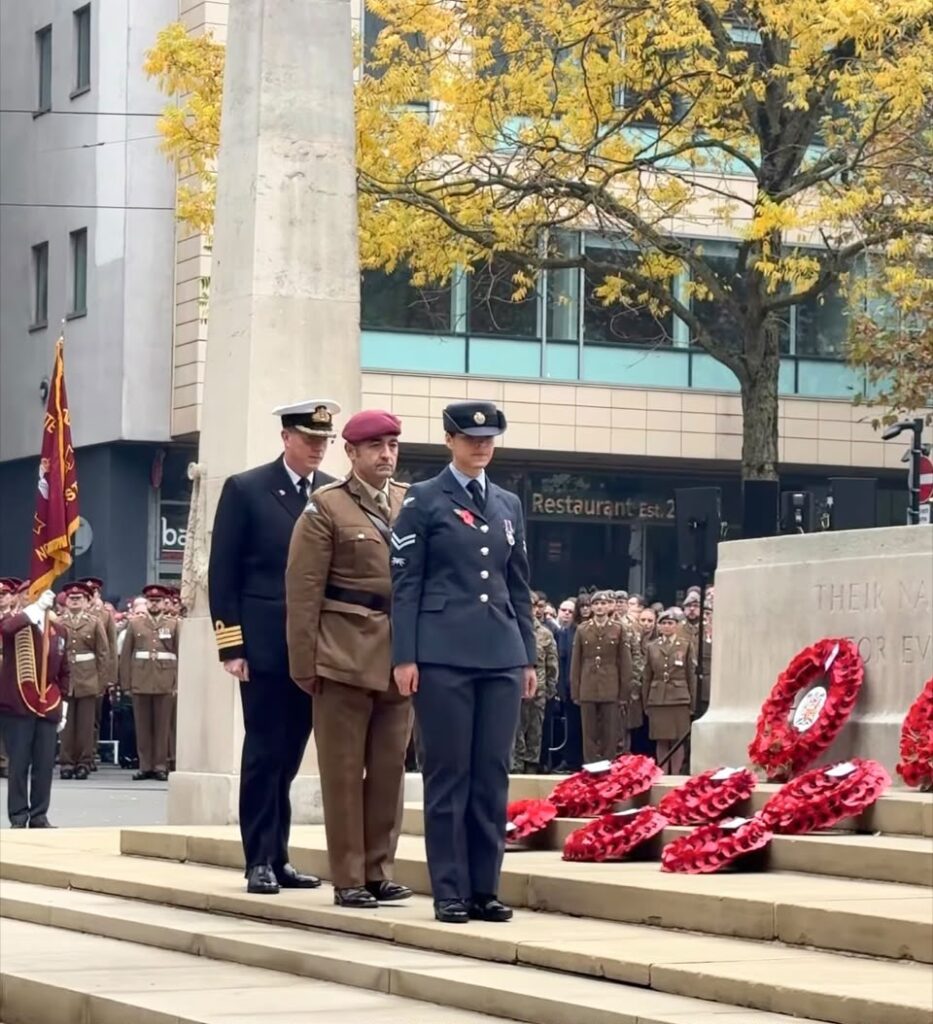
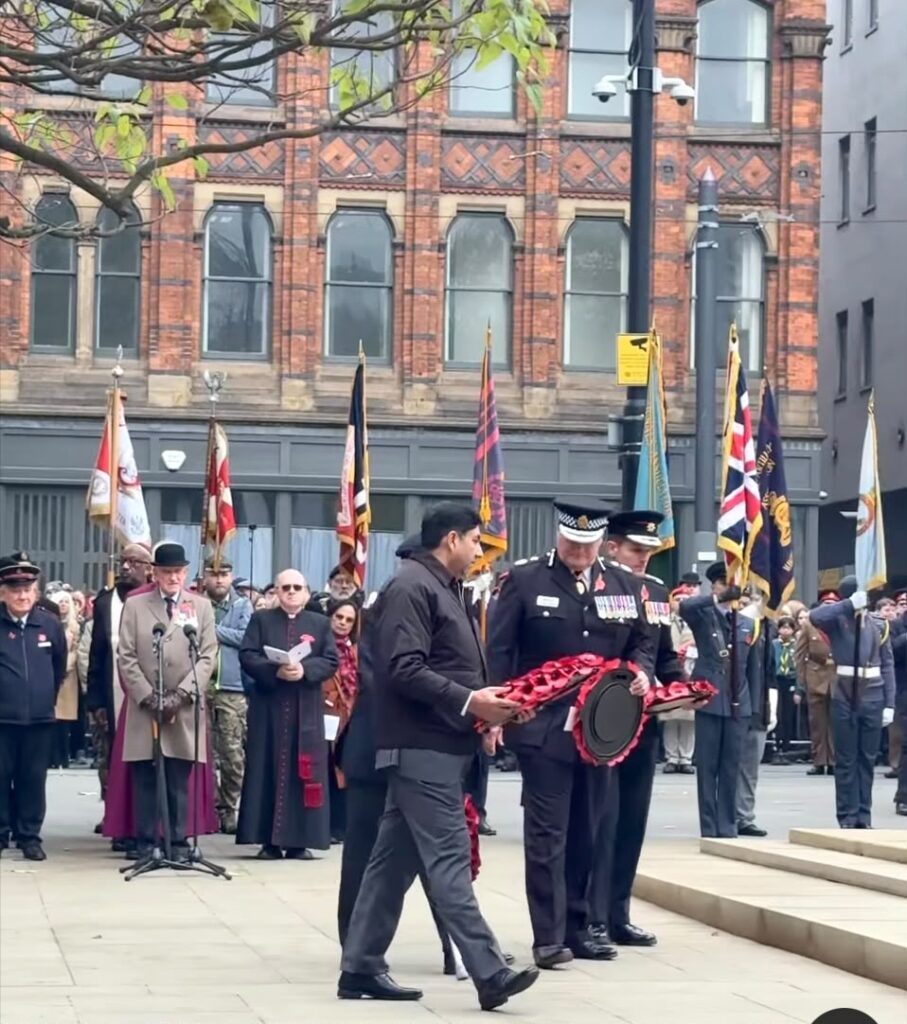
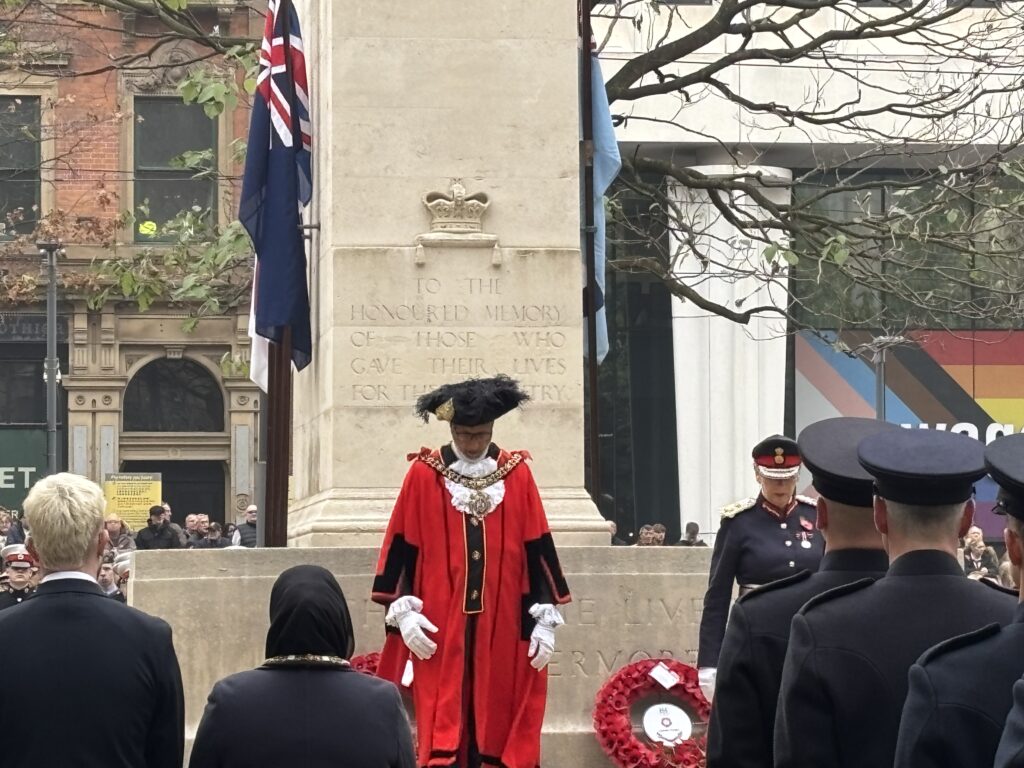
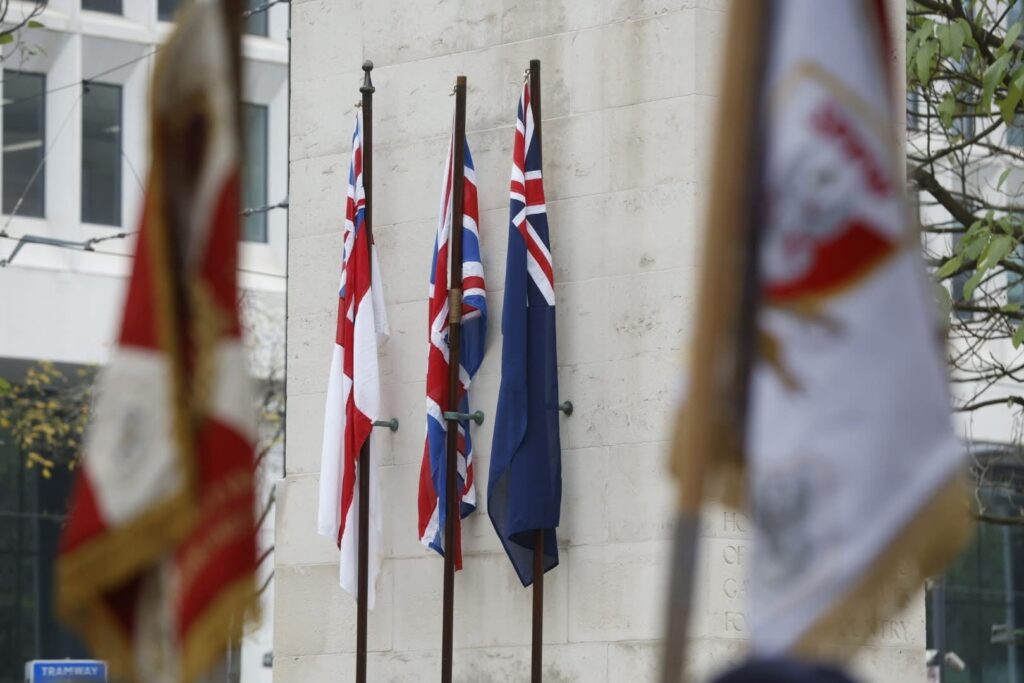
The Manchester Consular Association’s President laid a wreath on behalf of its members.
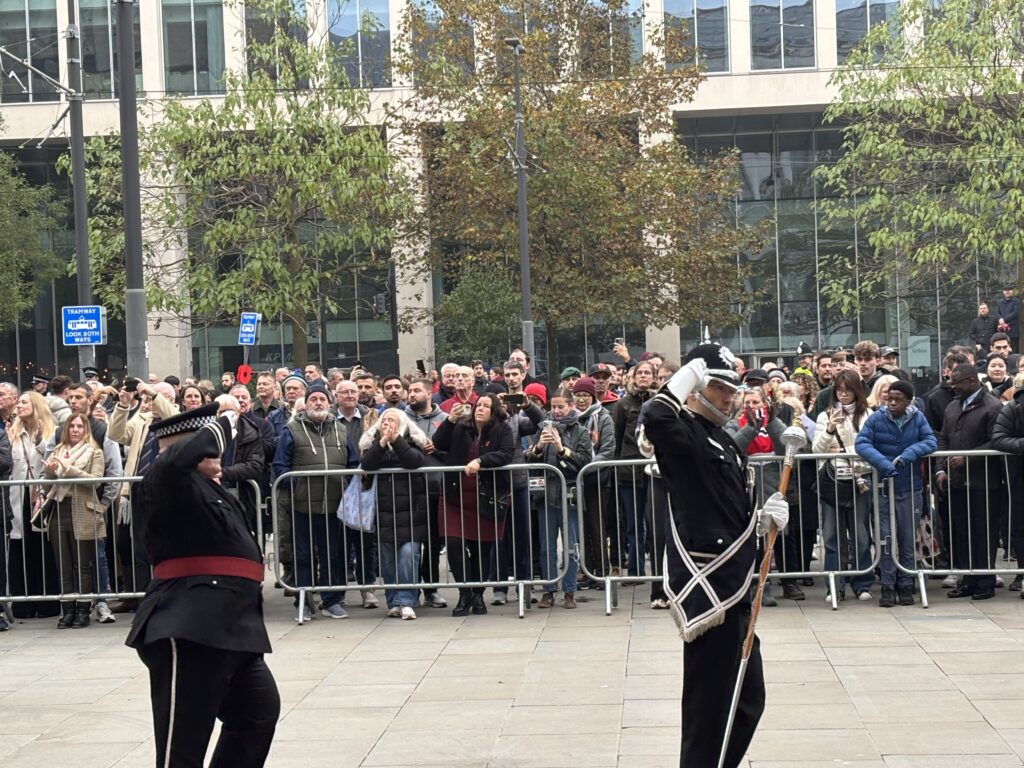
At 11am, the city observed a two-minute silence. That shared pause spoke more powerfully than many formal addresses.
Remembrance belongs to every community
Manchester’s strength comes from its people.
Residents have arrived from many countries, cultures and traditions. Yet they share responsibility for the civic life of the city they call home.
Remembrance Sunday offers a moment to recognise that belonging.
Councillor Shaukat Ali described the occasion as a time to honour the courage, service and sacrifice of people from Manchester’s diverse communities.
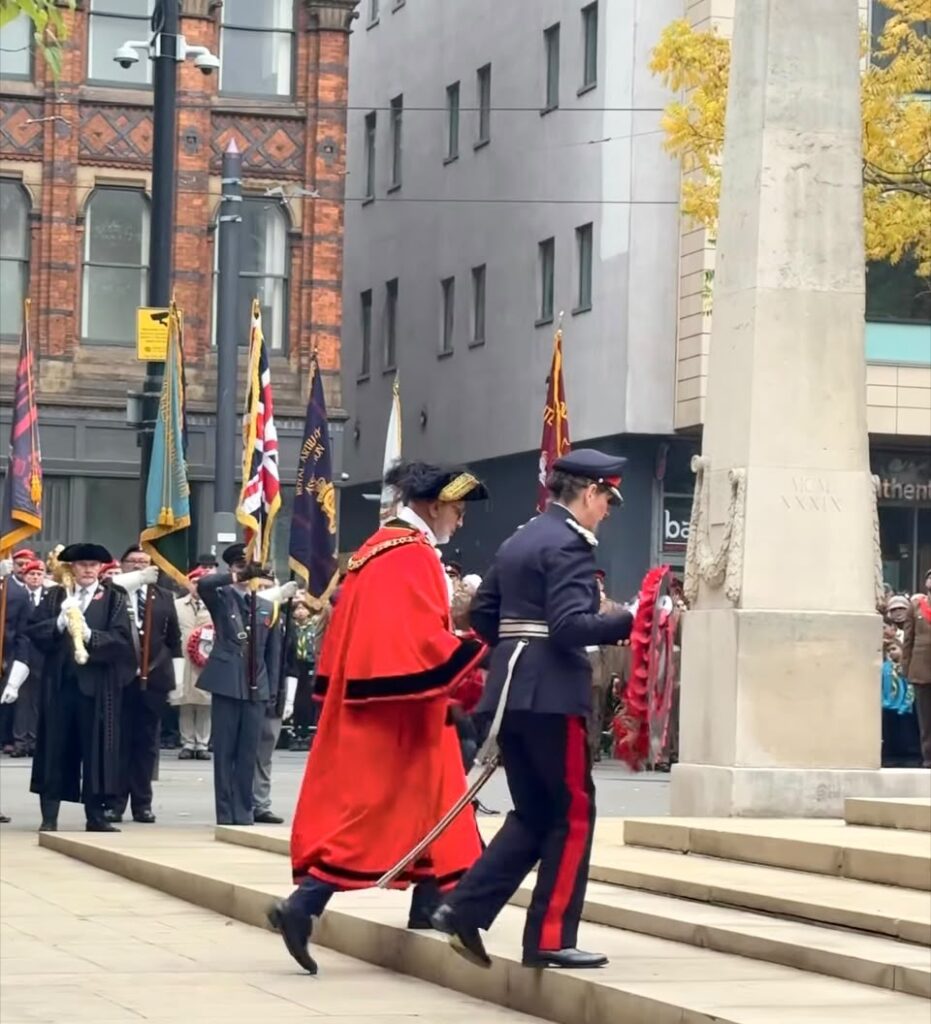
Therefore, international representation at the service carries meaning. By attending, consular representatives show respect for the history of the United Kingdom and solidarity with its Armed Forces community. They also recognise the contribution of Commonwealth and allied military and civilian personnel.
Moreover, such participation shows that diplomatic engagement involves responsibilities as well as opportunities. A representative promotes trade and culture. However, that person must also stand beside the host community during moments of reflection, grief and remembrance.
A personal moment of reflection
Several parts of the ceremony remained with me.
The civic procession showed Manchester’s public institutions acting together. Military personnel, veterans and cadets represented continuity between generations.
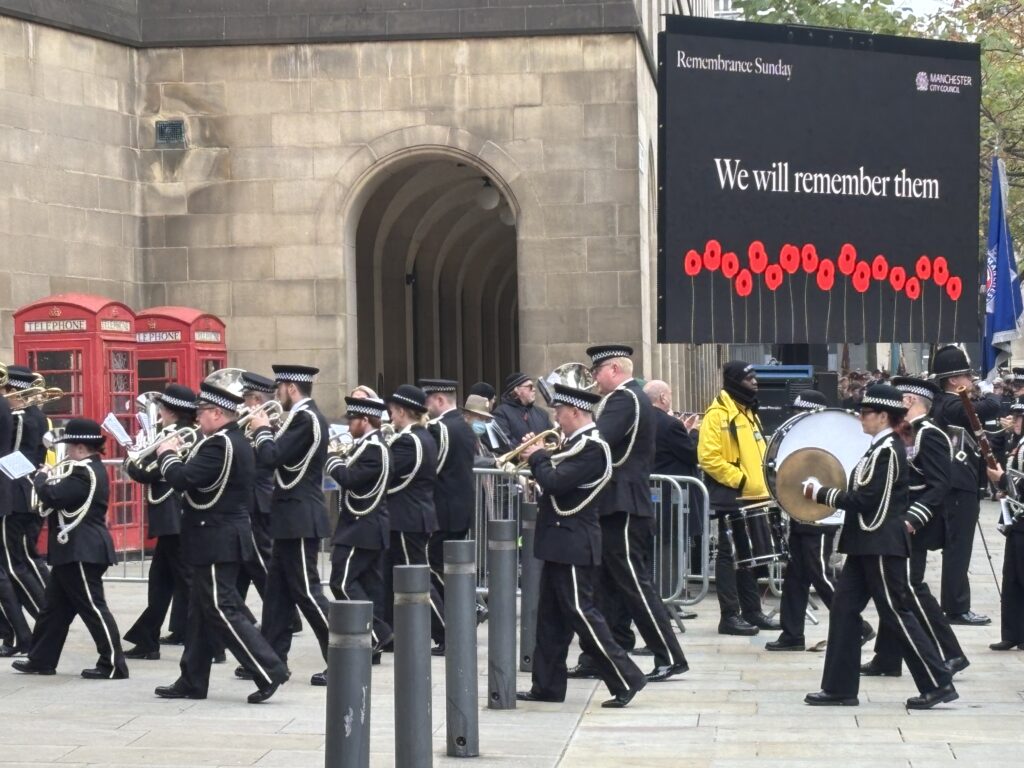
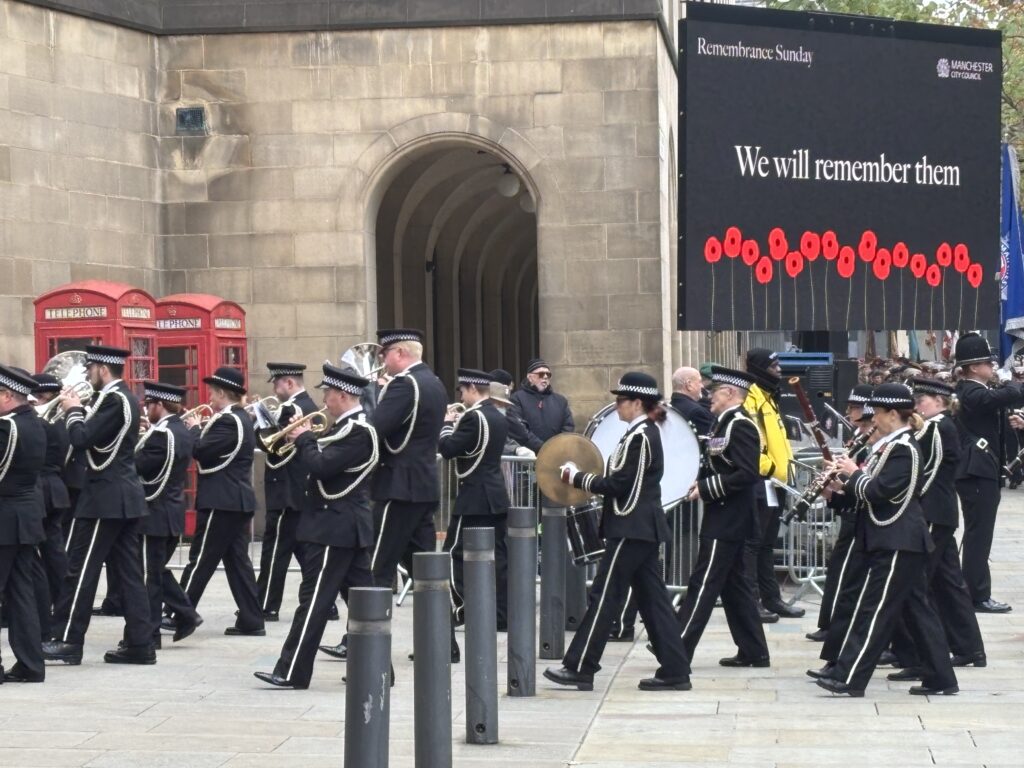
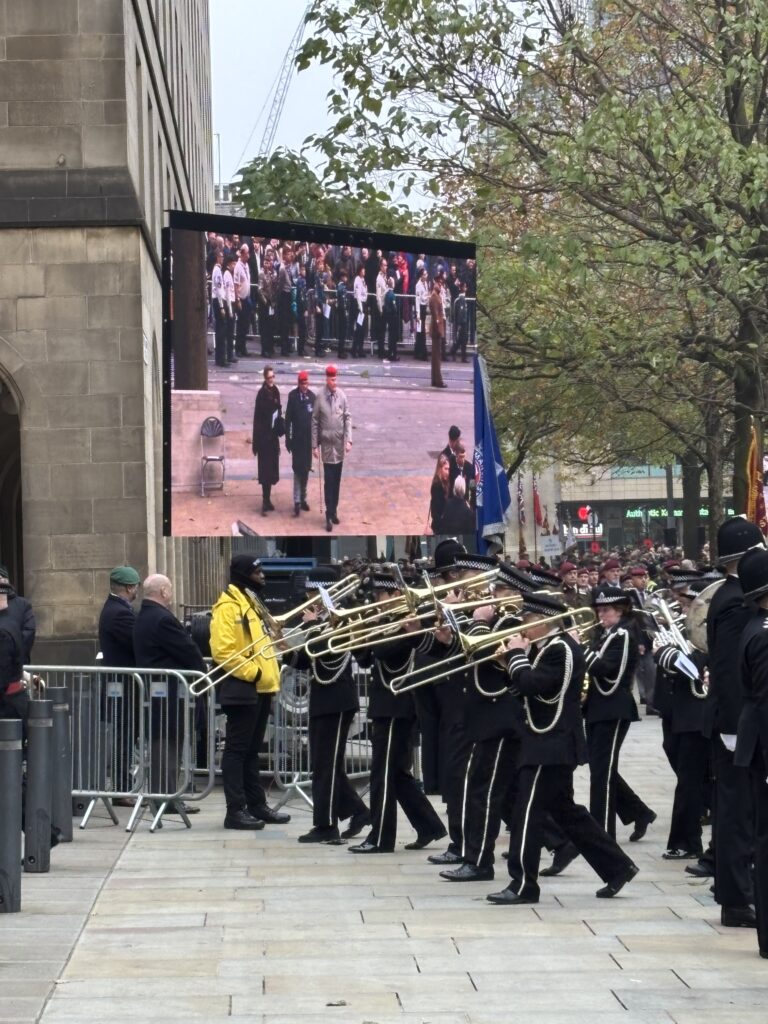
Music gave the ceremony both dignity and emotional depth. Wreaths offered visible expressions of gratitude and remembrance.
Above all, the two-minute silence united everyone without distinction of nationality, profession or rank.
I attended as the only Moldovan representative. Nevertheless, Moldova’s presence carried a wider message.
Our country values its relationship with the United Kingdom. We respect the civic traditions of the communities in which Moldovan citizens live, work, study and build their futures.
As Honorary Consul, I see local representation as active participation. It should never remain limited to ceremonial visibility.
Solidarity with the people of Poland
The service also provided an opportunity to speak with fellow members of the Manchester Consular Association.
During those conversations, I conveyed condolences to the Consul General of Poland following the tragic attack in Kraków on 7 November.
The attack claimed six lives and injured others. Poland declared national mourning on 8 and 9 November.
On behalf of the Republic of Moldova, I expressed our deepest sympathy to the bereaved families and loved ones of those who lost their lives.
The Moldovan people stand in sorrow and solidarity with the people of Poland. Our thoughts remain with everyone injured or affected, and we wish those recovering strength and a full recovery.
That exchange felt especially significant during a remembrance service.
Shared grief reminds us that diplomacy has a human foundation. Before institutions can cooperate, people must recognise one another’s loss, dignity and pain.
Why civic diplomacy builds trust
Remembrance should never become a commercial exercise.
Yet responsible civic participation creates trust, and trust supports every lasting international relationship.
Businesses assess markets through data, regulation and opportunity. They also consider institutional stability, reputation and the strength of relationships between people.
Universities build partnerships when they identify shared values. Investors gain confidence when local and international leaders engage consistently. Airports and logistics companies depend on connections between communities and regions.
Consequently, civic diplomacy contributes indirectly to the environment in which trade, education and investment can grow.
My roles as Honorary Consul, CEO of Moldovan Diaspora Business Alliance and Salford President of Greater Manchester Chamber of Commerce often intersect around this principle.
Strong partnerships rarely begin with a transaction. Instead, they begin with mutual respect and a willingness to participate in one another’s civic life. Furthermore, Moldova’s European integration depends on relationships grounded in democratic values, institutional cooperation and respect for shared history. Future regional reconstruction will also require trust among governments, businesses, universities and communities. Those relationships take time to build.
Honorary consuls extend diplomatic reach
Embassies cannot attend every regional event across a host country. Honorary consuls can help close that distance.
Their role may include:
- Representing the sending country at civic occasions
- Supporting relationships with local authorities
- Engaging with business and academic institutions
- Promoting cultural understanding
- Listening to diaspora communities
- Maintaining links with diplomatic colleagues
- Responding with solidarity during difficult moments
This flexibility does not replace an embassy’s formal authority. Instead, it strengthens a country’s local presence and helps maintain relationships beyond the capital.
Remembrance requires participation
Manchester’s service ended, but its message continues. Respect needs more than words. Memory requires active care.
Businesses, universities, public institutions and diplomatic missions can contribute by:
- Attending local remembrance services
- Supporting the Royal British Legion and veterans’ organisations
- Learning about diverse Armed Forces communities
- Giving employees time to participate
- Teaching younger generations why remembrance matters
- Creating inclusive spaces for reflection
Manchester came together to remember those who served and sacrificed.
It was an honour to stand among the city’s civic, military and diplomatic community as the representative of the Republic of Moldova.
This article forms part of my Building Bridges thought-leadership series.
Today, we build those bridges through remembrance, respect and shared civic responsibility.
About the Author
Dina Railean is the Chief Executive Officer of Express Language Solutions Ltd, Salford President of the Greater Manchester Chamber of Commerce, Honorary Consul of the Republic of Moldova in Manchester, Chair and Chief Executive Officer of the Moldovan Diaspora Business Alliance, and a Council Member of The Insurance Institute of Manchester.
Through her work across business, diplomacy and professional leadership, she writes about international trade, foreign direct investment, cross-cultural communication, leadership and the strategies that help organisations build trust and succeed across borders.