Business relationships rarely begin with a contract. They begin with familiarity, trust and a willingness to understand another country’s history, institutions and people.
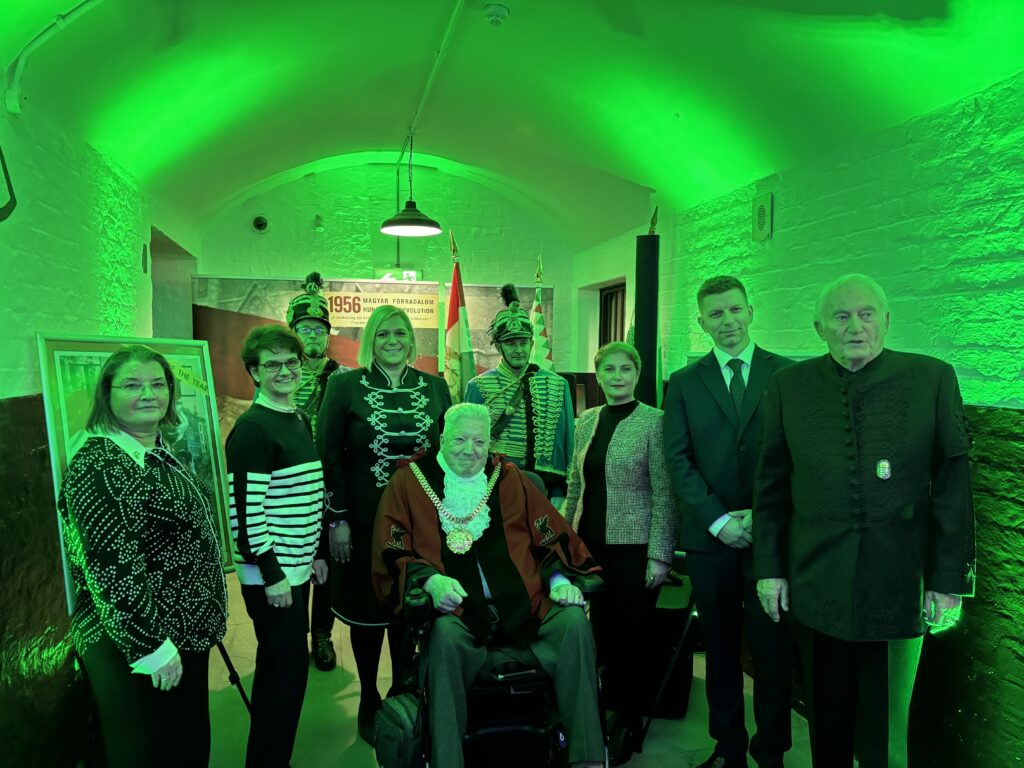
On 23 October 2026, I represented the Republic of Moldova at a special commemoration in Liverpool marking the 70th anniversary of the Hungarian Revolution of 1956. Judit Várhelyi, Consul General of Hungary in Manchester, kindly invited me to attend.
Organisers planned for the ceremony to take place in St John’s Gardens to unveil a memorial plaque honouring the Revolution and the Hungarians who found refuge and built new lives in Liverpool and across the United Kingdom, followed by a reception at St George’s Hall.
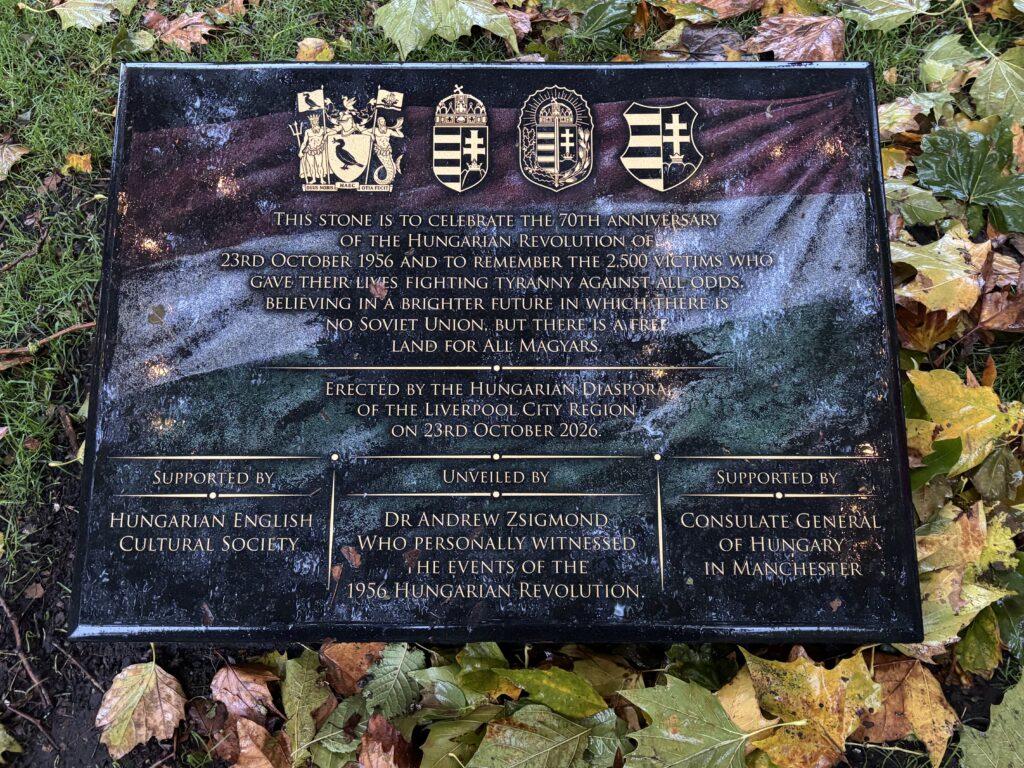
Unfortunately, the storm forced the organisers to postpone the unveiling. However, the commemoration still delivered an important message about freedom, opportunity and European belonging. It also demonstrated how cultural diplomacy can strengthen the relationships that support trade, investment, education and regional cooperation.
A personal story of determination
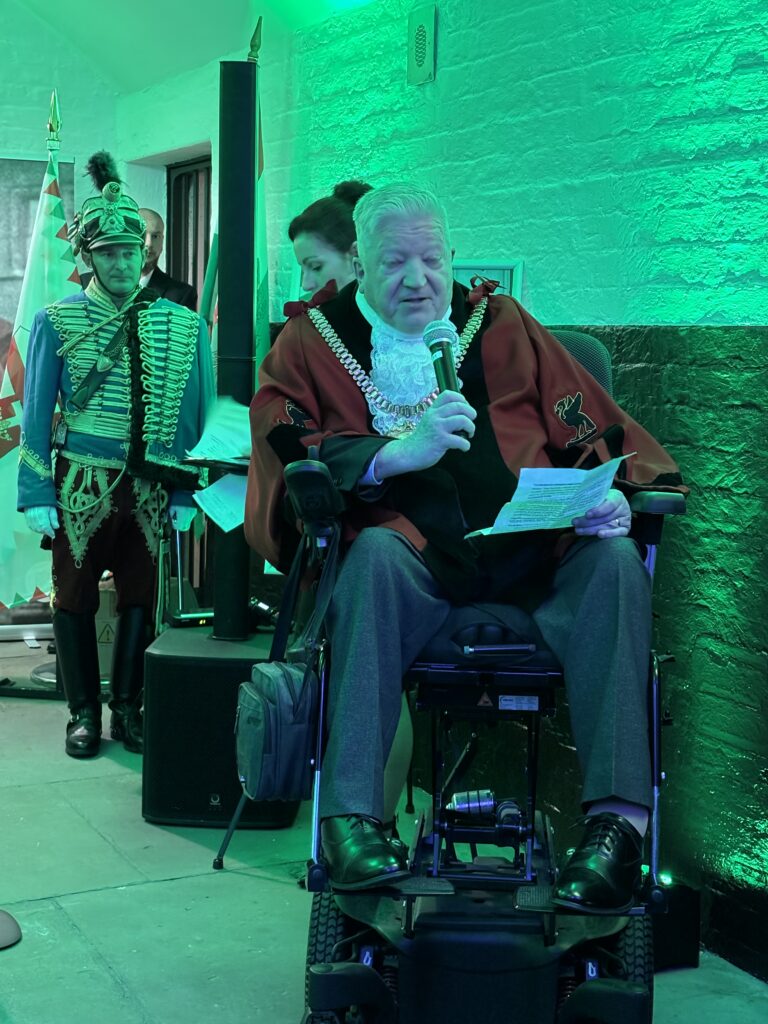
Councillor William Shortall, Lord Mayor of Liverpool, spoke about the city’s role in welcoming Hungarian refugees. His message reflected Liverpool’s long history as an international city shaped by people, ideas and commerce from around the world.
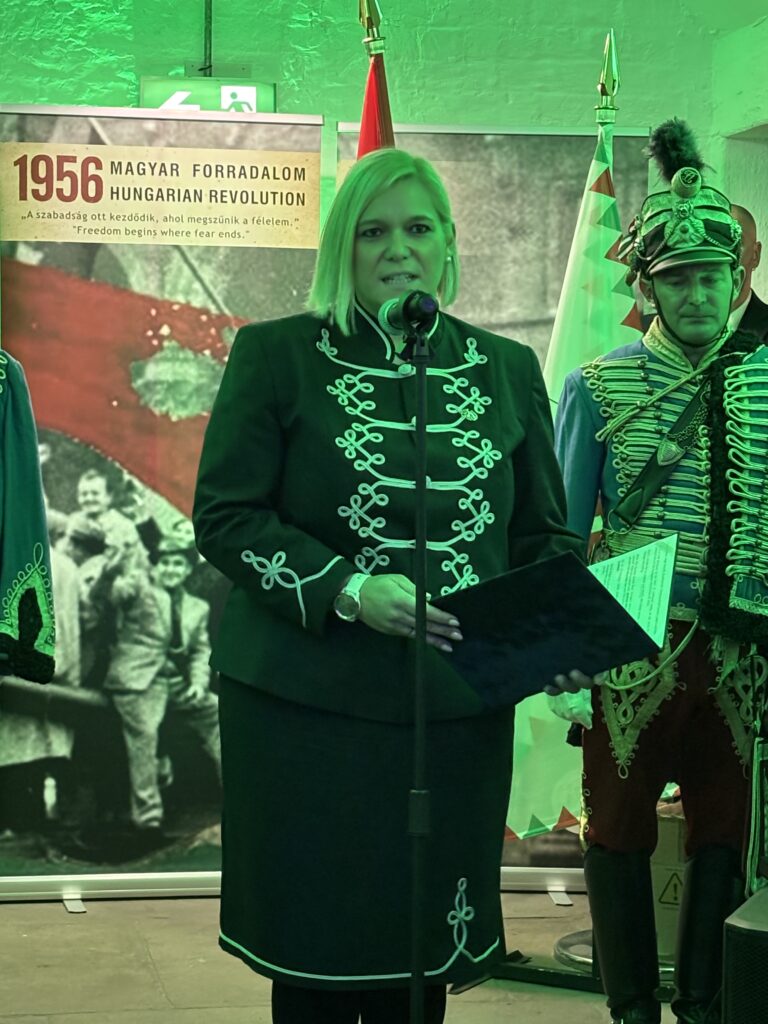
Judit Várhelyi, Consul General of Hungary in Manchester also addressed the importance of remembrance, UK-Hungary friendship and the contribution made by Hungarians who built new lives in Britain.
Yet the most personal account came from Dr Andrew V. Zsigmond. A former Honorary Consul of Hungary in Liverpool, Dr Zsigmond experienced the events of 1956 himself. The Revolution interrupted his medical studies and forced him to leave Hungary. After arriving in Britain, he rebuilt his life and eventually became a doctor. He achieved the professional ambition that he had pursued before leaving his country.
His story shows what becomes possible when a country gives a displaced person safety, dignity and an opportunity to contribute. Britain did not simply offer Dr Zsigmond refuge. It gained a doctor, community leader and diplomatic representative. That outcome carries an important lesson for business and civic leaders. International talent strengthens local communities. Diverse experience supports innovation. Successful integration can create value across generations.
Why remembrance matters to business
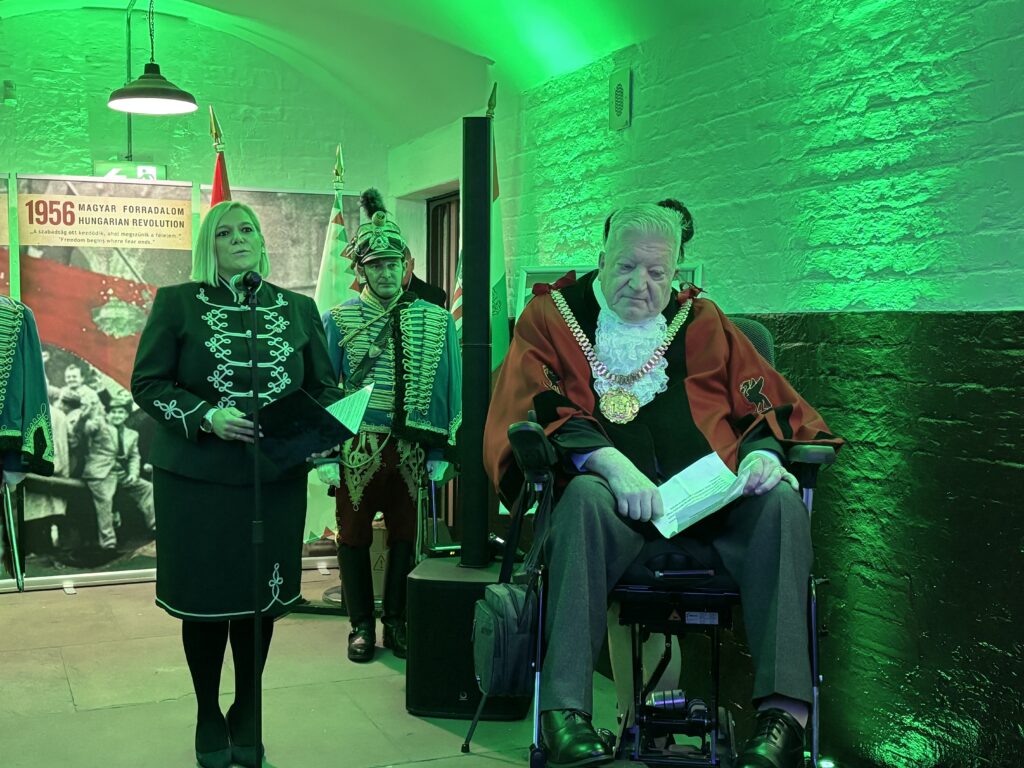
A commemorative ceremony may appear distant from trade and investment. In practice, both diplomacy and business depend on relationships. Companies considering a new market want to know whether they can find credible institutions, reliable partners and people who understand both countries. Investors also look beyond figures on a spreadsheet. They consider the quality of local networks, the strength of professional relationships and the ability of organisations to work across cultures.
Consequently, events such as the Liverpool commemoration create practical value. They bring together:
- Civic leaders
- Consular representatives
- International businesses
- Professional advisers
- Cultural organisations
- Diaspora communities
- Potential academic partners
These relationships do not produce contracts immediately. Nevertheless, they create the familiarity from which commercial conversations can grow.
Moldova and Hungary strengthen their partnership
The Liverpool commemoration took place on the same day that President Maia Sandu attended anniversary events in Budapest. Her visit, made at the invitation of Hungarian Prime Minister Péter Magyar, was her first visit to Hungary as President of the Republic of Moldova.
President Sandu joined other European leaders at a solemn meeting of Hungary’s National Assembly and a commemorative ceremony in Kossuth Square. The following day, she met Hungarian President András Baka and Prime Minister Péter Magyar.
Their discussions covered:
- Moldova’s European integration
- Economic cooperation
- Hungarian investment in Moldova
- Energy diversification
- Regional interconnections
- Direct air connectivity
- Education and cultural links
- Wider regional security
The leaders also discussed the next stages of Moldova’s EU accession process.
During 2026, Moldova opened negotiations covering four of the six groups of accession chapters. These include fundamentals, external relations, the internal market, competitiveness and inclusive growth. Such progress carries clear commercial importance. European alignment affects the environment in which businesses operate.
It may influence:
- Company regulation
- Financial services
- Competition rules
- Consumer protection
- Customs procedures
- Digital transformation
- Industrial development
- Research and education
- Movement of goods, services and capital
British companies considering Moldova should monitor these changes. Early engagement gives businesses time to understand the market, develop trusted relationships and prepare for emerging opportunities.
European integration as a business opportunity
European integration involves much more than political dialogue. It requires investment in institutions, infrastructure, skills and commercial standards. For international businesses, this creates demand for expertise.
Potential opportunities may emerge across:
- Legal and regulatory services
- Insurance and risk management
- Banking and financial advice
- Digital technology
- Data governance
- Energy and infrastructure
- Property development
- Transport and logistics
- Education and professional training
- Manufacturing and supply chains
No company should assume that European integration guarantees commercial success. Each business still needs proper research, professional advice and a realistic market-entry plan. However, Moldova’s direction of travel gives British organisations a reason to examine the country now rather than waiting until the market becomes more competitive.
Investment and connectivity
Moldova and Hungary signed a strategic partnership declaration in 2020. The agreement supports Moldova’s European integration and cooperation in economic, energy, security, education and cultural affairs.
During President Sandu’s Budapest meetings, the Moldovan side welcomed the presence of Hungarian companies in Moldova and encouraged further investment. Direct air connectivity also formed part of the discussions.
Expanded links between Chisinau and Budapest could strengthen:
- Business travel
- Tourism
- Academic exchanges
- Investment visits
- Diaspora connections
- Freight and specialist logistics
- Access to wider European markets
This point matters to the North West of England. Air routes do more than transport passengers. They increase confidence, shorten commercial journeys and make international partnerships easier to maintain.
Airports, airlines, exporters and logistics companies should therefore participate in economic diplomacy.
Connectivity forms part of the infrastructure of trade.
Continuing relationships after a trade mission
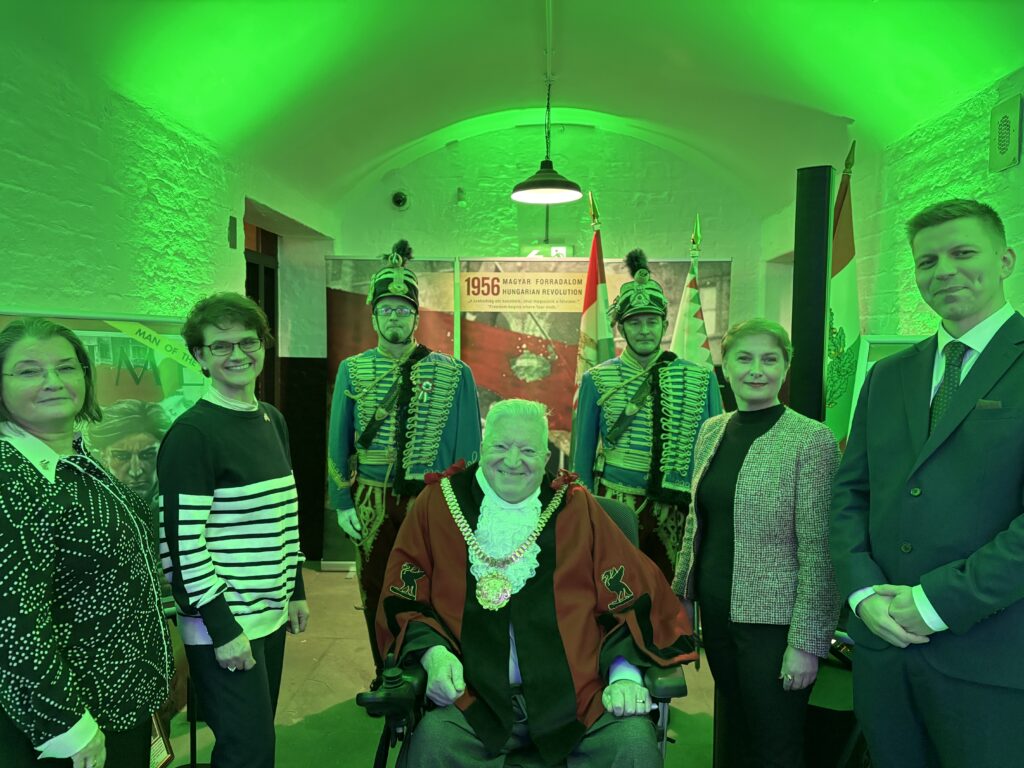
I attended the Liverpool commemoration with Krzysztof Golowacz, Product Manager at Data Safe Solutions Ltd. Krzysztof and Derek Johnston took part in the First UK Business-Led Mission to Moldova, which coincided with Moldova Business Week 2026. His attendance reflected the importance of continuing relationships after a trade mission ends.
Delegates often return home with:
- New market knowledge
- Commercial leads
- Institutional contacts
- Potential partners
- Questions requiring further investigation
- Ideas for future projects
Those connections need careful follow-up. By involving business delegates in wider civic and diplomatic networks, mission leaders can help them understand the environment surrounding a market.
Cultural diplomacy supports that work. It introduces businesses to the people and institutions that shape international relationships. It also demonstrates that trade sits within a wider context of trust, reputation and shared interests.
Krzysztof’s presence showed that a mission relationship can continue through regional diplomatic engagement.
Local representation creates practical connections
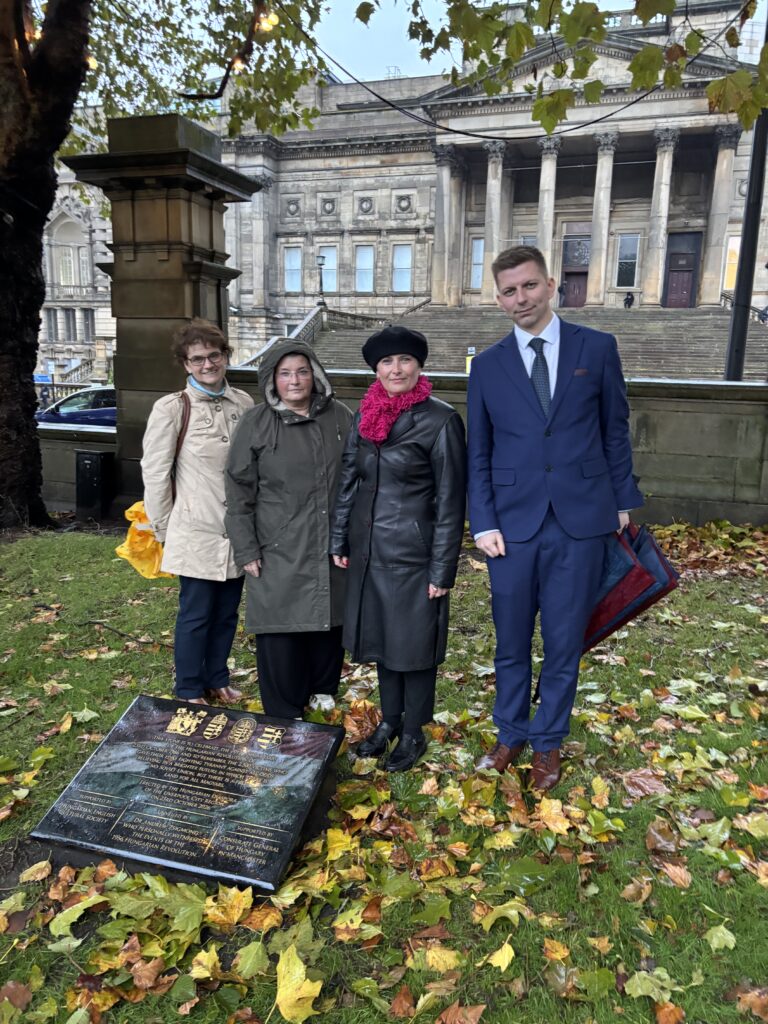
Members of the Liverpool Consular Corps joined the commemoration. They included Maud Duthie-van der Venne, Honorary Consul of the Netherlands in Chester, and Dorothea Mücke-Herzberg, Honorary Consul of Germany in Liverpool and Vice-President of the Liverpool Consular Corps. Such representation matters because international relationships develop locally as well as nationally.
Consular networks can connect:
- Overseas institutions with local authorities
- International businesses with professional communities
- Universities with research partners
- Investors with market information
- Diaspora communities with civic organisations
- Cultural initiatives with wider audiences
The Honorary Consulate of the Republic of Moldova in Manchester gives Moldova a consistent presence in North West England. It helps UK organisations understand Moldova and assist Moldovan institutions seeking connections in this region.
Consular engagement cannot replace commercial due diligence. However, it can help a business identify the right institutions, questions and starting points.
Moldova’s role in regional reconstruction
Businesses should also consider Moldova’s potential role in the reconstruction of Ukraine. Moldova’s location, developing infrastructure and growing network of international partnerships may support some companies seeking regional opportunities.
Relevant areas could include:
- Property development and construction
- Transport and logistics
- Energy infrastructure
- Secure data management
- Legal and financial services
- Insurance and risk advice
- Professional training
- Supply-chain development
Establishing relationships in Moldova could help a British company gain regional knowledge and identify suitable partners. A local office may also support operations where the commercial case justifies one.
Nevertheless, a presence in Moldova cannot guarantee access to reconstruction contracts.
Companies must understand procurement requirements, demonstrate relevant expertise and conduct proper risk assessments. Preparation should come before expansion.
From remembrance to commercial partnership
The postponed plaque will eventually give Liverpool a permanent place of remembrance. Its wider message already exists.
Freedom gives people the opportunity to rebuild their lives. Welcoming international talent strengthens communities and local economies. European cooperation creates routes for trade, investment and knowledge exchange. Cultural diplomacy provides the trust that allows those relationships to develop.
This is why Moldova’s local representation matters.
Businesses and institutions can support this work by:
- Inviting Moldovan representation to civic and business events
- Proposing cultural or academic partnerships
- Exploring trade and investment opportunities
- Registering interest in future UK-Moldova business missions
- Developing connections between North West England and Moldova
Interested organisations can contact me directly at RM.Honorary.Consul@gmail.com.
This article continues my Building Bridges thought-leadership series on economic and investment diplomacy.
Follow my work through:
This article was sponsored by Express Language Solutions Ltd and Moldovan Diaspora Business Alliance Ltd.
I thank ELS and MDBA for their continued support of cultural diplomacy, international trade and stronger UK-Moldova relationships.
Organisations interested in sponsoring future articles or bilateral initiatives can contact RM.Honorary.Consul@gmail.com.
About the Author
Dina Railean is the Chief Executive Officer of Express Language Solutions Ltd, Salford President of the Greater Manchester Chamber of Commerce, Honorary Consul of the Republic of Moldova in Manchester, Chair and Chief Executive Officer of the Moldovan Diaspora Business Alliance, and a Council Member of The Insurance Institute of Manchester.
Through her work across business, diplomacy and professional leadership, she writes about international trade, foreign direct investment, cross-cultural communication, leadership and the strategies that help organisations build trust and succeed across borders.