A country’s international standing does not rest only on embassies, treaties or formal meetings.
It also grows through visible participation in local civic life.
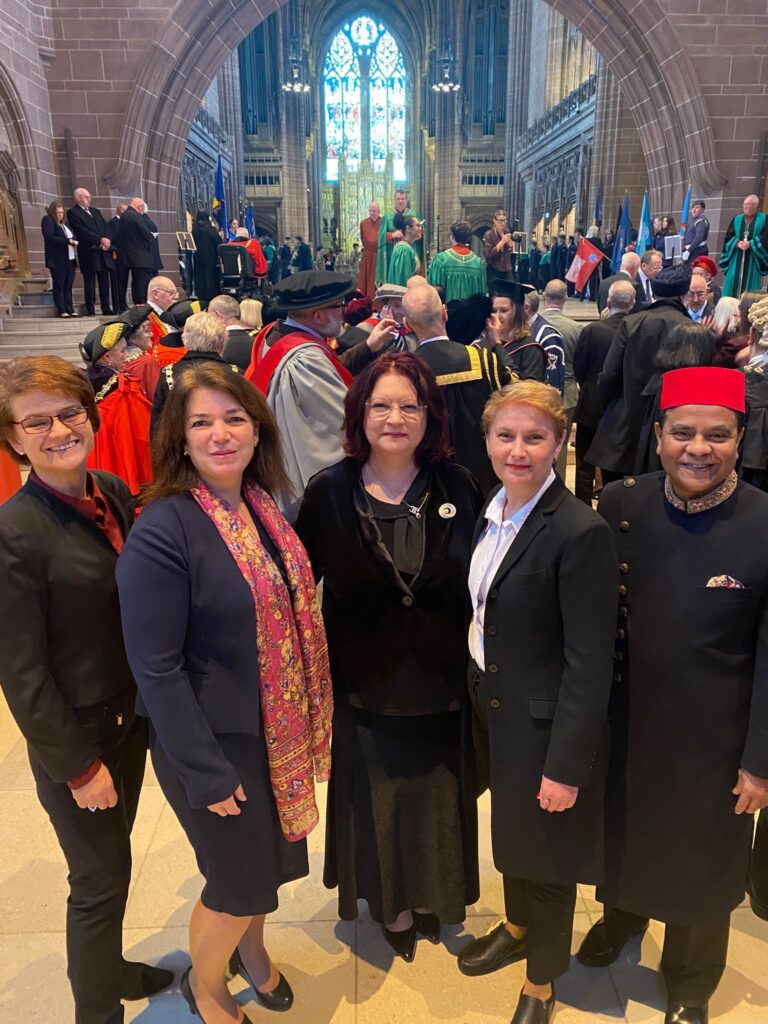
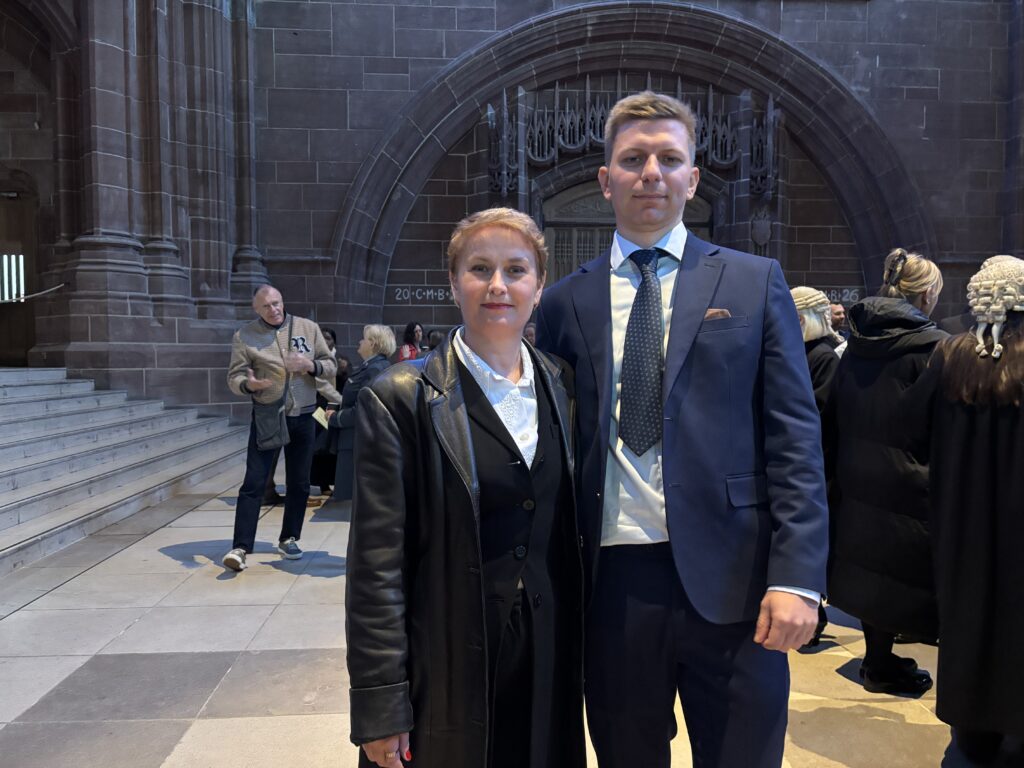
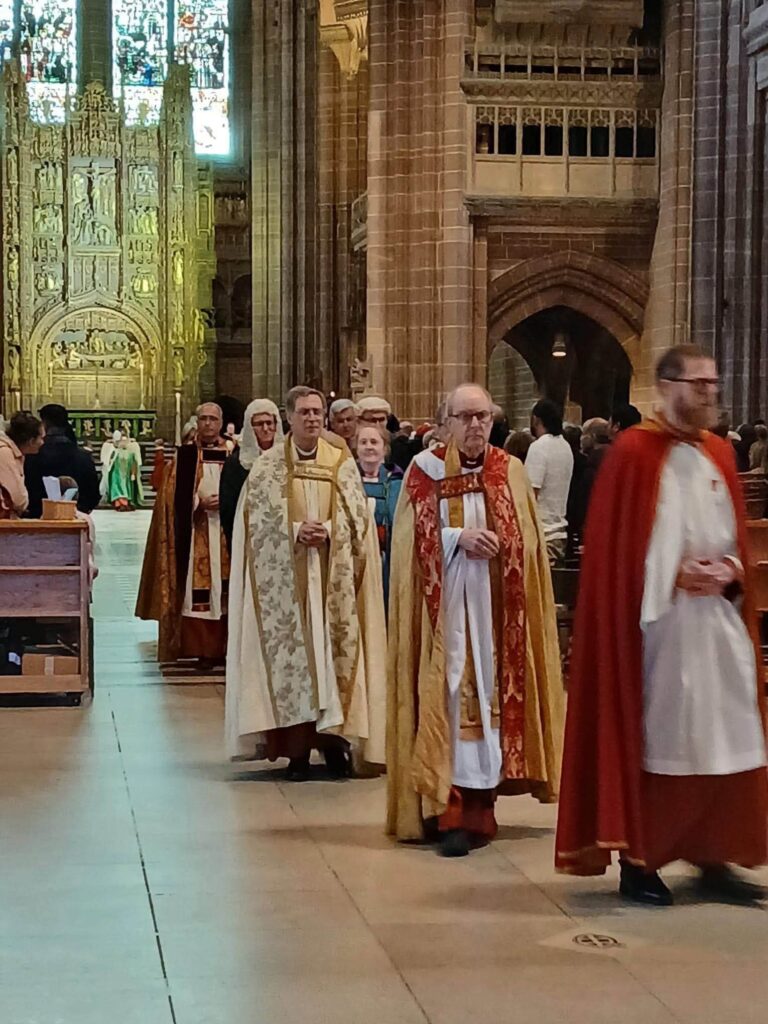
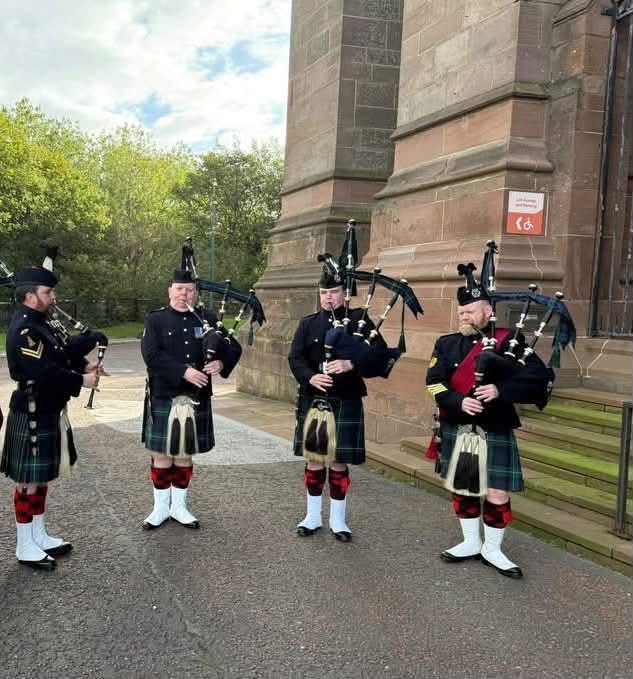
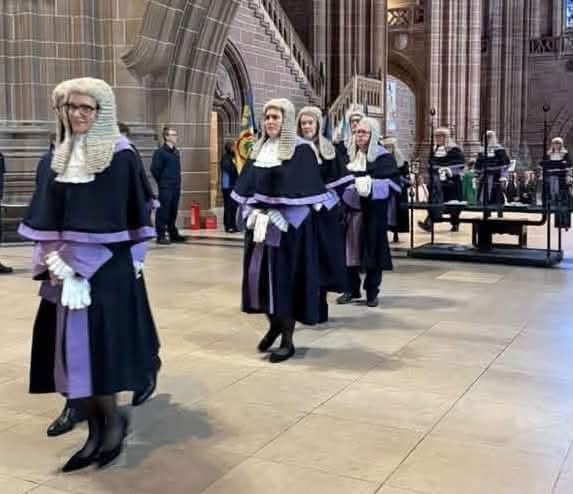
On 11 October 2026, I joined fellow consular representatives in the diplomatic procession of the High Sheriff of Merseyside for the Liverpool Cathedral Service to Mark the Beginning of the Legal Year.
The occasion brought together members of the judiciary, civic leaders, academics, diplomats, faith representatives, public servants and young people.
Moldova’s presence carried a clear message. Our country and its people form part of the civic, cultural and economic life of North West England.
Local representation builds national visibility
Diplomacy often begins far from government meeting rooms. It takes place in cathedrals, universities, council chambers, airports, business fora and community centres. Therefore, an Honorary Consul must build relationships across the whole region.
My participation reflected the Honorary Consulate’s commitment to representing Moldova throughout its consular district.
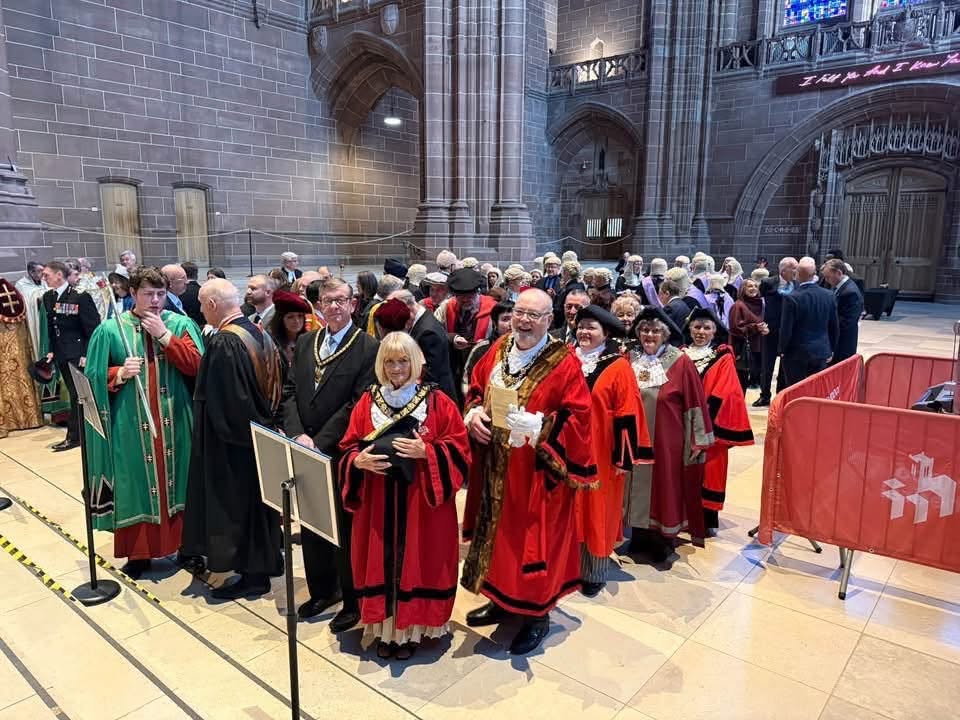
The Diplomatic Procession also included:
- Cerasela Raducanescu, Honorary Consul of Romania in Liverpool
- Dorothea Mucke-Herzberg, Honorary Consul for Germany in Liverpool
- Aude Auclair, Honorary Consul of France in Chester
Together, we represented different European nations within an important British civic tradition. Such occasions create trust between people and institutions. Moreover, they help local leaders understand the communities, markets and international relationships connected to their region.
A young Moldovan steps forward
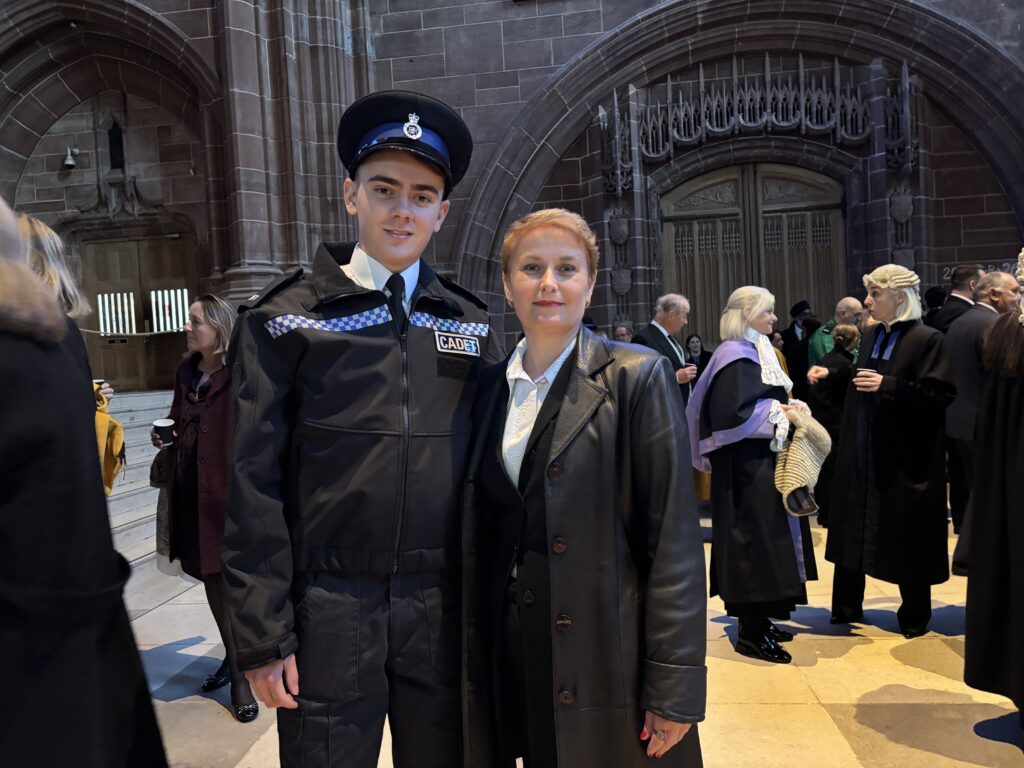
One moment held particular meaning for me. Constantin Cojocaru, a young Moldovan and one of the High Sheriff’s Cadets, read a prayer during the service. Seeing him take part in such a prominent civic occasion filled me with pride.
Following the service, I introduced myself to Constantin and met his parents, who had attended to support him.
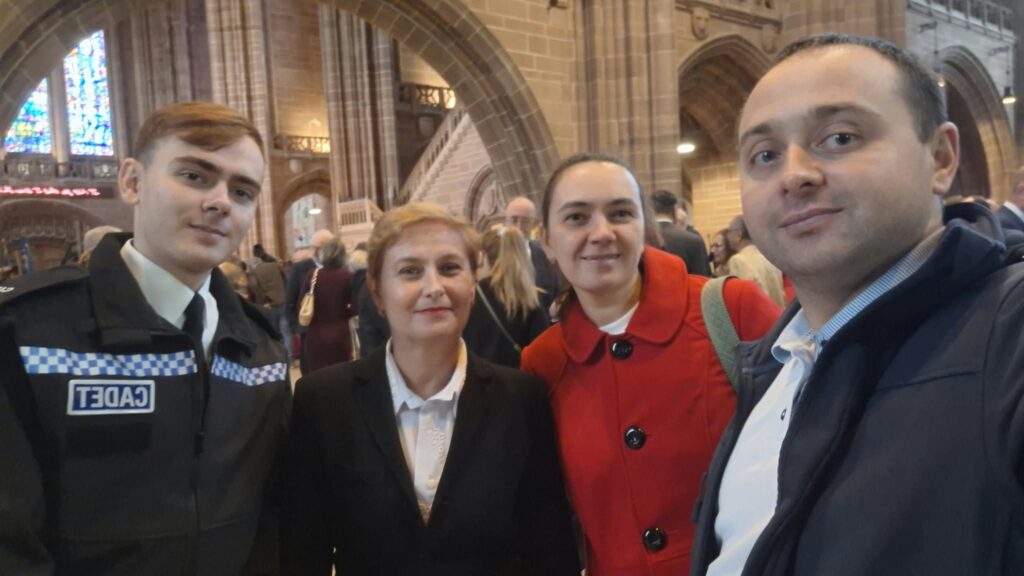
His contribution showed what positive integration looks like. Young Moldovans can remain proud of their identity while playing an active role in British society. They do not need to choose between belonging to Moldova and belonging in the United Kingdom. Instead, both identities can strengthen their confidence, ambition and sense of service.
Constantin’s example should encourage other young Moldovans to:
- Join civic and youth organisations
- Volunteer in their communities
- Take part in public events
- Seek leadership opportunities
- Learn how British institutions work
- Preserve their Moldovan culture and language
- Represent both countries with confidence
Parents, schools, universities and community groups also have a role. They can help young people discover opportunities that may otherwise remain outside their networks.
Cultural diplomacy creates practical value
A cathedral service may appear distant from trade and investment. Yet business depends on trust, reputation and relationships. Cultural diplomacy helps to create all three.
I attended the service with my guest, Krzysztof Golowacz of Data Safe Solutions Ltd. Krzysztof had also joined the First UK Business-Led Mission to Moldova during Moldova Business Week 2026.
His presence connected civic diplomacy with the practical work of building commercial relationships between the United Kingdom and Moldova. The trade mission gave participating businesses direct experience of Moldova’s institutions, commercial environment and entrepreneurial ambition. Our attendance in Liverpool continued that relationship beyond the mission itself. It also showed why international engagement should not end when a delegation returns home. Instead, delegates, business leaders and diplomatic representatives should continue building networks, sharing knowledge and identifying credible opportunities.
When Moldova takes part in respected local institutions, people become more familiar with our country. That familiarity can open conversations about tourism, education, investment and trade. Likewise, visible community participation reassures potential partners that Moldova has established networks in the United Kingdom.
For a British company considering Moldova, trusted local connections can help it understand:
- The commercial environment
- Business culture and communication
- Relevant institutions and potential partners
- Legal, financial and insurance considerations
- Travel, aviation and logistics needs
- Academic and research opportunities
- Regional developments linked to Ukraine
Local representation cannot replace commercial due diligence. However, it can help organisations find the right questions, people and starting points.
Why this matters for North West England
The North West has strong legal, financial, insurance, academic, aviation and logistics sectors. Moldova offers opportunities for these communities to develop new relationships. Universities can explore student exchanges, joint research and knowledge transfer. Legal and financial specialists can support companies entering a developing market. Airports can assess future passenger and business demand between Northern England and Chisinau. Meanwhile, logistics providers can study routes connecting Moldova with Romania, the European Union and Ukraine.
Moldova’s path towards European integration adds further importance. Closer alignment with European rules and standards can make the country easier for international organisations to understand. Nevertheless, companies must still examine each opportunity carefully. Early engagement allows them to learn before the market becomes more competitive.
Moldova may also support future regional partnerships connected with Ukraine’s reconstruction. British companies should not assume that a Moldovan presence guarantees access to Ukrainian projects. Rather, they should consider whether relationships, regional knowledge or an operational base in Moldova could support long-term preparation.
Cultural understanding will matter in that process. So will trusted institutions, responsible advisers and strong local networks.
Representation must lead to participation
Moldova’s presence at local civic events should never become purely ceremonial. Representation must encourage action.
Local authorities, businesses, universities and community organisations can:
- Invite the Honorary Consulate to relevant events
- Propose business, cultural or academic partnerships
- Include Moldovan voices in regional discussions
- Support youth leadership and volunteering
- Work with diaspora professionals
- Explore links with Moldovan institutions
- Promote Moldova as a destination for travel and investment
Moldovan citizens can also help. Every professional achievement, community contribution and civic role strengthens the country’s reputation. Consequently, diaspora success becomes part of cultural diplomacy.
An economic front door to Moldova
The Honorary Consulate aims to serve as an accessible economic and civic front door to Moldova in North West England. That role involves listening, connecting people and helping credible ideas reach the appropriate institutions. It also means ensuring that Moldova remains visible within regional conversations.
My attendance at the Liverpool Cathedral service formed part of that wider responsibility.
Constantin Cojocaru’s participation showed why this work matters. A young Moldovan stood confidently within a major British civic occasion and contributed to it. That image represents successful integration, public service and hope for the next generation.
Building bridges through local action
This article continues my thought leadership series on economic, investment and cultural diplomacy. Each strand carries the same principle. Strong international relationships grow when people turn goodwill into participation.
Moldova benefits when its citizens become visible contributors to British society. The United Kingdom benefits when talented and committed residents engage with its institutions. Businesses benefit when cultural understanding supports credible international relationships. Above all, young people benefit when they see that their heritage and ambitions belong in the same story.
I congratulate Constantin on his contribution and encourage more young Moldovans to follow his example.
Local representation matters because visibility creates familiarity.
Familiarity can build trust
Trust, when supported by serious work, can lead to lasting cultural, academic and commercial partnerships.
To invite the Honorary Consulate to a civic, business or academic event, propose a partnership, support youth engagement or discuss links with Moldova, contact me at RM.Honorary.Consul@gmail.com.
Readers can follow my work through:
- Newsletter: https://dina-railean.com/newsletter/
- LinkedIn: https://www.linkedin.com/in/dinarailean/
- Facebook: https://www.facebook.com/elsltduk/
- TikTok: https://www.tiktok.com/@dina.railean5
Express Language Solutions Ltd and Moldovan Diaspora Business Alliance Ltd sponsored this article.

I thank ELS and MDBA for their continued support for cultural diplomacy, community participation and stronger UK-Moldova relations.
Law firms, insurers, financial institutions, universities, airports, logistics providers and other organisations can also sponsor future articles and initiatives within this thought leadership series.
Prospective sponsors may contact me privately at RM.Honorary.Consul@gmail.com.
About the Author
Dina Railean is the Chief Executive Officer of Express Language Solutions Ltd, Salford President of the Greater Manchester Chamber of Commerce, Honorary Consul of the Republic of Moldova in Manchester, Chair and Chief Executive Officer of the Moldovan Diaspora Business Alliance, and a Council Member of The Insurance Institute of Manchester.
Through her work across business, diplomacy and professional leadership, she writes about international trade, foreign direct investment, cross-cultural communication, leadership and the strategies that help organisations build trust and succeed across borders.