What Czechia Can Teach Moldova About EU Accession
Moldova’s European future will not take shape through legislation alone. It will also depend on relationships with countries that have already completed the journey from candidate status to European Union membership.
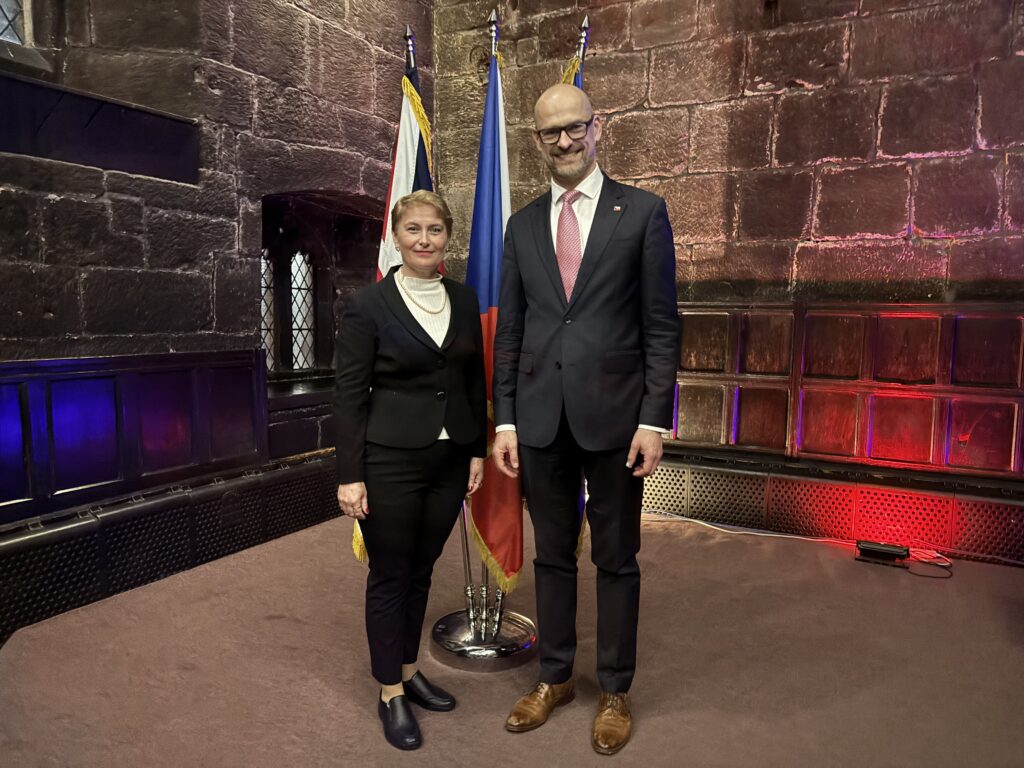
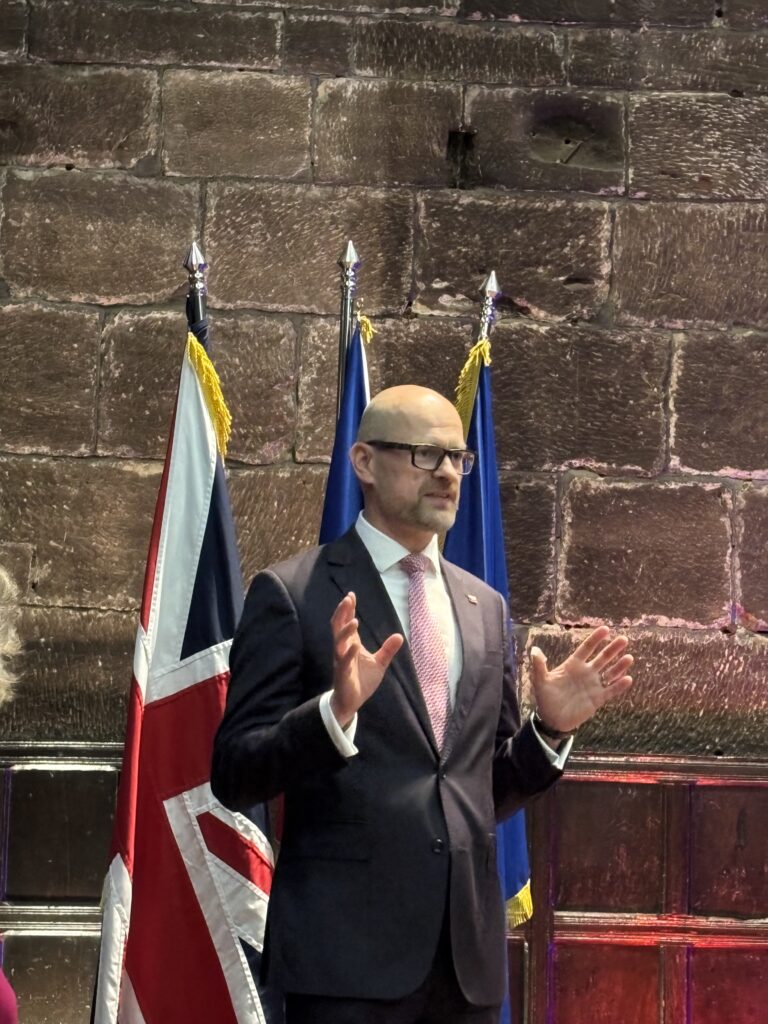
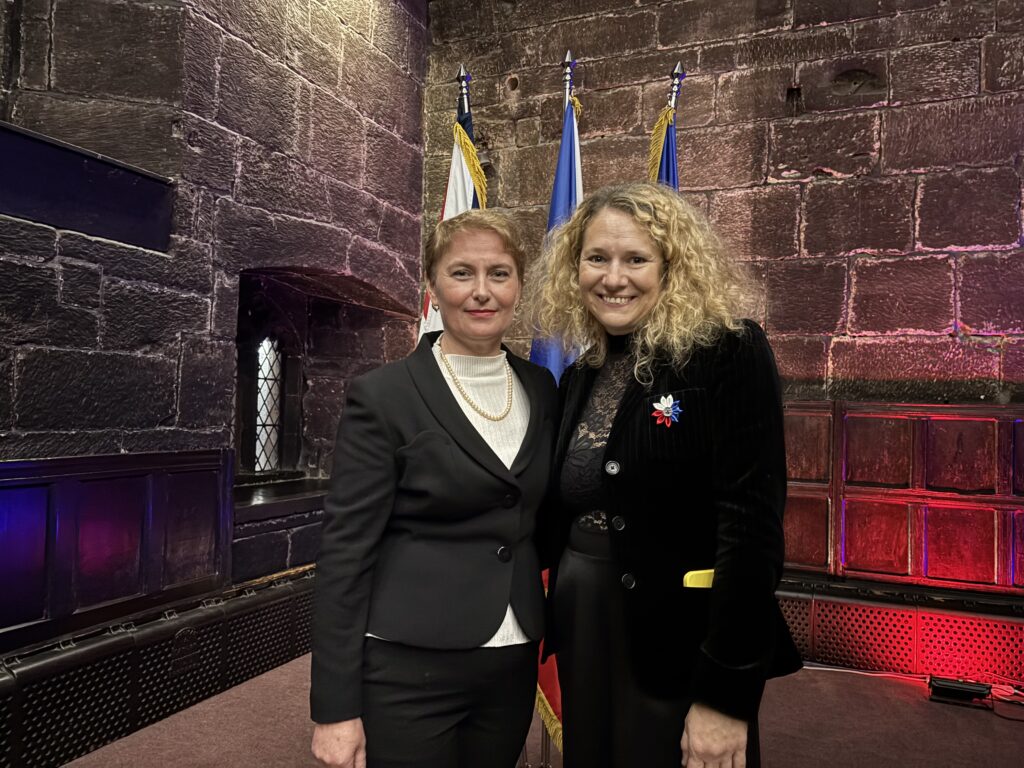
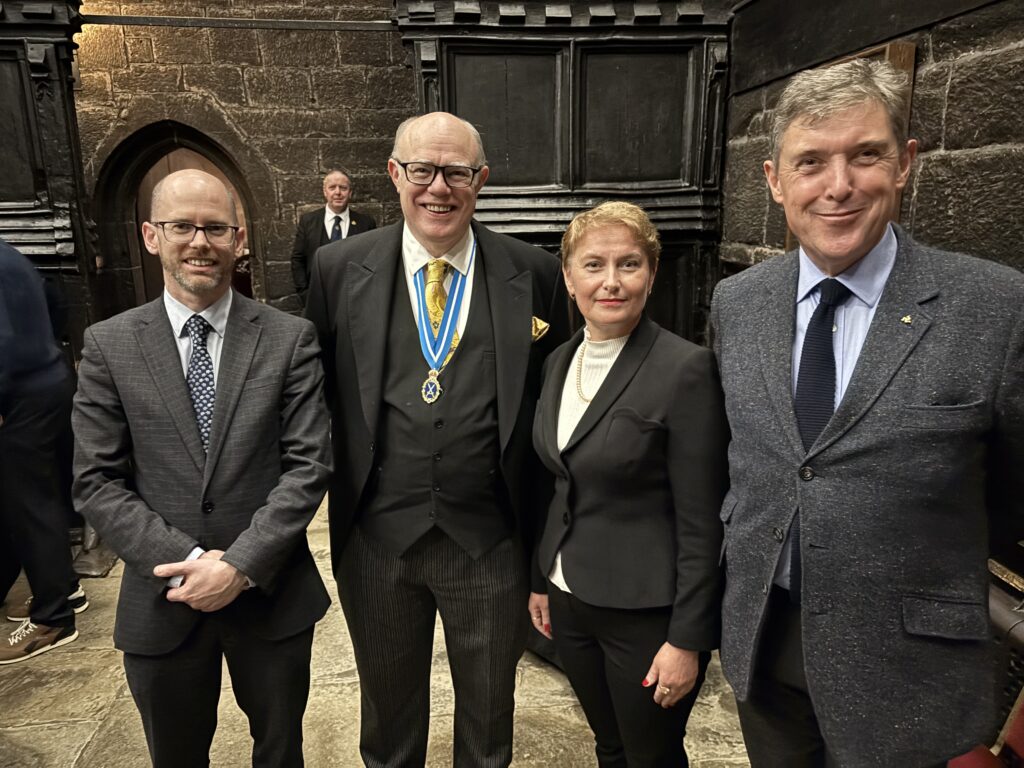
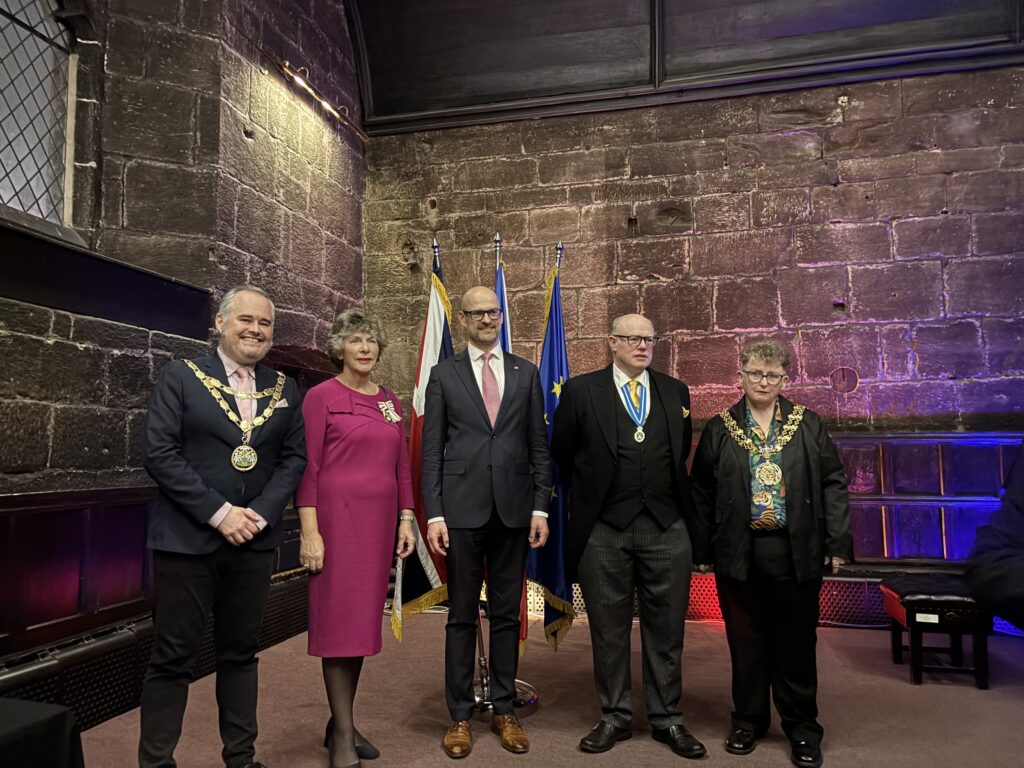
On 15 October 2026, I represented the Republic of Moldova at Manchester’s official celebration of the National Day of the Czech Republic. The Consulate General of the Czech Republic in Manchester hosted the event at Chetham’s School of Music. Colleagues from the Manchester Consular Association joined civic, diplomatic and business representatives for the occasion.
My sincere thanks go to David Frous, Consul General of the Czech Republic in Manchester, for his invitation and warm hospitality.
His remarks recognised the strength of Anglo-Czech relations. Those relations show how diplomatic ties can develop into lasting cultural, political and commercial cooperation. For Moldova, the Czech experience carries another important lesson.
From candidate country to EU member state
Czechia joined the European Union on 1 May 2004. Its experience gives it a practical understanding of the reforms, negotiations and public commitment required before accession.
Moldova now follows its own European path. In October 2026, the European Union and Moldova opened negotiations covering the internal market, competitiveness and inclusive growth.
These areas include:
- The movement of goods, services, workers and capital
- Company law and financial services
- Competition and consumer protection
- Taxation and customs
- Digital transformation
- Education and research
- Enterprise and industrial policy
- Employment and social policy
The process remains based on merit.
Therefore, Moldova must continue to align its laws, strengthen its institutions and demonstrate that it can apply European standards in practice. Czechia’s experience can help Moldova understand how reforms affect businesses, communities and public bodies. Moreover, Czech institutions can share lessons about economic transition, regional development, industrial growth and participation in the European single market.
Local diplomacy supports national goals
EU accession negotiations take place between governments and European institutions. However, support for accession grows through many levels of engagement.
Diplomatic gatherings in Manchester allow Moldova to maintain relationships with representatives of EU member states. They also make our country visible to British civic leaders, universities, investors and professional communities.
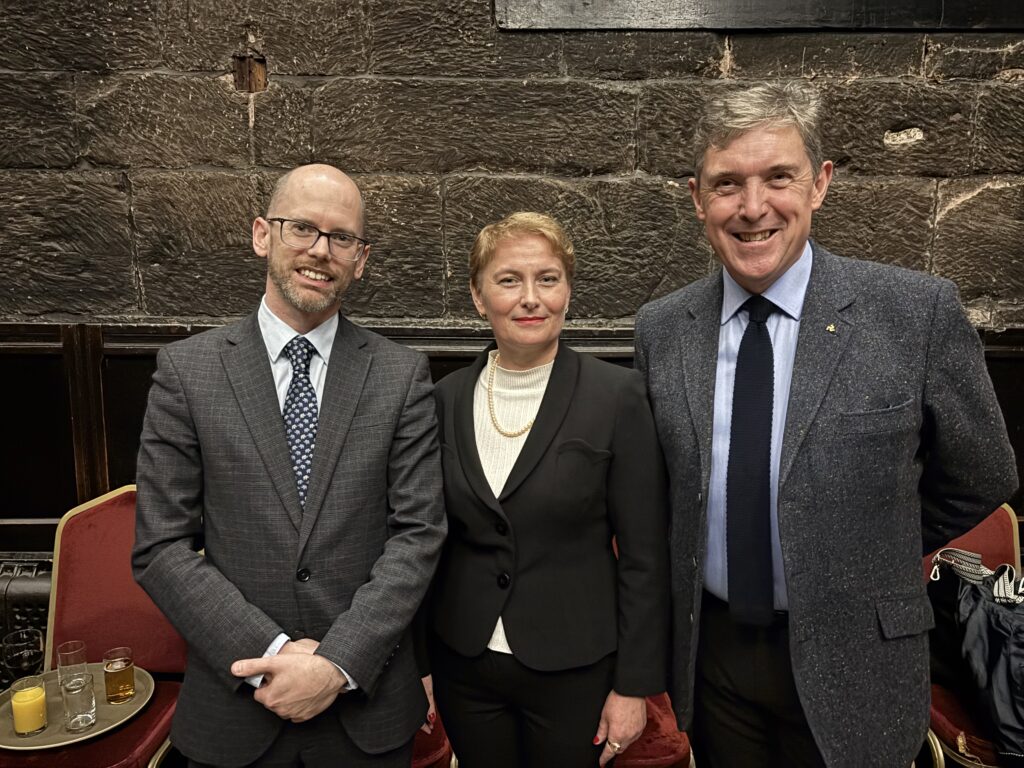
During the celebration, I had the honour of speaking with Cillian O’Kelly, Ireland’s Consul General in Manchester for the North of England. I expressed my appreciation for Ireland’s support for Moldova’s EU accession.
Ireland holds the presidency of the Council of the European Union when important accession clusters opened for Moldova in 2026. That support deserves recognition.
I also met Chris Brannigan, Executive Director of Crown and External Relations for the Isle of Man Government.
Encounters of this kind strengthen regional diplomatic networks. They may begin at a cultural event, yet they can lead to future discussions about trade, education, investment and institutional cooperation.
Cultural diplomacy creates trust
National Day celebrations honour a country’s history, identity and achievements. Attending them represents an act of diplomatic respect and reciprocity. Such occasions also create a setting where people can build relationships before discussing formal projects.
Business depends on trust.
Investment requires confidence.
Academic partnerships need committed institutions.
Consequently, cultural diplomacy can create the human foundation for each of them.
One reception cannot produce a trade agreement or complete an accession reform. Nevertheless, regular participation keeps Moldova present in the right conversations.
Visibility creates familiarity. Familiarity can support trust.
Well-managed relationships can then produce practical cooperation.
A partnership with commercial potential
Czech-Moldovan cooperation already has solid foundations.
Czechia has supported Moldova’s European integration and maintains development and economic links with the country.
Both markets can explore further cooperation across:
- Technology and cybersecurity
- Automotive production and engineering
- Energy and renewable power
- Infrastructure and construction
- Agriculture and food processing
- Logistics and supply chains
- Tourism and aviation
- Education and research
- Legal, financial and professional services
Czechia combines industrial expertise with experience of operating inside the European single market. Moldova offers skilled people, competitive sectors and a location between Romania and Ukraine. British businesses can also take part in this wider relationship.
A company from North West England may work with Czech suppliers, seek Moldovan partners or require access to regional expertise. Therefore, diplomatic networks should connect more than two countries. They should create trusted routes between markets.
What this means for British businesses
Companies considering Moldova should follow its accession process closely. Alignment with EU standards can affect contracts, compliance, customs, employment, digital services and investor protection.
Still, accession will not remove every commercial risk. Businesses must carry out proper legal, financial and market checks.
Early engagement offers a different advantage. It allows companies to understand the direction of reform before the market becomes more competitive.
Professional advisers can help investors examine:
- Market-entry structures
- Tax and regulatory obligations
- Insurance and risk management
- Intellectual property protection
- Employment requirements
- Data governance and cybersecurity
- Supply-chain resilience
- Potential local partnerships
The Honorary Consulate cannot replace legal, tax or investment advice. However, it can help organisations reach appropriate institutions and begin informed conversations.
Universities, airports and logistics providers
European integration also creates opportunities beyond traditional trade.
Universities in North West England can develop research, student exchanges and innovation partnerships with institutions in Moldova and Czechia. Joint work could focus on technology, engineering, energy, agriculture, languages and regional development.
Air connectivity also matters. Direct and convenient travel supports:
- Business visits
- Academic exchange
- Tourism
- Diaspora connections
- Investment missions
- Cultural programmes
- Specialist and time-sensitive logistics
Airports should view international routes as economic infrastructure. Likewise, logistics companies should examine how Moldova connects European markets with Ukraine and the wider region.
Improved transport links can reduce distance between potential partners. Yet connectivity succeeds only when passenger demand, commercial planning and long-term viability support it.
Preparing responsibly for Ukraine’s reconstruction
Moldova’s location also gives it regional importance. British and Czech businesses interested in Ukraine’s eventual reconstruction should assess whether Moldova could support partnerships, expertise or operations connected with that work.
Companies may benefit from:
- Building regional knowledge
- Identifying credible partners
- Understanding transport corridors
- Developing language and cultural capability
- Monitoring procurement systems
- Establishing a proportionate local presence
- Learning applicable legal and compliance rules
A Moldovan office would not guarantee access to Ukrainian tenders. No company should treat geography as a substitute for capability, compliance or competitive procurement. However, early preparation may help businesses understand the region and develop the relationships needed for future participation.
Representation must lead to engagement
The Honorary Consulate of the Republic of Moldova in Manchester gives Moldova a visible regional presence. That presence matters because North West England has influential business, academic, legal, financial, aviation and cultural communities.
Local authorities, businesses and universities can support this work by:
- Inviting the Honorary Consulate to relevant events
- Including Moldova in international programmes
- Proposing Czech-Moldovan or wider European partnerships
- Exploring trade and investment opportunities
- Developing academic exchanges
- Supporting cultural and diaspora initiatives
- Sharing accurate information about Moldova
Regional diplomacy brings national priorities closer to local decision-makers. In turn, local relationships can strengthen wider international cooperation.
Building Moldova’s European future
This article continues my Building Bridges thought leadership series on cultural, economic and investment diplomacy.
The Czech National Day celebration provided an opportunity to honour a valued European partner. It also highlighted a wider principle. Moldova can learn from countries that have completed the accession journey.
Czechia offers experience of reform, industrial development and participation in the single market.
Ireland’s active support shows how EU member states can help keep enlargement moving.
Manchester provides a regional platform where these relationships can develop.
Our European future will require serious reform at home.
Equally, Moldova must remain visible, credible and engaged abroad.
To invite the Honorary Consulate to a civic, diplomatic, business or academic event, propose a partnership, or discuss opportunities connected with Moldova, contact me at RM.Honorary.Consul@gmail.com.
Follow my work through:
- Newsletter: https://dina-railean.com/newsletter/
- LinkedIn: https://www.linkedin.com/in/dinarailean/
- Facebook: https://www.facebook.com/elsltduk/
- TikTok: https://www.tiktok.com/@dina.railean5
Read the Building Bridges series:
Express Language Solutions Ltd and Moldovan Diaspora Business Alliance Ltd sponsored this article.
I thank ELS and MDBA for their continued support for Moldova’s international visibility, cultural diplomacy and economic engagement.
Businesses, universities and professional organisations interested in sponsoring future articles or related initiatives may contact me privately at RM.Honorary.Consul@gmail.com.
About the Author
Dina Railean is the Chief Executive Officer of Express Language Solutions Ltd, Salford President of the Greater Manchester Chamber of Commerce, Honorary Consul of the Republic of Moldova in Manchester, Chair and Chief Executive Officer of the Moldovan Diaspora Business Alliance, and a Council Member of The Insurance Institute of Manchester.
Through her work across business, diplomacy and professional leadership, she writes about international trade, foreign direct investment, cross-cultural communication, leadership and the strategies that help organisations build trust and succeed across borders.