European integration does not happen only in Brussels or Chisinau. It also grows through relationships formed in cities, businesses, universities and local institutions across Europe.
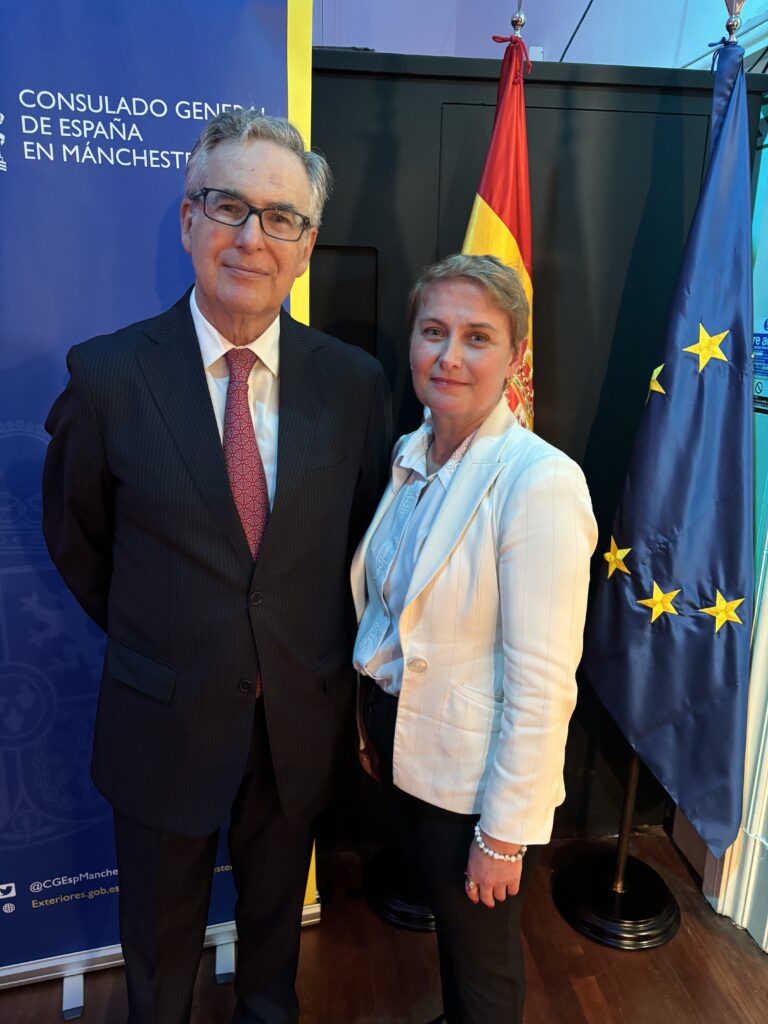
On 14 October 2026, I attended the official Manchester celebration of the National Day of Spain. The Consulate General of Spain in Manchester hosted the event at Instituto Cervantes Manchester. I joined colleagues from the Manchester Consular Association in celebrating Spain’s national identity, culture and contribution to European life.
My attendance also carried another purpose. As Honorary Consul of the Republic of Moldova in Manchester, I have a responsibility to ensure that Moldova remains visible within the civic, diplomatic and commercial life of North West England.
Moldova’s European future needs local relationships
Only one day before the Manchester celebration, the European Union and Moldova opened accession negotiations covering the internal market, competitiveness and inclusive growth. Those areas include the movement of goods, services, workers and capital. They also cover financial services, company law, taxation, digital transformation, education, research and customs. This progress matters to every business considering Moldova.
European integration is not an abstract political ambition. It requires Moldova to align its laws, institutions, standards and commercial practices with those of the European Union. Accession remains a merit-based process. Moldova must continue to implement reforms and demonstrate results. However, technical reform forms only part of the journey. Strong relationships with EU member states also matter.
Spain brings valuable experience in trade, infrastructure, renewable energy, agriculture, tourism, education and regional development. Therefore, dialogue between Spanish, Moldovan and British institutions can support Moldova’s wider European ambitions.
Diplomatic respect creates goodwill
Attending another country’s National Day is an act of diplomatic respect and reciprocity. It recognises that international relationships grow when countries celebrate each other’s identity, progress and contribution. Such events also create space for conversations that formal meetings may not always allow.
During the reception, I had the honour of speaking with:
- Alejandro Polanco Mata, Consul General of Spain in Manchester
- Mrs Diane Hawkins JP LLB, Lord-Lieutenant of Greater Manchester
- Mr Mark Lewellin DL, High Sheriff of Greater Manchester
- Councillor Shaukat Ali, Lord Mayor of Manchester
- Fellow Consuls General, Consuls and Honorary Consuls from the Manchester Consular Association
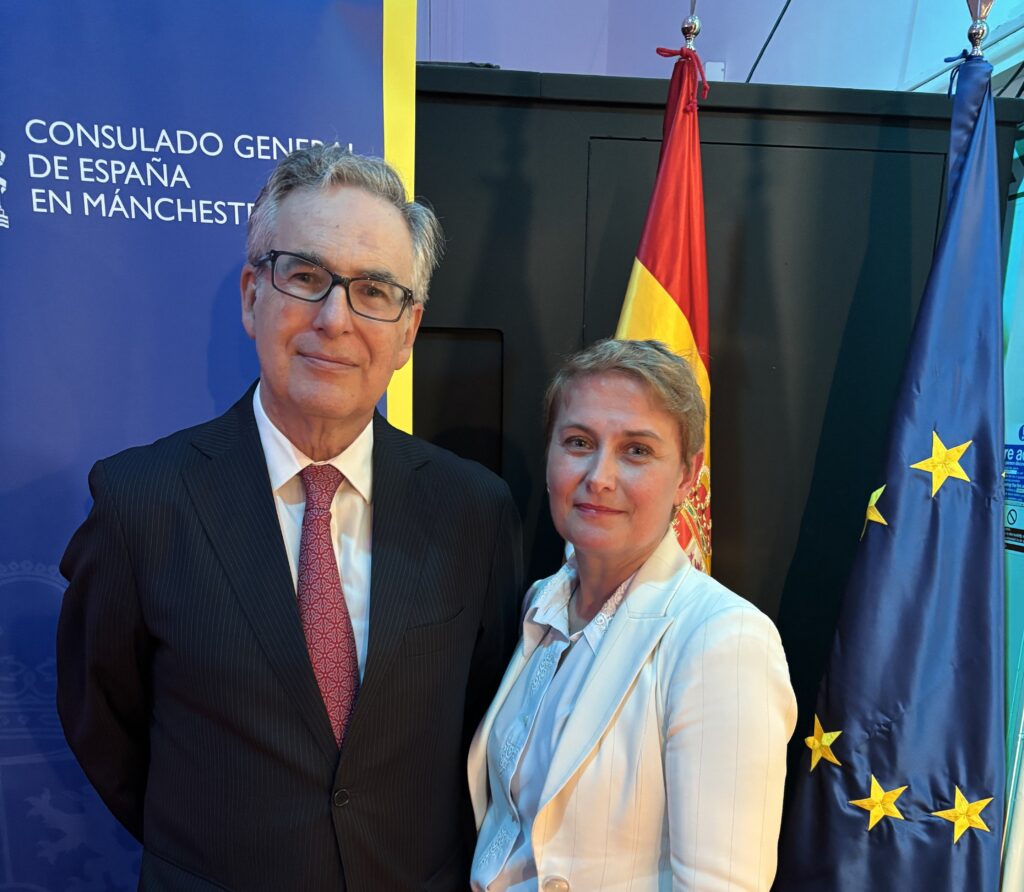
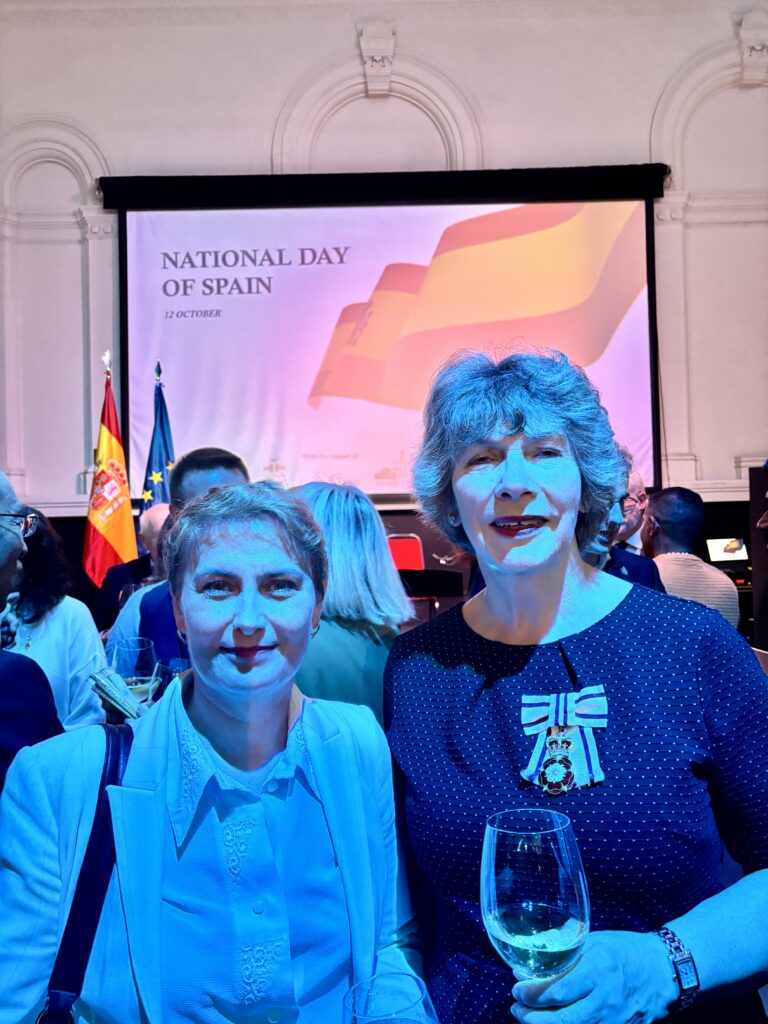
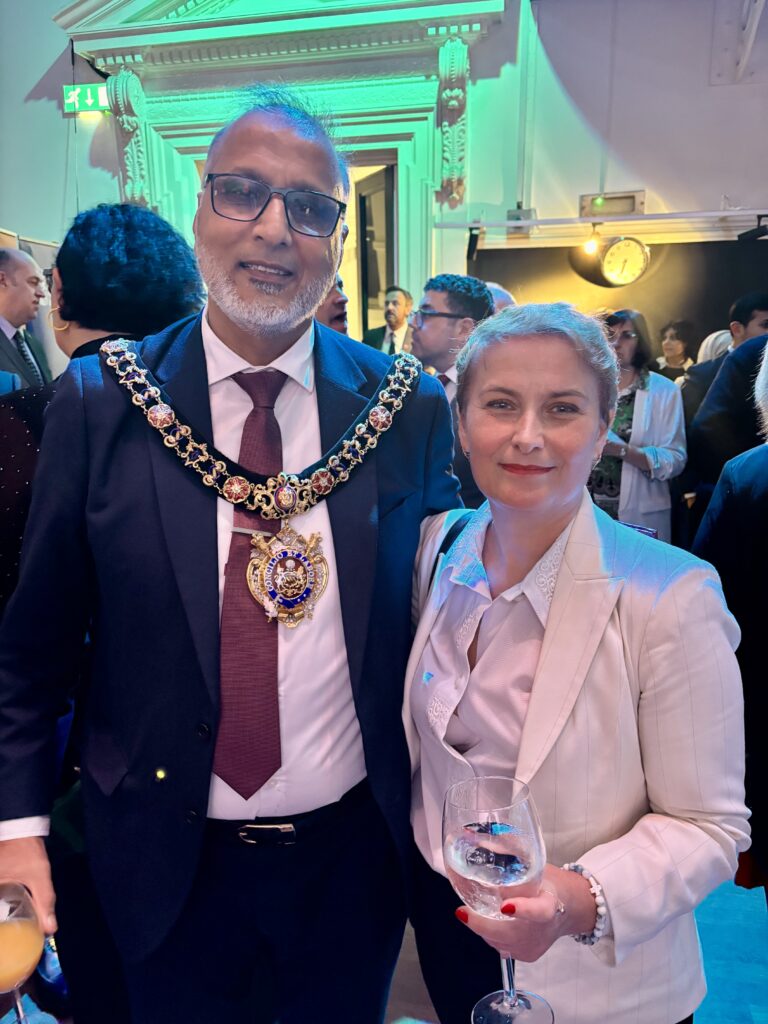
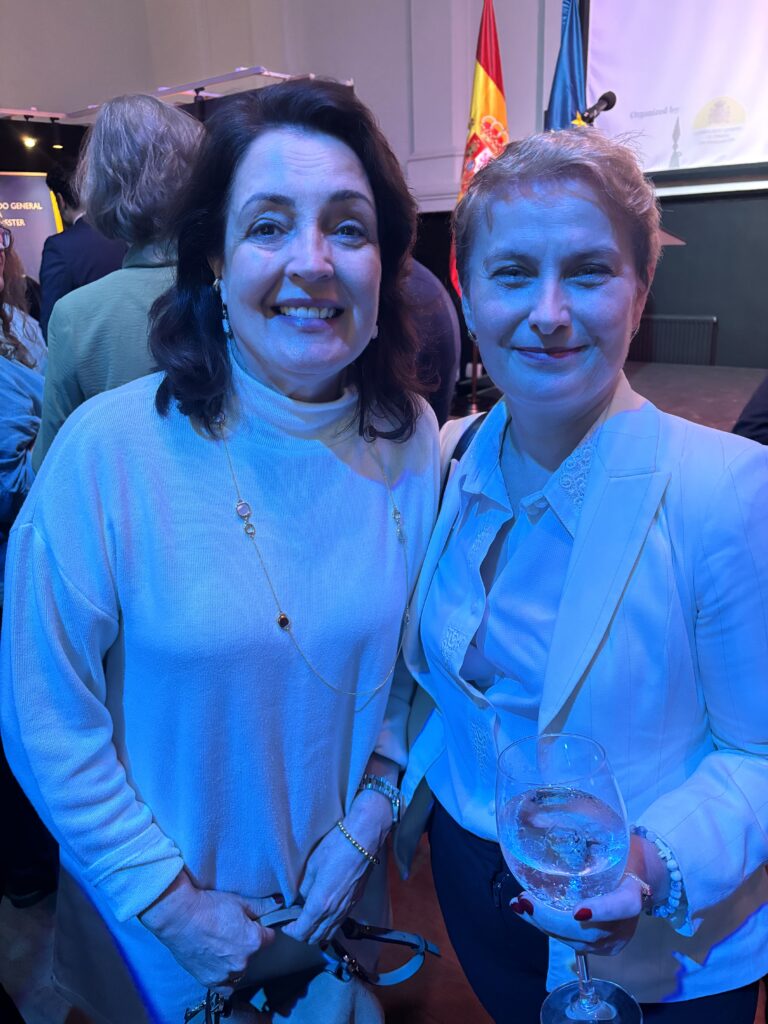
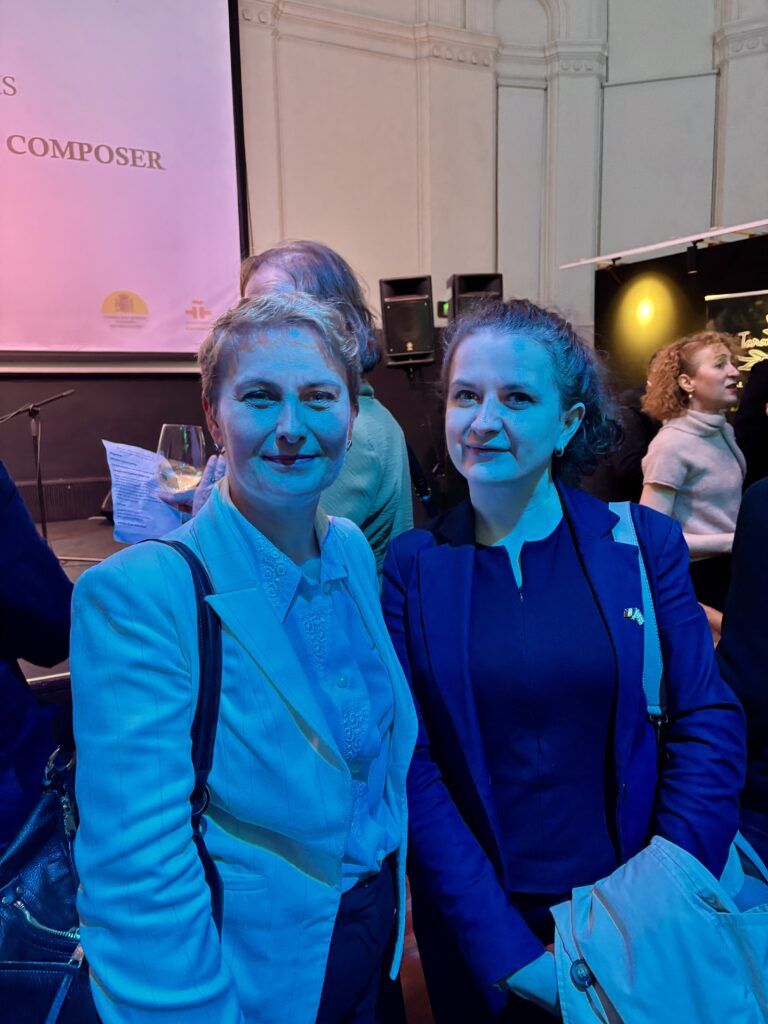
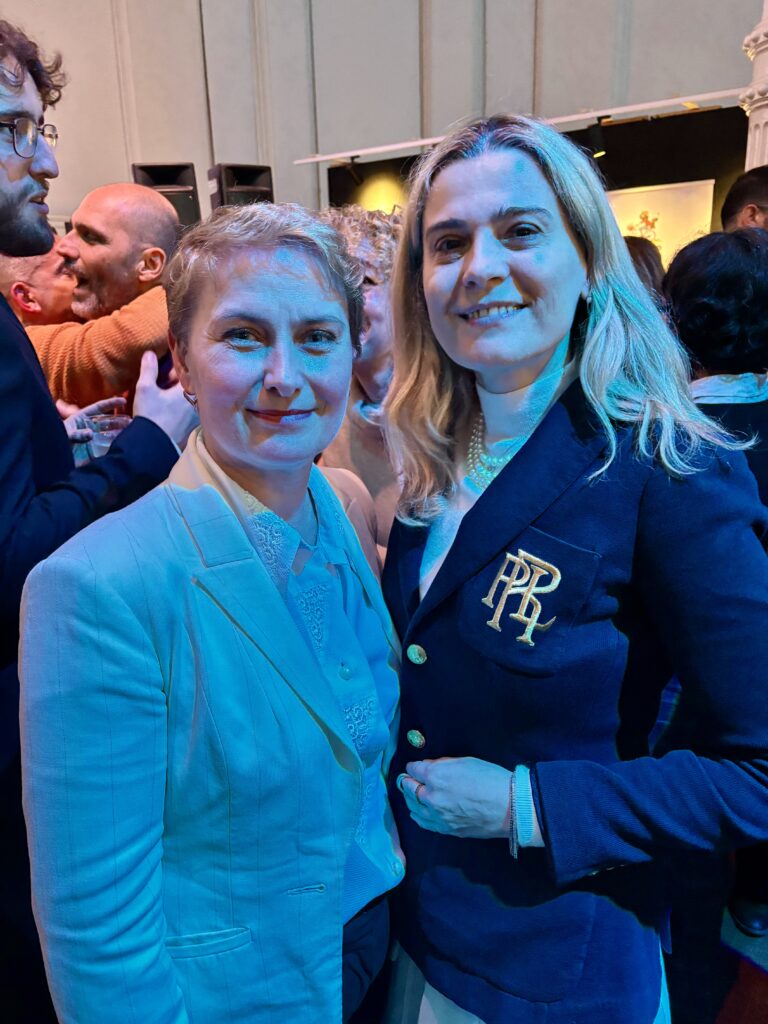
These connections strengthen Moldova’s local visibility. Moreover, they help place our country within wider discussions about Europe, international business, culture and community relations.
I extend my sincere thanks to Consul General Alejandro Polanco Mata for the invitation and his warm hospitality. The celebration reflected the value of diplomatic friendship at regional level.
Spain and Moldova share a human connection
Spain hosts a substantial Moldovan community. Moldovan associations there preserve language, culture and traditions while helping citizens become active members of Spanish society. Recent diaspora projects have continued to build cultural bridges between Moldova and Spain, including initiatives supported through Moldova’s official diaspora programmes. That community forms a valuable link between the two countries. Diaspora members understand local culture, language and business practice.
Many also maintain strong relationships with Moldova. Consequently, they can help:
- Introduce businesses and institutions
- Support cultural and educational projects
- Promote Moldovan products and tourism
- Explain local markets and consumer expectations
- Build trust between potential partners
- Encourage responsible investment
- Share professional knowledge and experience
Diaspora diplomacy cannot replace formal institutions. Nevertheless, it can help those institutions reach people, businesses and communities more effectively.
From cultural diplomacy to international trade
National Day celebrations primarily recognise identity, history and public service. Yet they can also create practical value. Business depends on relationships, credibility and cultural understanding. Diplomatic gatherings bring together people who may later identify shared interests.
For Moldova and Spain, potential areas of cooperation include:
- Agriculture, food and wine
- Tourism and hospitality
- Renewable energy
- Infrastructure and construction
- Technology and digital services
- Education and language learning
- Culture and the creative industries
- Logistics and transport
- Professional and financial services
Not every introduction will lead to a commercial agreement. Still, sustained contact can create the trust needed before organisations explore a new market.
British businesses also benefit from this wider network. A company in North West England may work with Spanish partners, employ Moldovan professionals or consider investment in Moldova.
Regional diplomacy can connect these interests. It can also introduce businesses to people who understand more than one market.
Why visibility in Manchester matters
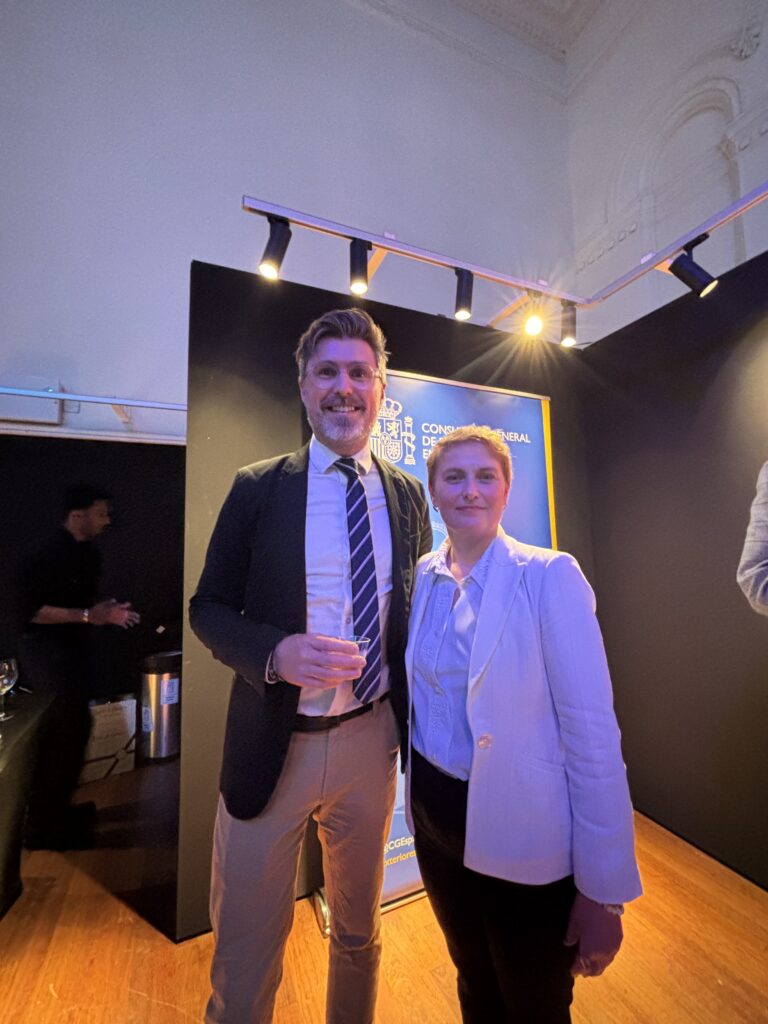
Manchester has an international identity. Its companies, universities, airports, cultural institutions and professional communities connect the region with the world. Moldova must take part in that international life.
Visible representation helps local organisations know where to begin when they want to understand the country. The Honorary Consulate can:
- Introduce Moldova to regional stakeholders
- Encourage cultural and academic partnerships
- Support dialogue about trade and investment
- Connect organisations with relevant institutions
- Promote Moldova as a destination
- Engage the diaspora in constructive initiatives
- Explain the value of stronger UK-Moldova relations
An Honorary Consulate does not replace an embassy, trade agency or professional adviser. Instead, it serves as an accessible regional bridge. That bridge can help a first conversation reach the correct institution or potential partner.
Local participation also strengthens Moldova’s reputation. When the country appears consistently within civic and diplomatic settings, it becomes more familiar. Familiarity supports confidence. In turn, confidence makes serious engagement more likely.
Supporting EU accession through relationships
European accession requires laws, reforms and institutional capacity. It also requires Moldova to understand how EU member states work in practice. Relationships with Spanish representatives can support exchanges in culture, education, business and public administration. Likewise, Spanish institutions and companies can learn more about Moldova’s changing economy.
Recent accession talks now cover areas that directly affect investors, including financial services, company law, competition, taxation, digital transformation and customs. For international businesses, this creates a reason to follow Moldova closely.
Alignment will take time, and companies must assess risks carefully. Even so, early engagement can help investors understand reforms, build relationships and identify credible opportunities.
Cultural diplomacy supports this process because it gives policy a human foundation. Rules may open a market. Relationships help people enter it with greater understanding.
From attendance to action
Representation must lead to participation. Local authorities, universities, businesses and cultural organisations can help increase Moldova’s visibility by:
- Inviting the Honorary Consulate to relevant events
- Including Moldova in international programmes
- Proposing Spanish-Moldovan or wider European partnerships
- Exploring trade, investment and academic cooperation
- Supporting diaspora-led initiatives
- Sharing accurate information about Moldova
- Following and promoting the Honorary Consulate’s work
This article continues my Building Bridges thought leadership series on economic, investment and cultural diplomacy. Each article advances one central principle.
Diplomacy creates its greatest value when people turn relationships into practical cooperation. The Manchester celebration of Spain’s National Day offered an important opportunity to honour a European partner. It also allowed Moldova to remain present within the region’s diplomatic community at a significant moment in its accession journey.
Our European future will depend on reform, resilience and national effort. Equally, it will benefit from friendships built across EU member states and within international cities such as Manchester. Moldova must remain visible, credible and ready to participate. The Honorary Consulate of the Republic of Moldova in Manchester will continue to support that work throughout North West England.
To invite the Honorary Consulate to a civic, diplomatic, business or academic event, propose a partnership, or discuss trade and investment opportunities, contact me at RM.Honorary.Consul@gmail.com.
Readers can follow my work through:
- Newsletter: https://dina-railean.com/newsletter/
- LinkedIn: https://www.linkedin.com/in/dinarailean/
- Facebook: https://www.facebook.com/elsltduk/
- TikTok: https://www.tiktok.com/@dina.railean5
This article forms part of my Building Bridges series on economic, investment and cultural diplomacy:
Express Language Solutions Ltd and Moldovan Diaspora Business Alliance Ltd sponsored this article.
I thank ELS and MDBA for their continued support for Moldova’s international visibility, cultural diplomacy and economic engagement.
Businesses, universities and professional organisations interested in sponsoring future thought leadership articles or related initiatives may contact me privately at RM.Honorary.Consul@gmail.com.
About the Author
Dina Railean is the Chief Executive Officer of Express Language Solutions Ltd, Salford President of the Greater Manchester Chamber of Commerce, Honorary Consul of the Republic of Moldova in Manchester, Chair and Chief Executive Officer of the Moldovan Diaspora Business Alliance, and a Council Member of The Insurance Institute of Manchester.
Through her work across business, diplomacy and professional leadership, she writes about international trade, foreign direct investment, cross-cultural communication, leadership and the strategies that help organisations build trust and succeed across borders.