What Hungary’s 1956 Revolution Means for Moldova
Freedom can feel permanent until someone who lost it describes the cost.
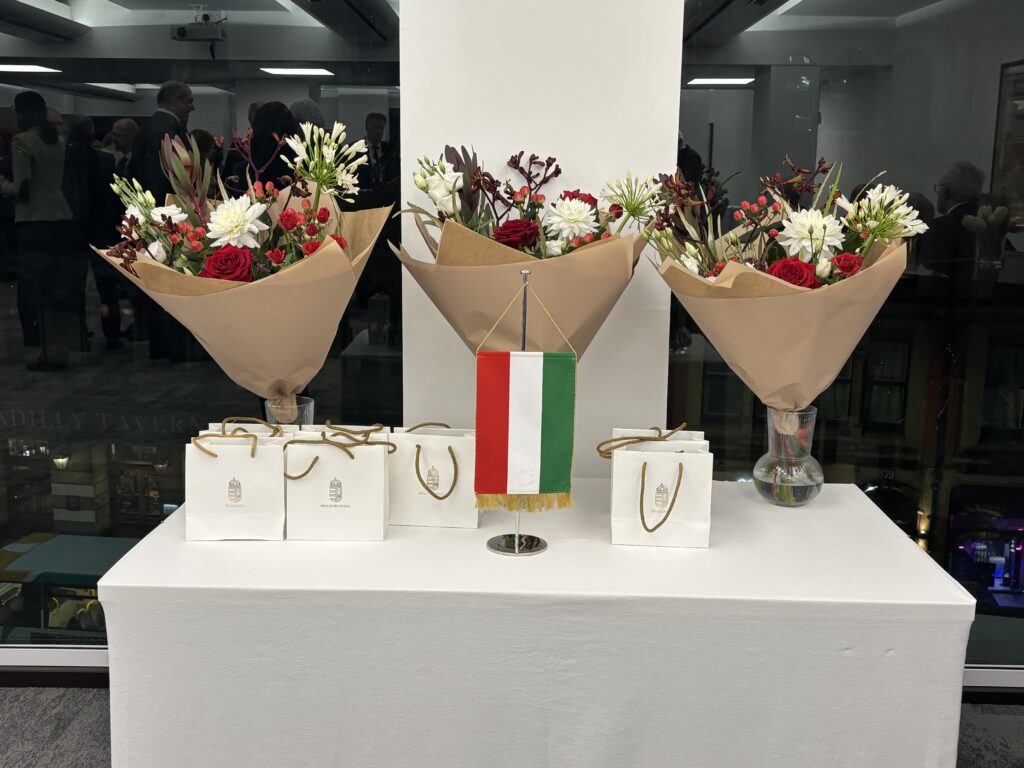
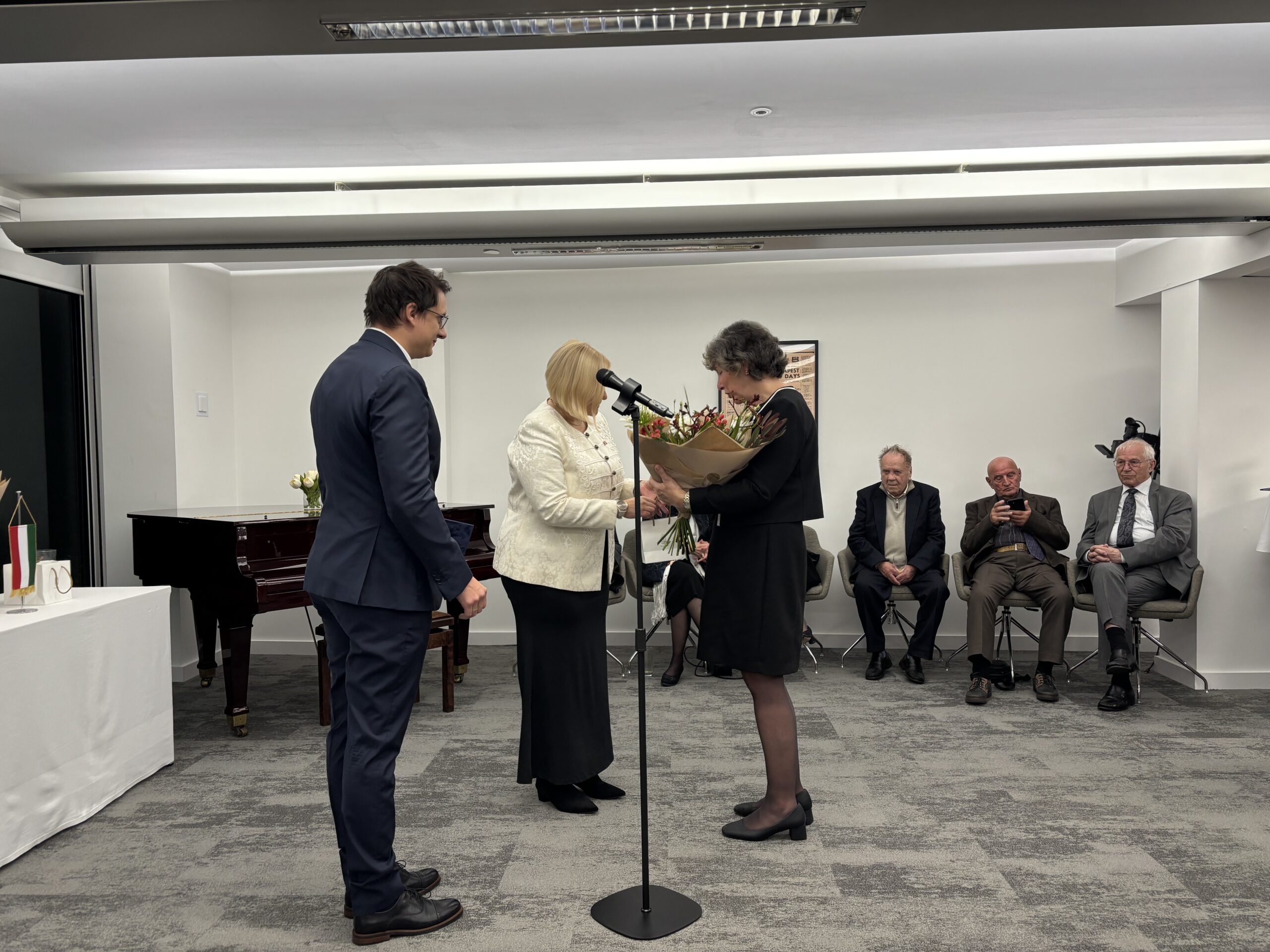
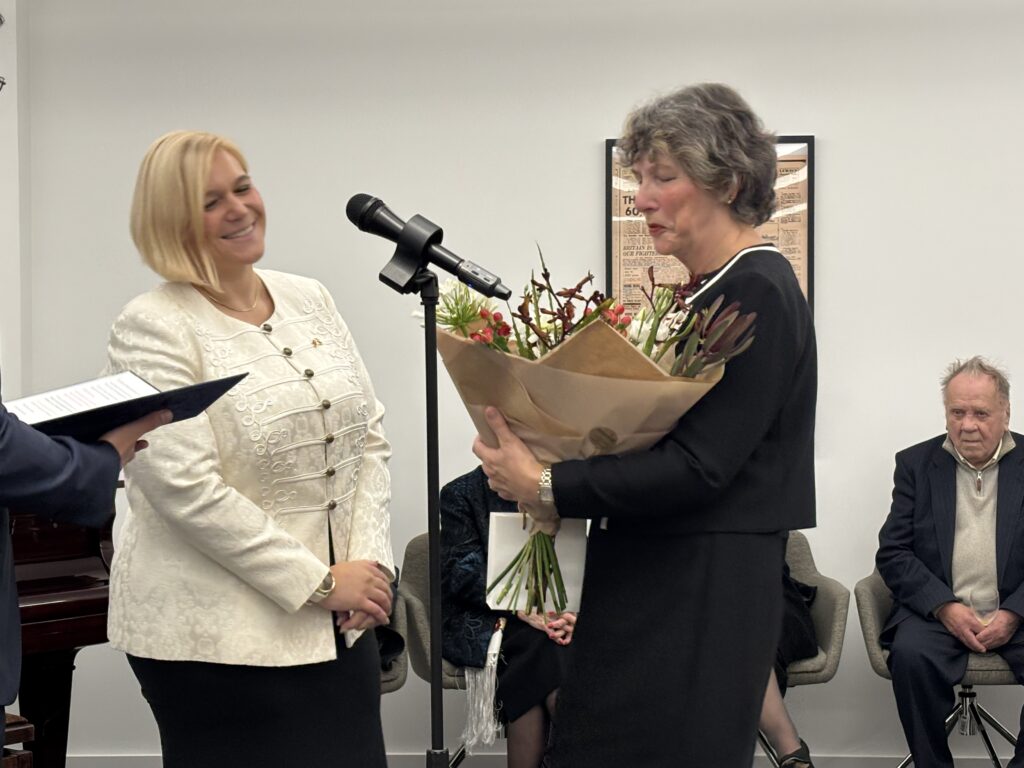
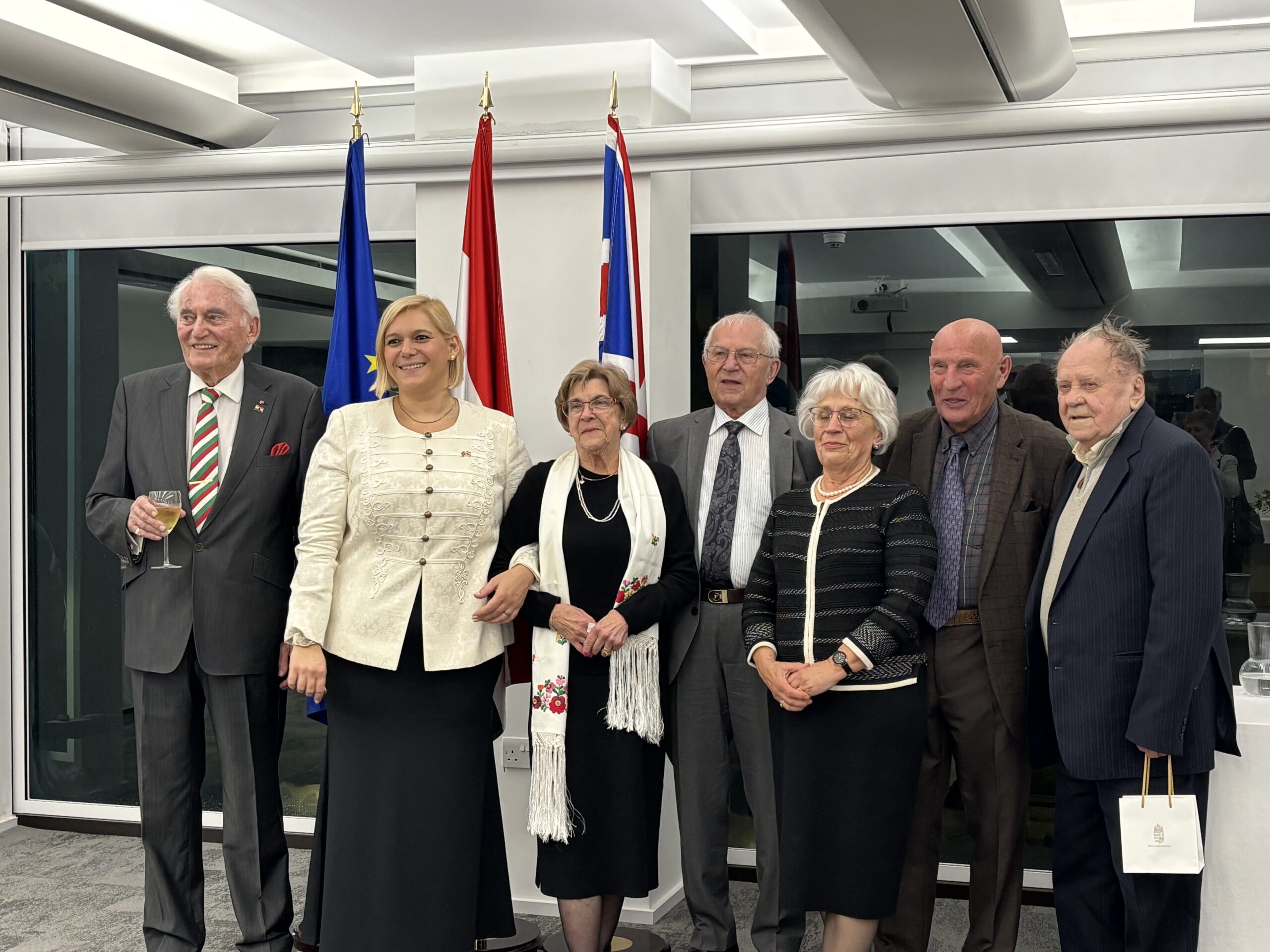
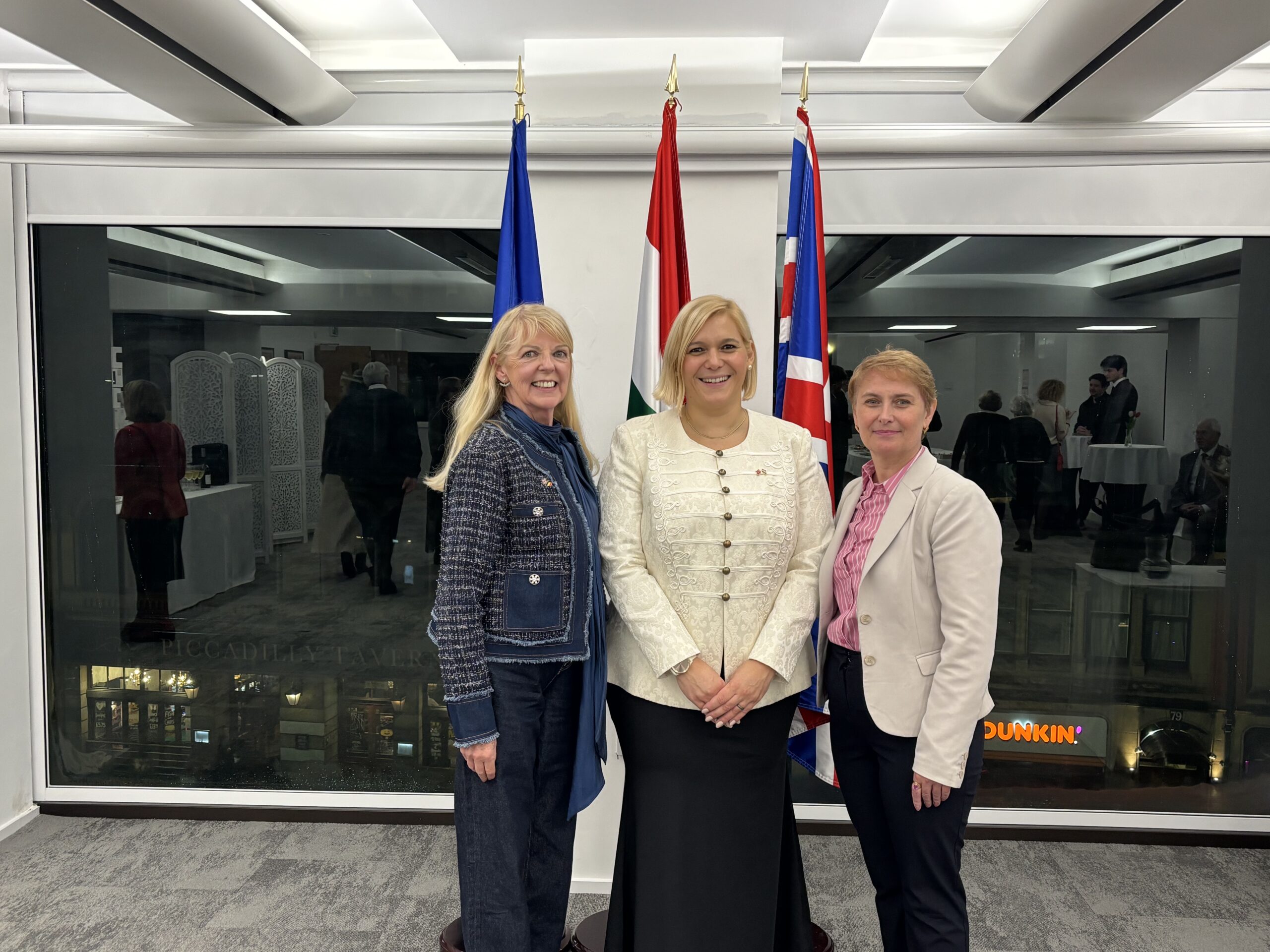
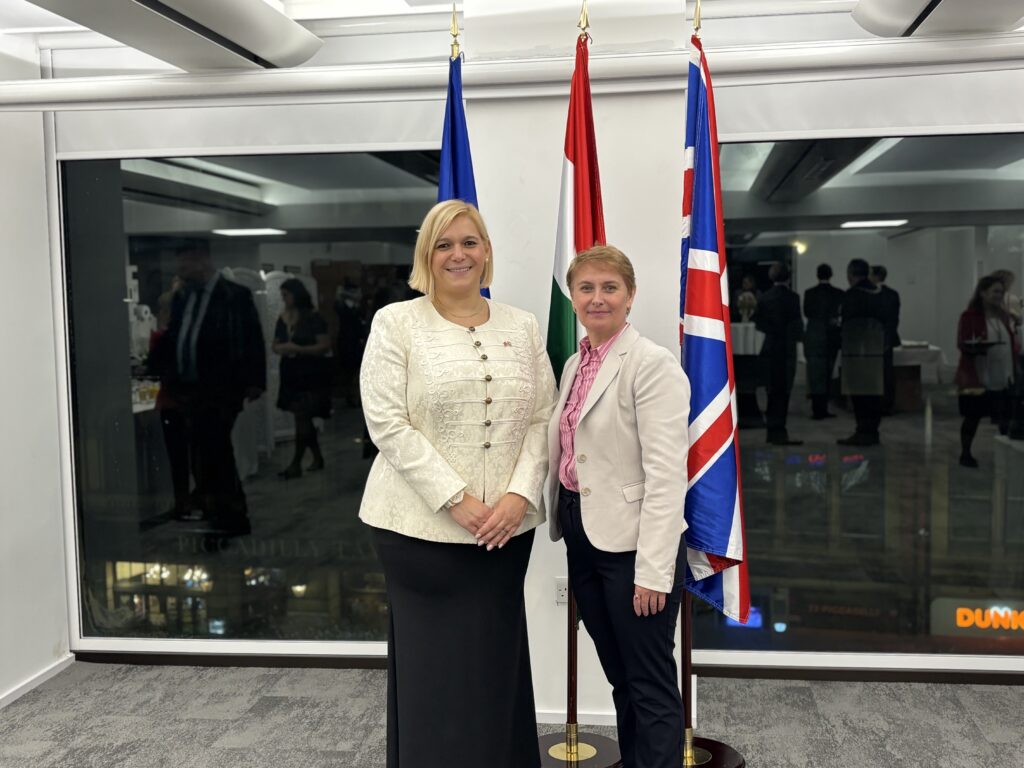
On 21 October 2026, I represented the Republic of Moldova at Manchester’s official commemoration of Hungary’s National Day and the 70th anniversary of the 1956 Hungarian Revolution.
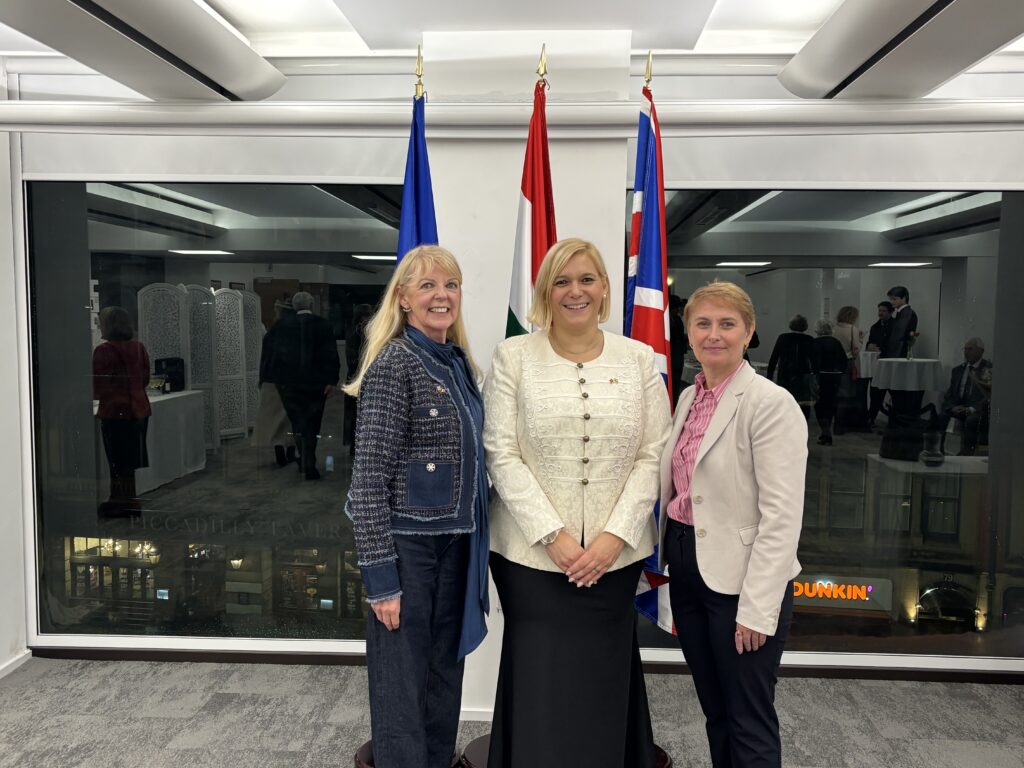
Judit Várhelyi, Consul General of Hungary in Manchester, hosted the reception at the Consulate General of Hungary.
I extend my sincere thanks to her for the invitation and for bringing Manchester’s diplomatic, civic and business communities together for such an important occasion.
Her address celebrated the friendship between Hungary and the United Kingdom.
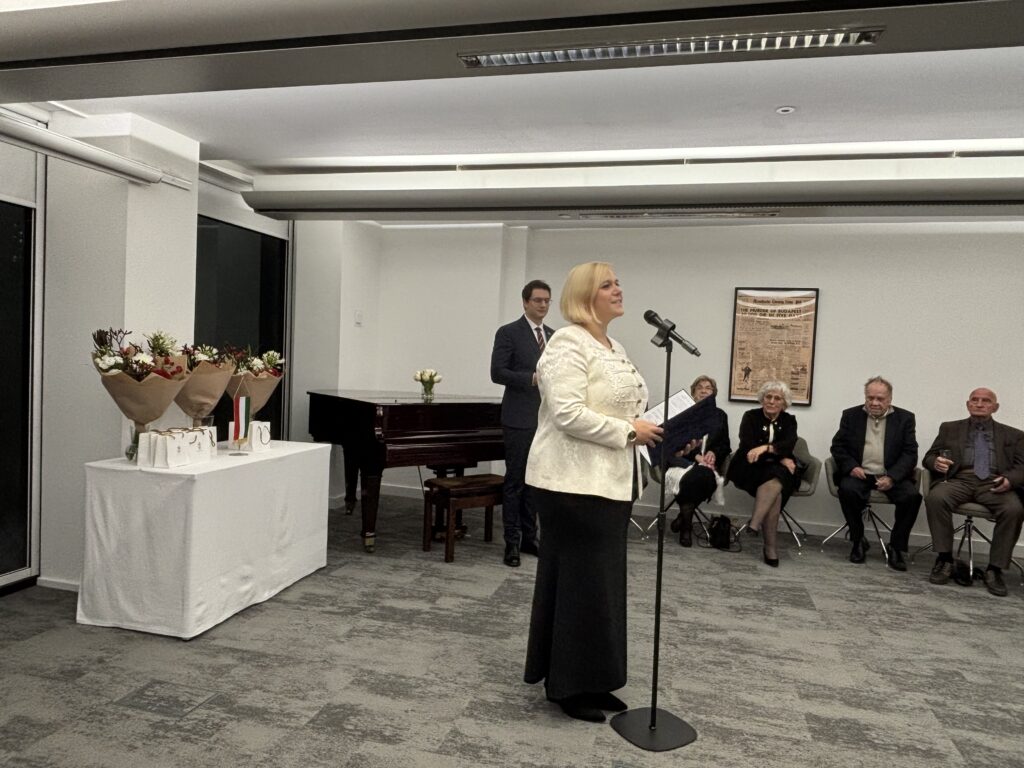
Consul General Várhelyi also thanked Britain for offering refuge to Hungarians forced to leave their country after the Revolution.
That act of solidarity remains relevant today.
It reminds us that European cooperation begins with people, values and the courage to stand with those whose freedom faces a threat.
A witness brings history into the room
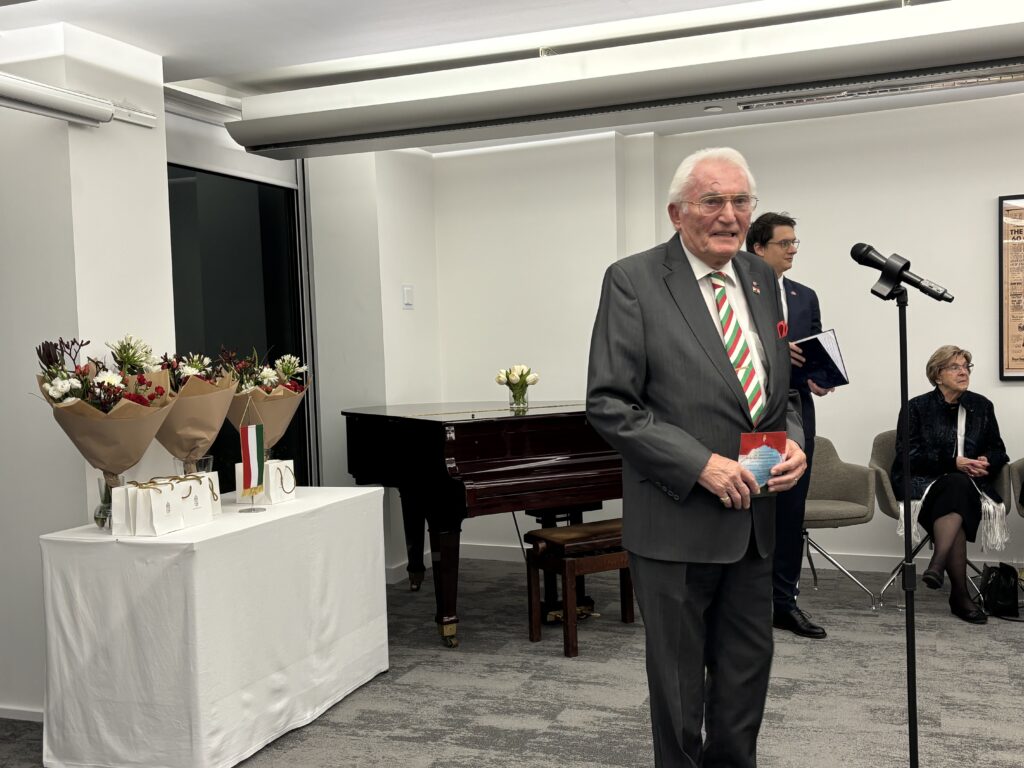
Dr Andrew V Zsigmond, former Honorary Consul of Hungary in Liverpool, spoke as a witness to the Revolution.
He recalled the harrowing experiences that he and fellow participants endured before they had to flee Hungary.
His testimony transformed history into lived experience.
The Revolution did not represent an abstract political dispute for those who faced violence, fear and displacement.
It changed families, careers and entire lives.
Britain initially authorised the admission of 2,500 Hungarian refugees in November 1956. Ultimately, a far greater number came to the United Kingdom.
Many rebuilt their lives and contributed to British society.
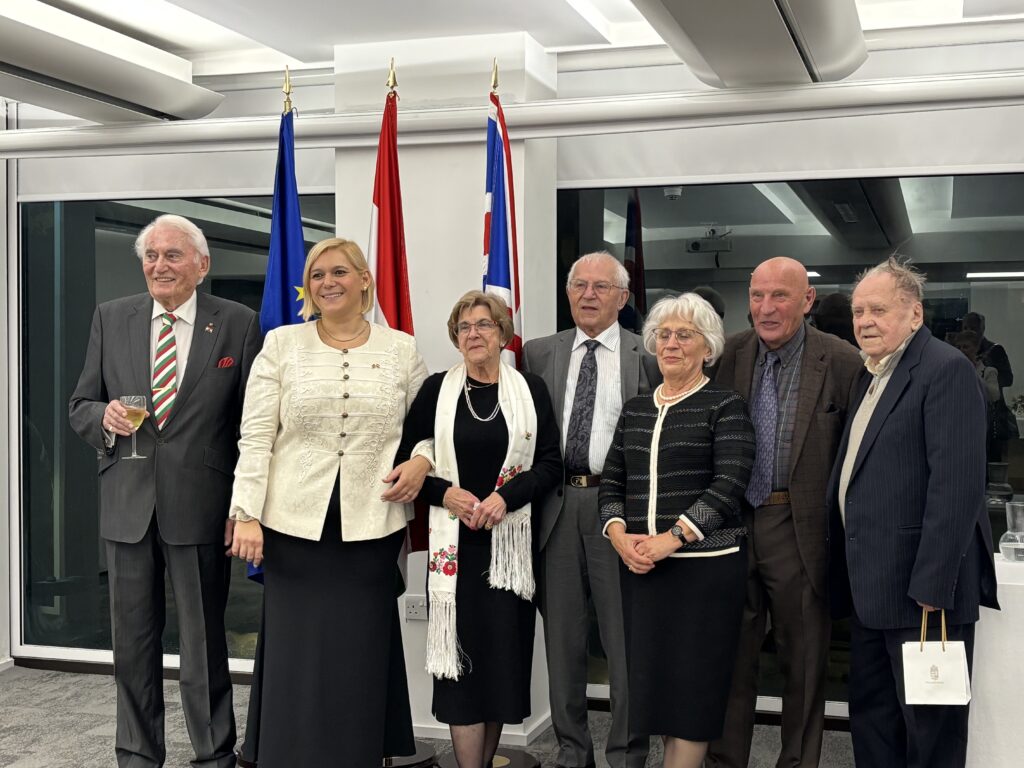
Their experience shows that refugees should not be defined only by what they escaped.
They should also be recognised for what they later created, shared and achieved.
Freedom and European belonging
Hungary joined the European Union in 2004. Moldova now follows its own path towards EU membership. The circumstances differ, and history never repeats itself in exactly the same form. However, both national stories demonstrate why sovereignty, democratic institutions and European belonging matter.
Moldova applied for EU membership in March 2022. The EU granted candidate status in June that year and formally opened accession negotiations in June 2024. By October 2026, negotiations had advanced to include the internal market, competitiveness and inclusive growth. These subjects affect everyday economic life.
They cover areas such as:
- Movement of goods, services, workers and capital
- Competition and company law
- Financial services and consumer protection
- Taxation and customs
- Digital transformation
- Enterprise and industrial policy
- Education and research
- Employment and social policy
Therefore, accession involves more than political declarations.
Moldova must align its rules, strengthen its institutions and prove that European standards work in practice. EU membership cannot replace national responsibility. Rather, the accession process should help Moldova build stronger systems for its citizens, businesses and future investors.
Diplomacy and business belong in the same room
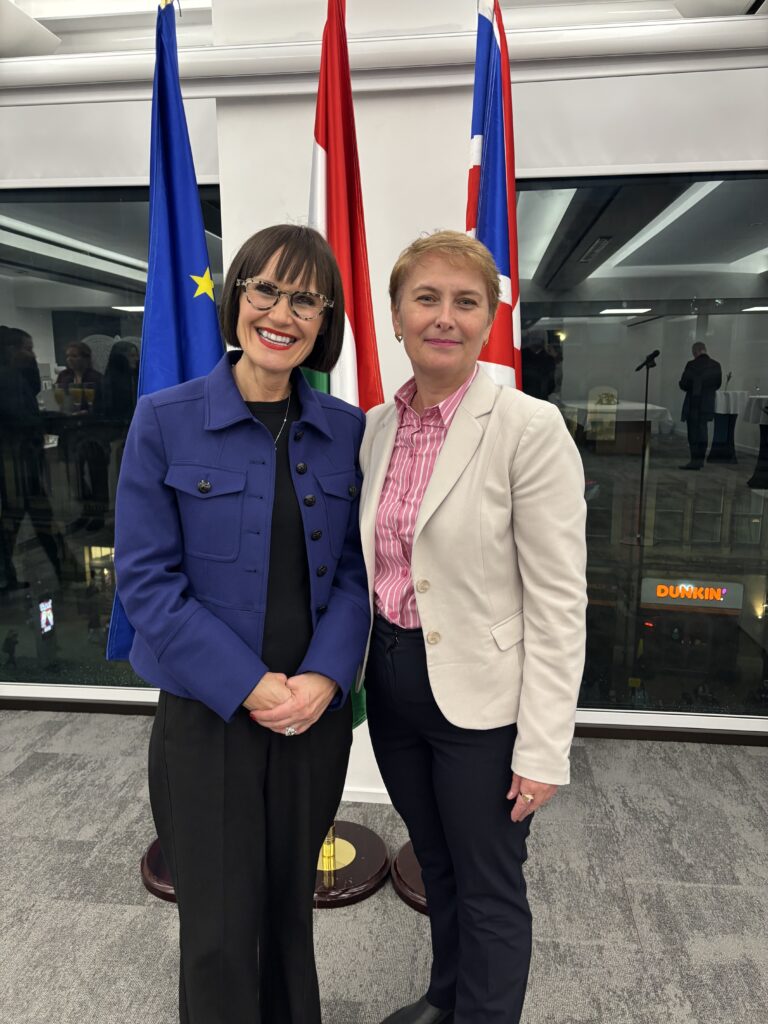
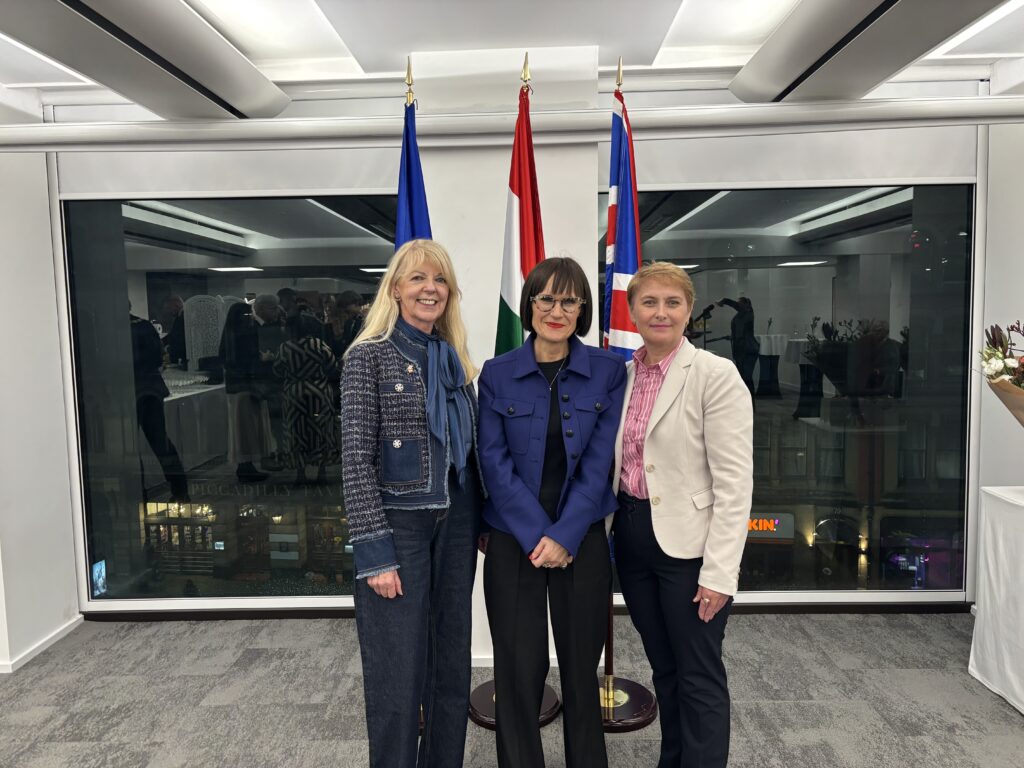
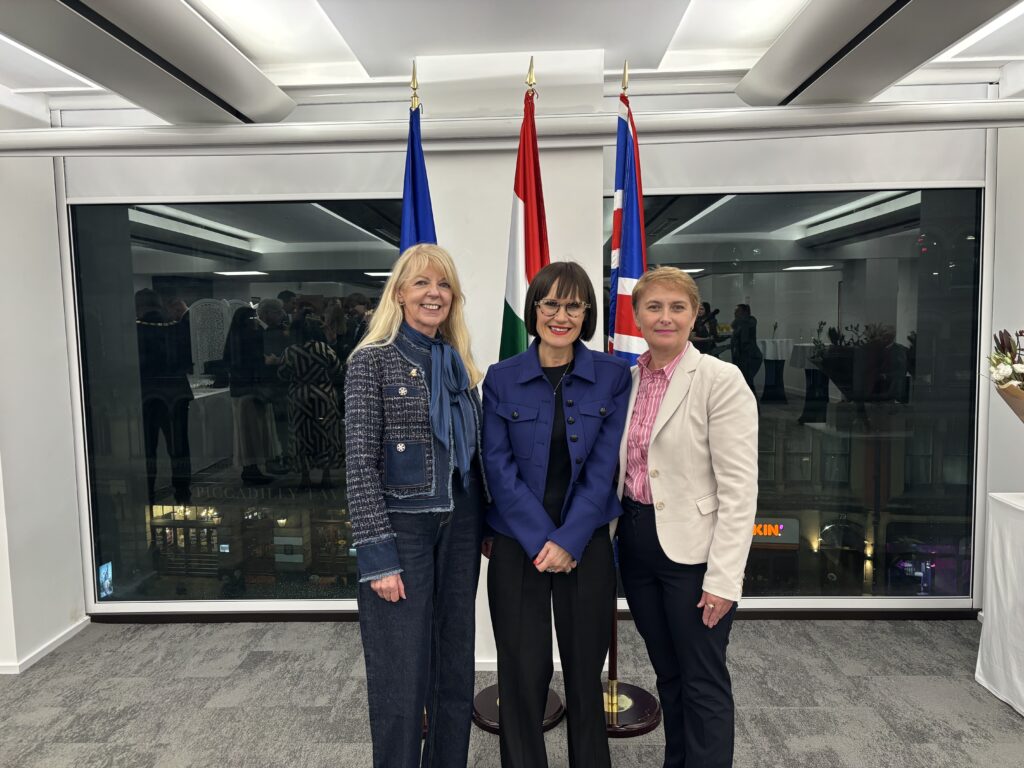
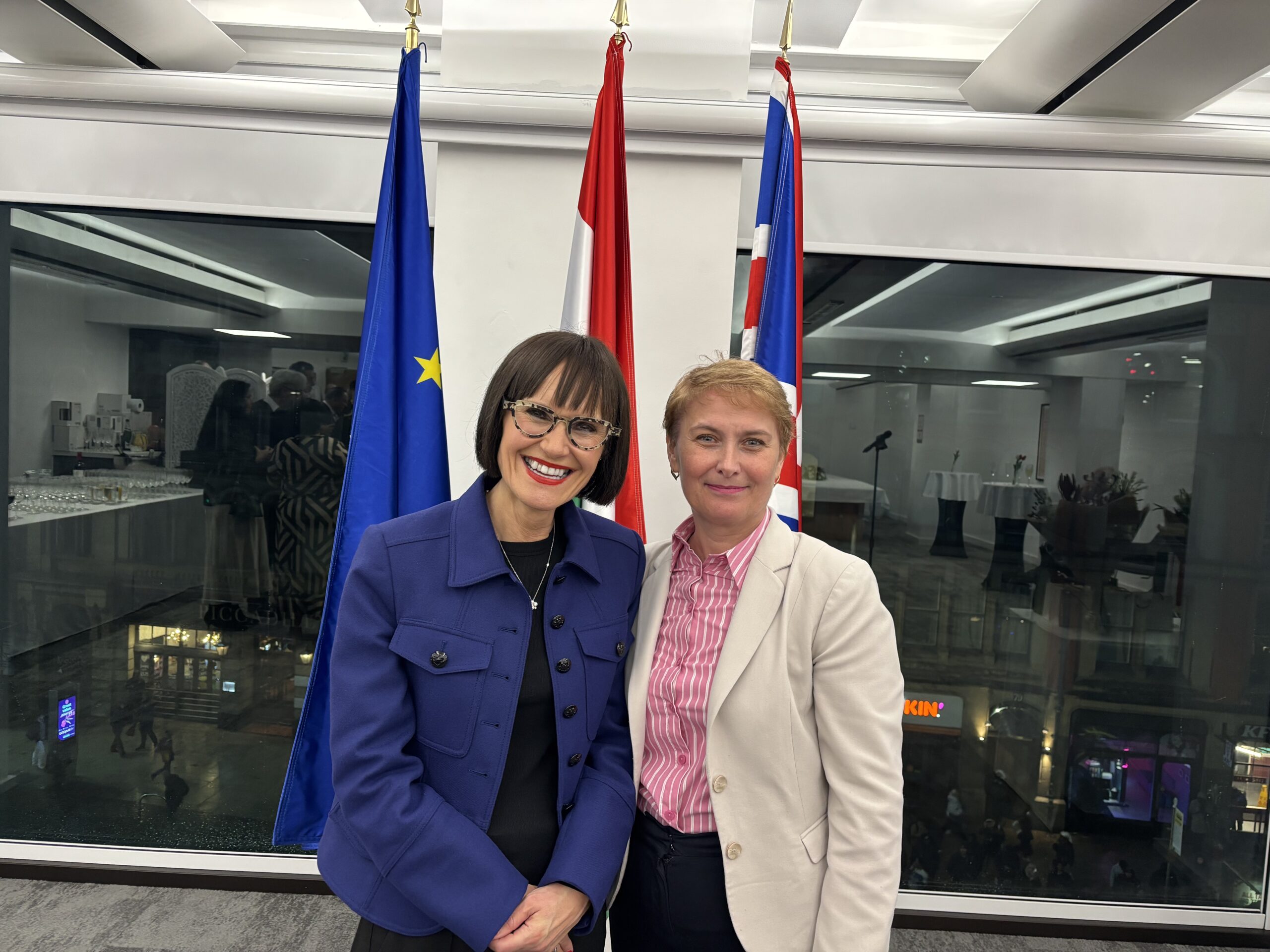
I attended the commemoration with Emma Holt, Chief Executive Officer of Greater Manchester Chamber of Commerce. Her presence carried practical significance. Diplomatic relationships should not remain separate from the business community.
Consuls understand countries, institutions and international networks. Chambers understand companies, regional strengths and commercial barriers. When both communities work together, they can create better routes for:
- Market intelligence
- Trusted introductions
- Trade missions
- Investment discussions
- Academic partnerships
- Cultural exchange
- International connectivity
- Export support
As Salford President of Greater Manchester Chamber of Commerce and Honorary Consul of Moldova in Manchester, I have a particular opportunity to build bridges between the Chamber and the Manchester Consular Association.
These bridges can help Greater Manchester businesses explore international markets. Likewise, they can give overseas companies a clearer route into one of Britain’s most important regional economies.
Regional relationships create national value
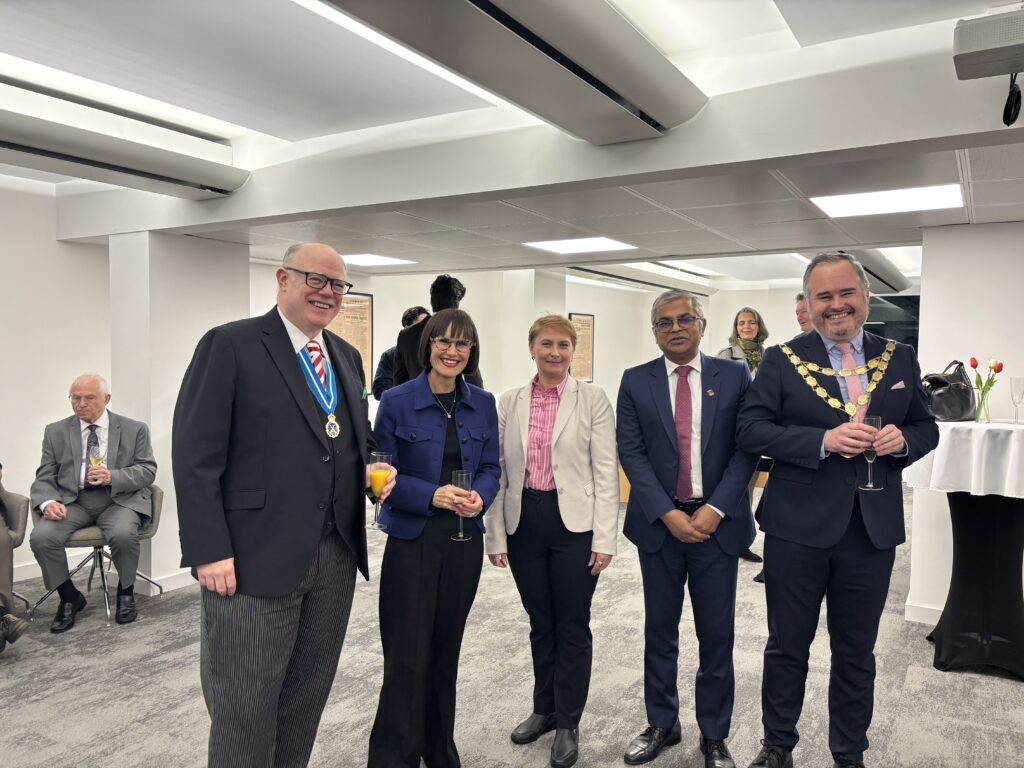
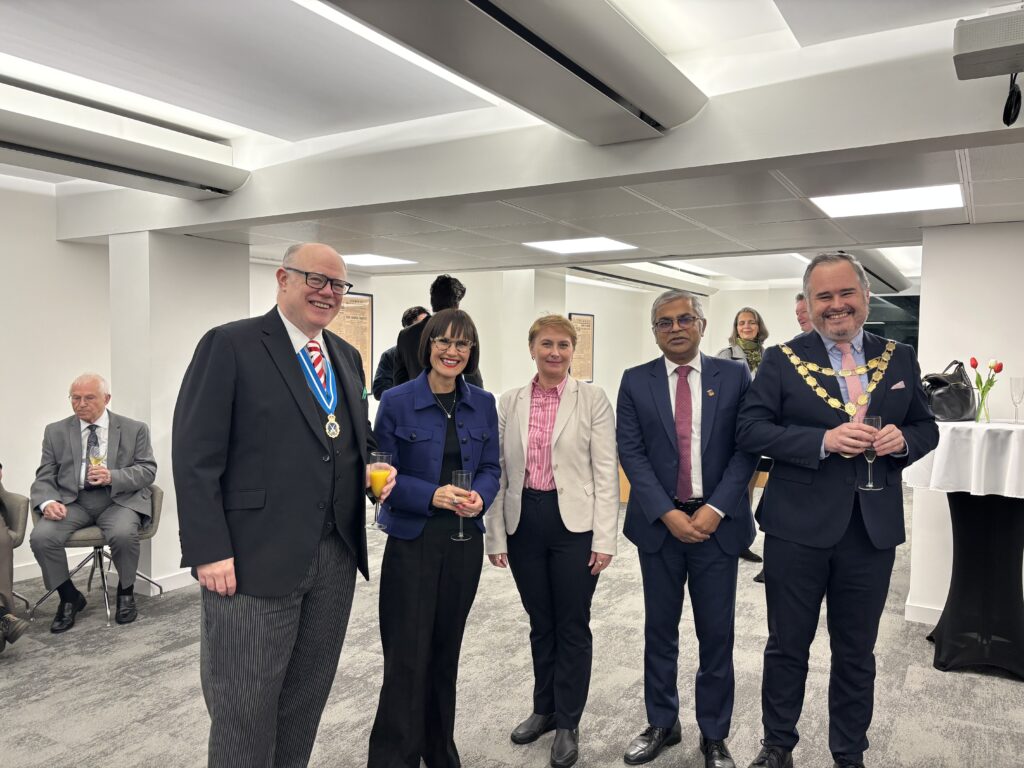
The event brought together senior civic and diplomatic representatives.
Guests included:
- Diane Hawkins JP LLB, Lord-Lieutenant of Greater Manchester
- Mark Llewellin DL, High Sheriff of Greater Manchester
- Councillor Shaukat Ali, Lord Mayor of Manchester
- Members of the Manchester Consular Association
I also introduced Emma Holt to:
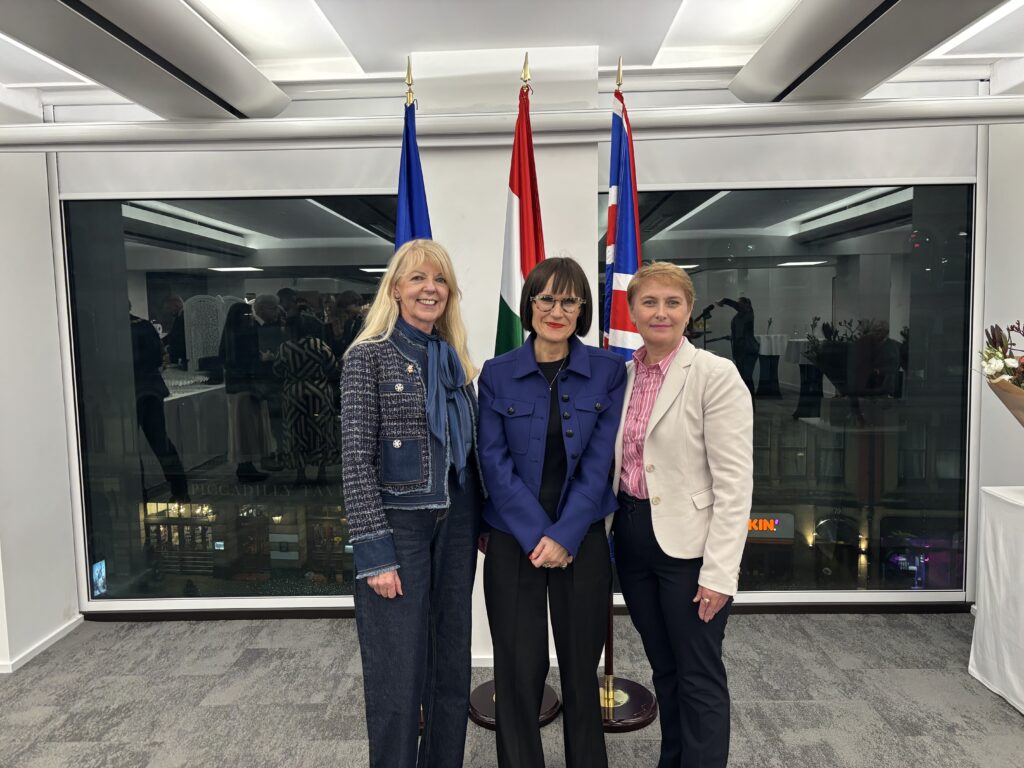
- Judit Várhelyi, Consul General of Hungary
- Lorraine Worsley-Carter MBE, Honorary Consul of Belgium
- Mrs Vishakha Yaduvanshi, Consul General of India
- Other members of Manchester’s diplomatic community
An introduction does not automatically create a commercial project. Nevertheless, it can begin a relationship that later supports collaboration.
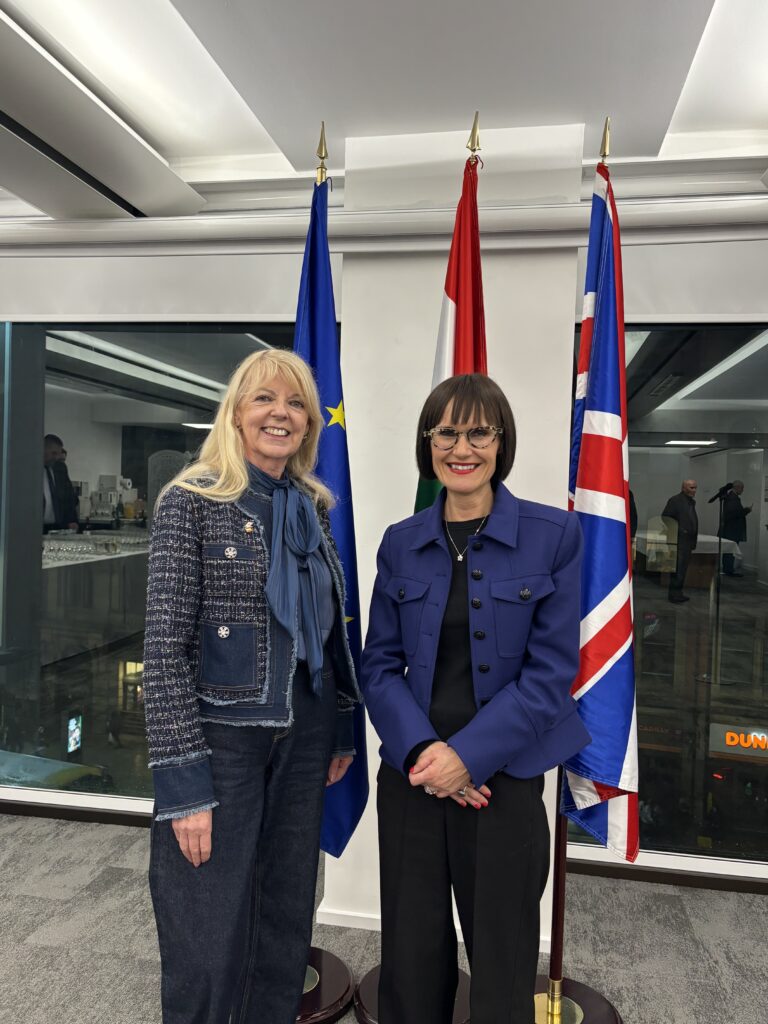
Regional diplomatic events also allow leaders to understand each other’s priorities before a formal opportunity arises. That familiarity reduces distance between institutions. Furthermore, regular contact helps countries remain visible in crowded international markets.
Hungary and Moldova already have economic links
Hungary and Moldova do not begin from zero.
The Hungarian-Moldovan Joint Intergovernmental Economic Cooperation Committee provides an official framework for economic collaboration. Hungarian government information also identifies Moldova as an important and reliable business hub for Hungarian companies.
Existing trade includes pharmaceuticals, electrical equipment, food products, furniture, beverages, clothing, automotive parts and processed agricultural goods. Hungary’s largest investor in Moldova is OTP Bank.
These links point towards wider opportunities in:
- Technology and advanced manufacturing
- Agriculture and food processing
- Energy and infrastructure
- Banking and professional services
- Automotive supply chains
- Tourism and hospitality
- Education and research
- Aviation and logistics
British companies can participate in this wider network. A Greater Manchester business may work with Hungarian suppliers, seek Moldovan partners or require regional advisers. Consequently, effective diplomacy should connect more than two markets. It should create informed routes between several countries and sectors.
What this means for investors
Moldova’s EU accession process creates both opportunity and responsibility. Regulatory alignment may improve transparency, standards and investor confidence over time. Still, companies must complete proper due diligence.
Early engagement allows businesses to:
- Monitor reforms
- Assess market demand
- Understand regulatory change
- Identify credible partners
- Test routes to market
- Build cultural knowledge
- Prepare suitable investment structures
- Develop relationships before competition increases
The Honorary Consulate can provide general guidance and signposting. However, it cannot replace legal, financial, tax or investment advisers. Sound market entry requires professional analysis alongside diplomatic and commercial relationships.
Universities, airports and logistics companies
Academic institutions can support Moldova’s European integration through research, student exchange and knowledge transfer. Greater Manchester universities possess expertise in technology, law, finance, engineering, healthcare and sustainability. Hungarian and Moldovan universities bring additional regional knowledge. Together, they could develop projects that connect research with real economic needs.
Airports also form part of economic diplomacy. Direct and convenient routes support:
- Business travel
- Tourism
- Student mobility
- Diaspora connections
- Trade missions
- Cultural programmes
- Time-sensitive goods
Meanwhile, logistics companies can examine corridors linking Moldova with Romania, Hungary, the wider EU and Ukraine.
Transport links do not succeed through goodwill alone. Passenger demand, commercial viability and reliable infrastructure must support them.
Even so, diplomatic and business networks can help identify and communicate that demand.
Preparing responsibly for Ukraine’s reconstruction
The lessons of 1956 also remind us that conflict creates long-term human and economic consequences. Ukraine’s eventual reconstruction will require international cooperation across infrastructure, housing, energy, healthcare, technology and professional services.
British, Hungarian and Moldovan businesses should assess whether Moldova could support future regional partnerships, expertise and operations. Possible preparation may include:
- Developing regional knowledge
- Identifying responsible local partners
- Understanding transport corridors
- Recruiting language and cultural expertise
- Monitoring procurement systems
- Strengthening compliance procedures
- Establishing a proportionate office presence
A Moldovan presence would not guarantee access to Ukrainian contracts. Companies will still need relevant experience, competitive proposals and full compliance with procurement rules. Therefore, early engagement should support responsible preparation rather than speculation.
Representation must create participation
The Honorary Consulate of the Republic of Moldova in Manchester gives Moldova a regional voice across North West England. Visible participation matters because local authorities, businesses, universities and diplomatic representatives need to know where to begin when they want to engage with Moldova.
Readers can support this work by:
- Inviting the Honorary Consulate to relevant events
- Requesting updates about Moldovan business opportunities
- Proposing UK-Moldova-Hungary partnerships
- Registering interest in future business missions
- Including Moldova in academic and cultural programmes
- Sharing accurate information about the country
This article continues my Building Bridges thought leadership series on cultural, economic and investment diplomacy.
The Hungarian commemoration showed why this work matters.
History gave the event its moral weight.
Diplomatic relationships gave it present-day relevance.
Business and academic participation can give those relationships a practical future.
Moldova’s European journey will require reform, resilience and credible institutions.
Equally, it will benefit from friendships with countries that understand the value of freedom and European belonging.
To invite the Honorary Consulate to an event, propose a partnership, receive business updates or register interest in a future mission, contact RM.Honorary.Consul@gmail.com.
Follow my work through:
- Newsletter: https://dina-railean.com/newsletter/
- LinkedIn: https://www.linkedin.com/in/dinarailean/
- Facebook: https://www.facebook.com/elsltduk/
- TikTok: https://www.tiktok.com/@dina.railean5
Read the Building Bridges series:
Express Language Solutions Ltd and Moldovan Diaspora Business Alliance Ltd sponsored this article.
I thank ELS and MDBA for their continued support for Moldova’s international visibility, cultural diplomacy and economic engagement.
Businesses, universities and professional organisations interested in sponsoring future articles or related initiatives may contact me privately at RM.Honorary.Consul@gmail.com.
About the Author
Dina Railean is the Chief Executive Officer of Express Language Solutions Ltd, Salford President of the Greater Manchester Chamber of Commerce, Honorary Consul of the Republic of Moldova in Manchester, Chair and Chief Executive Officer of the Moldovan Diaspora Business Alliance, and a Council Member of The Insurance Institute of Manchester.
Through her work across business, diplomacy and professional leadership, she writes about international trade, foreign direct investment, cross-cultural communication, leadership and the strategies that help organisations build trust and succeed across borders.